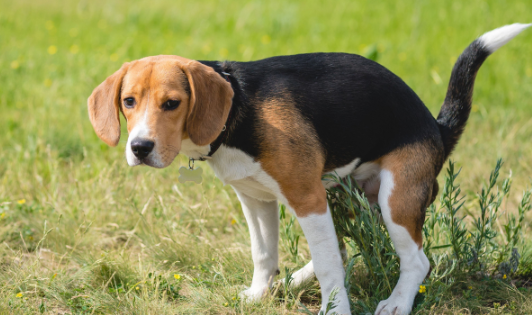
Across the state, more than half of all residents own a pet, including nearly 40% of families that share their homes with a dog. Locally, that creates about 125 tons of pet waste every day, according to the Tampa Bay Estuary Program.
Nationally, only about 60% of pet waste is picked up, resulting in an estimated 50 tons left on the ground to wash into nearby surface waters or contaminate soil. It’s such a problem that the Environmental Protection Agency classifies it as a leading source of nutrient and bacteria pollution in urban waterways.
A St. Petersburg program – PUP (Pick Up Poop) Champions –encourages pet owners to pick up after their pets. “Besides being unpleasant to encounter, dog waste that isn’t picked up can make its way to local waterways, posing a threat to public health and water quality,” said Jennifer Joern, a neighborhood specialist with the City of St. Petersburg.
With funding from a Florida Department of Transportation grant focused on stormwater education, the City was able to attend events targeting homeowners and neighborhood associations, as well as schools and events like the Green Thumb Festival, Hurricane Preparedness Day, and Saturday Shoppes Pets Day Out.
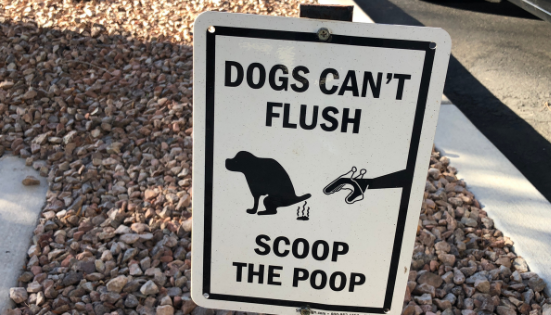
Both St. Petersburg and Pinellas County have ordinances that require people to clean up behind their pets on any land they don’t own, including public rights-of-way like sidewalks and parks. Failing to clean up poop could result in fines, Joern adds. “That information is posted in parks and on pet waste stations in St. Pete, but some people still don’t clean it up,” she said. “Most people know it’s unpleasant, but they don’t necessarily recognize its impact on water quality.”
- Dog poop is highly concentrated raw sewage that contains nutrients that fuel harmful algal blooms like red tide.
- A single gram contains an average of 23 million fecal coliform bacteria, such as E. coli, putting humans at risk of severe gastrointestinal illnesses, cramps, and fever.
- Nutrients from dog poop do not naturally fertilize the ground. Manure-based fertilizers come from herbivores, not carnivores.
- Pathogens can survive in soil for weeks, months, or even over a year, making areas where dogs frequently defecate ongoing health hazards.
- In addition to bacteria, dog feces frequently carry dangerous parasites like hookworms, roundworms, and Giardia.
Picking up pet waste may not be the most pleasant part of walking your pup, but it’s important to our safety and water quality.