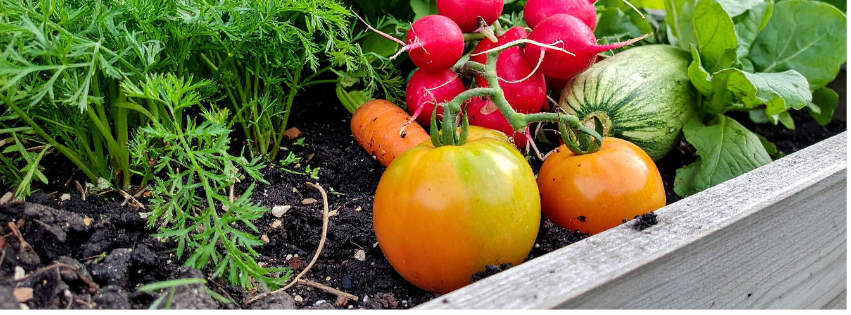
If you’re new to Florida vegetable gardening, you probably don’t understand why your friends are so excited about cooler weather. It might be time to start winding down vegetable crops in most of the country, but it’s time to start planting them here, or at least planning where to plant them.
“The thing about vegetable gardening in Florida is that most people don’t really get the concept of planting with the seasons,” said Kitty Wallace, co-founder of the Coalition of Community Gardens in Tampa. “They’re asking me if they can plant something now, and of course they can, but it might not do well.”
While some crops, like English peas, should wait for cooler weather, many vegetables can be planted in September to be harvested later this year. “Now is the time to put green beans in the ground for Thanksgiving, or you can plant broccoli for Christmas,” she said. Other plants that can be started now include tomatoes, carrots, cauliflower, cucumbers, lettuce, onions and peppers.
And although timing is critical, it’s not enough to just put seeds in Florida’s sandy soil and expect a bumper crop. You’ll need to develop a plan and prepare the soil before you start actually digging holes for your vegetable crops.
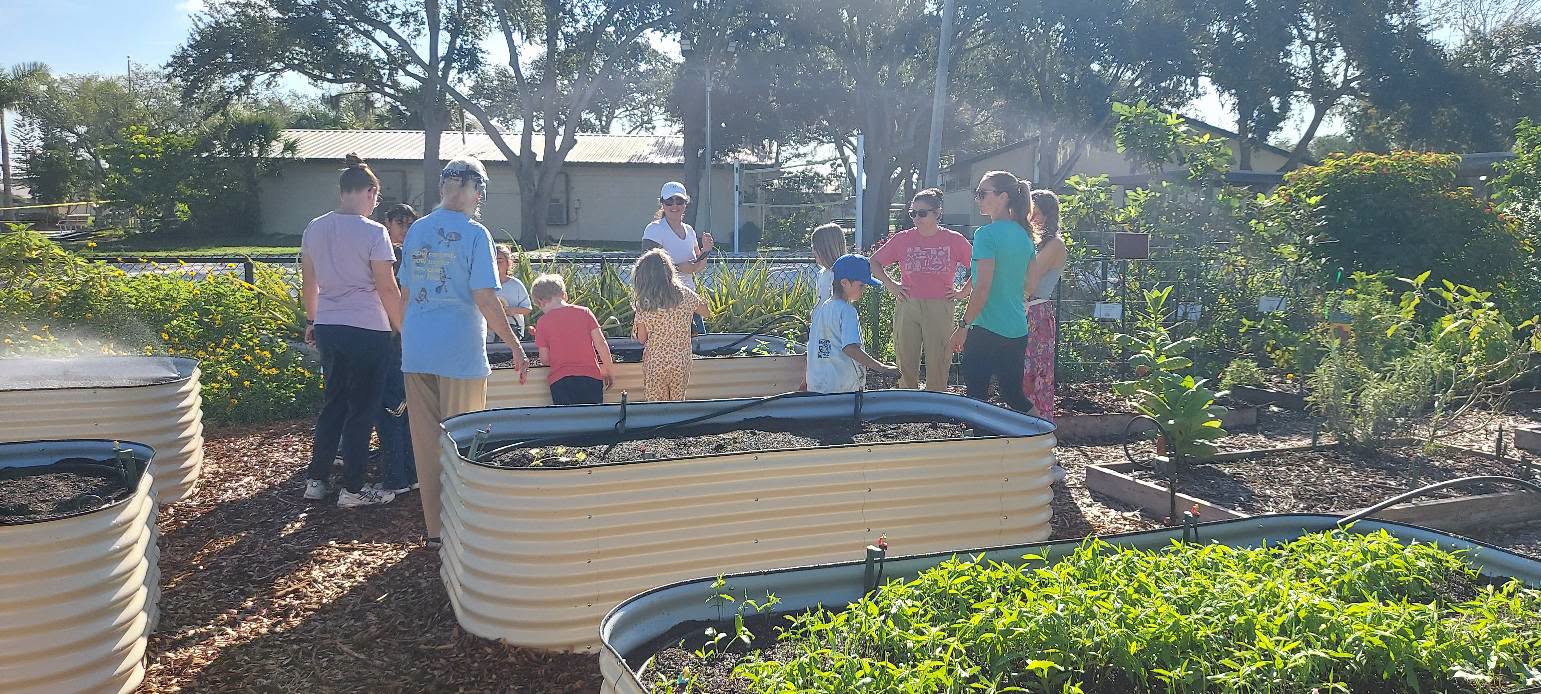
Most new growers, however, will probably opt for container gardening or join a community garden, where they can rent a space with highly amended soil and an irrigation system.
Even better, if you’re a newbie, community gardens come with built-in experts who are glad to share their knowledge and resources. The Coalition has grown from just six community gardens in 2015 to 60 gardens across Hillsborough, Pinellas, Manatee and Pasco counties, Wallace notes. “Most of them still have some available spaces, so there’s probably a nearby spot where you can learn to garden from people who have been doing it for years.”
Local offices of the University of Florida/Institute of Food and Agricultural Sciences all have community garden specialists on staff to add their professional expertise, Wallace said.
Even downtown dwellers can join the fun this year at the newest community garden located outside the Whiting Street Garage, Wallace adds. “It’s right on the street in the middle of downtown Tampa.”
To find a garden near you, visit https://coalitionofcommunitygardens.org/get-involved/community-gardens/. If you’d like to learn more about starting a community garden in your neighborhood, visit https://ifas-hillsborough.catalog.instructure.com/browse/homegrown/courses/community-garden-specialist-training
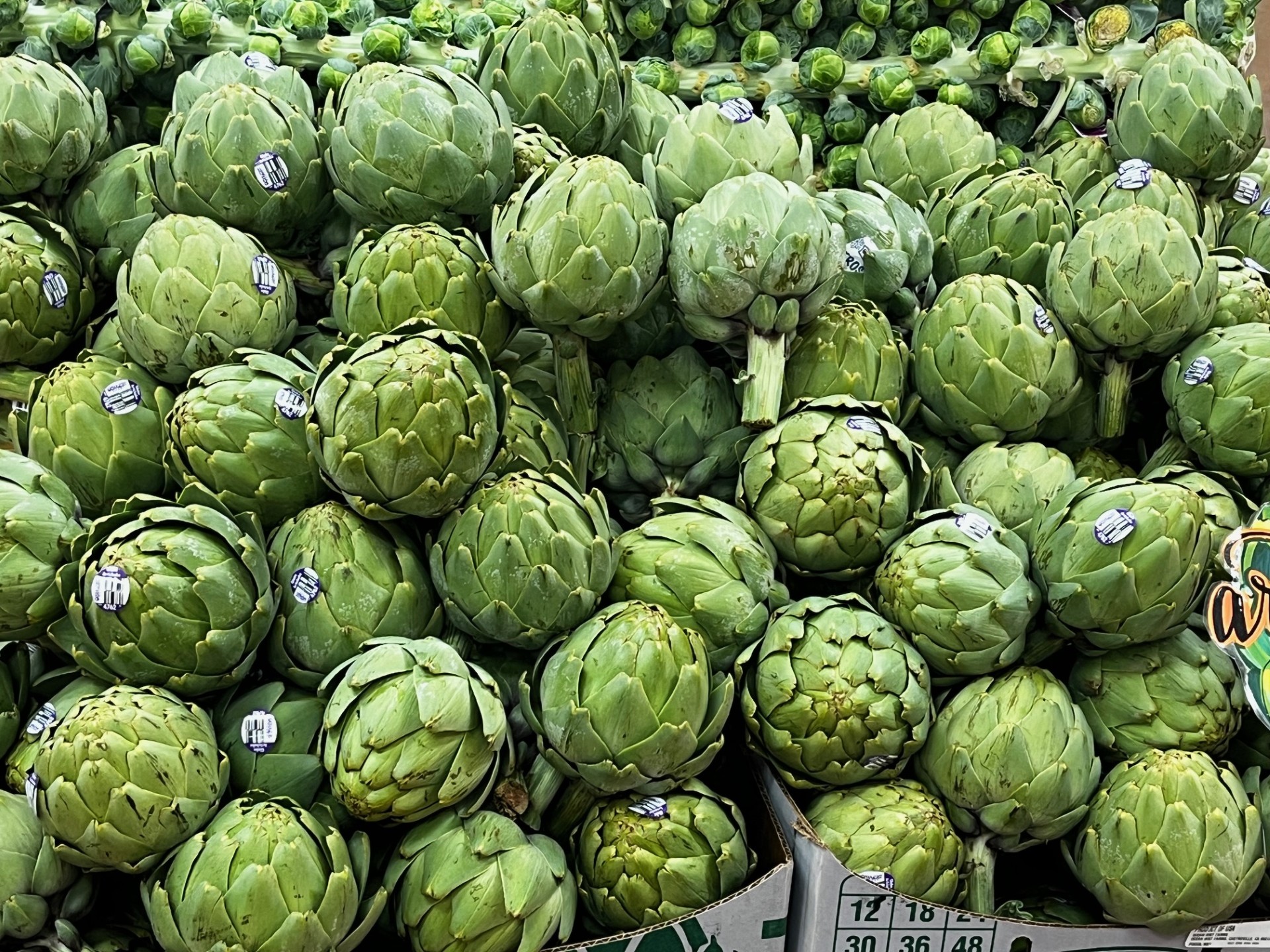
From field to fork: UF scientists uncover tricks to growing artichokes
Florida gardeners who love artichokes have been told for years that the tasty flowers don’t grow here. Native to the Mediterranean region, artichokes prefer cool winters and dry summers, so nearly all artichokes sold in the US come from a small region in coastal California. More recently, though, researchers at the University of Florida (UF) are unlocking the secrets to growing the vegetable here.
For Florida farmers, faced with record cold and drought linked to climate change as well as ongoing pressure from diseases like citrus greening, artichokes could become a highly profitable crop. The flower buds, which are the edible portion of the plant, typically retail for more than $3 each and, since they’ve traveled across the country to get to Florida, they’ve lost some of their nutrients.
“Artichokes are not only a tasty vegetable, but they are also rich in nutrients that are good for our bodies,” said Tie Liu, an associate professor of horticultural sciences at the UF Institute of Food and Agricultural Sciences (UF/IFAS). They contain fiber, antioxidants and bioactive compounds that may help support heart health, digestion and overall wellness. “Because of these health benefits, artichokes can play an important role in healthy diets.”
Liu and Shinsuke Agehara, a UF/IFAS associate professor of horticultural sciences at the Gulf Coast Research and Education Center (GCREC) in Wimauma, are looking for ways to grow artichokes here, as well as identifying how to extend artichokes’ shelf life while maintaining the stability of healthy compounds. Agehara hosted an Artichoke Field Day in March, which he expects to repeat in February 2027.
Growing artichokes in Florida isn’t as easy as planting just any food crop but it’s doable, as Agehara has proven. As a cool-season crop adapted to the Mediterranean climate, artichokes require a certain amount of winter chilling to produce flower buds. “The major challenge is that Florida’s warm winters often don’t provide enough chilling,” said Agehara.
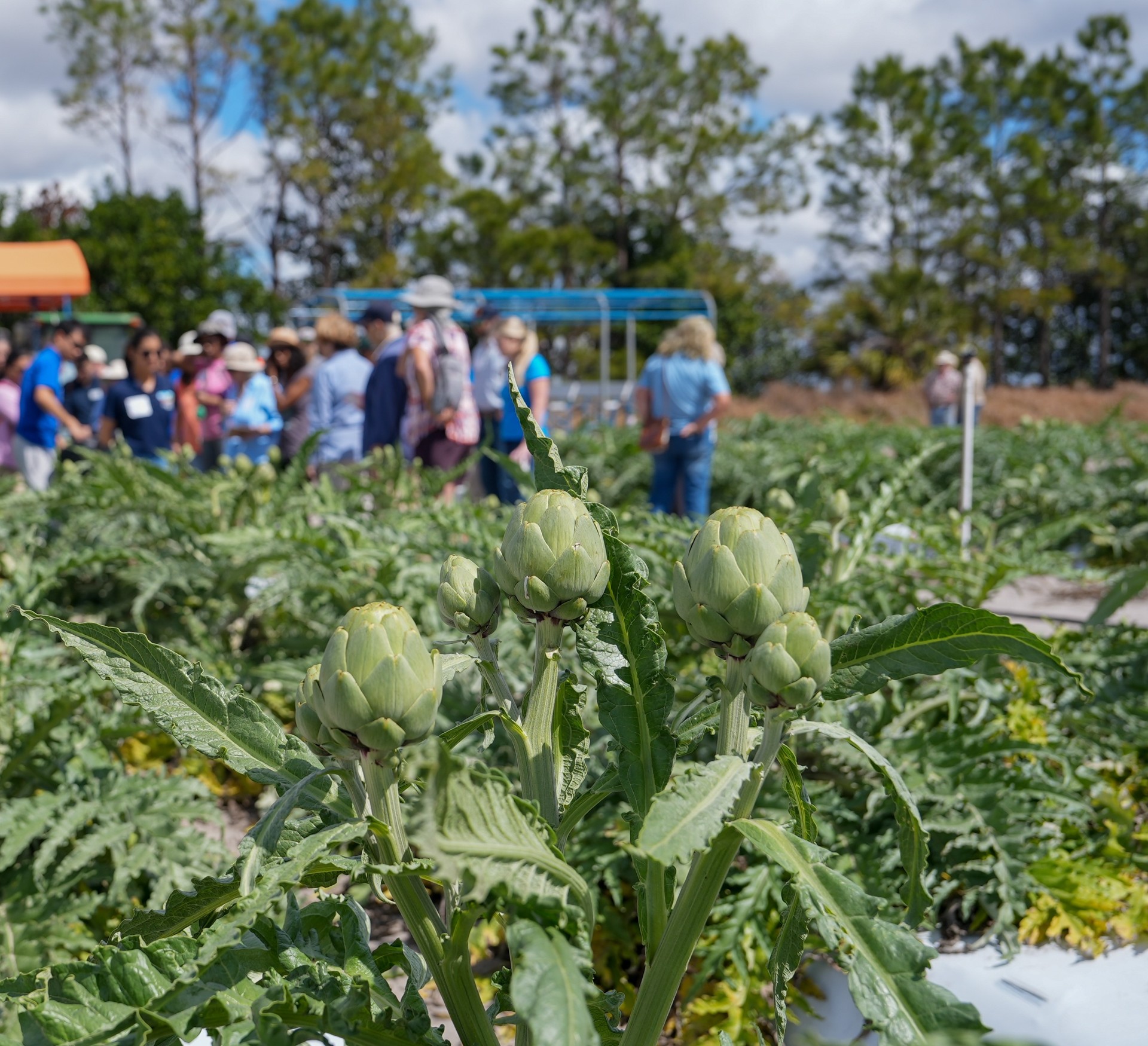
To overcome that obstacle, you need to start with the right varieties – he recommends Imperial Star for high productivity or the hybrids Green Queen or Green Globe Improved for better quality fruit, although the hybrid seeds are more expensive.
Plant the seeds in late August or mid-September in small pots or a seedling tray in a partially shaded location protected from heavy rainfall. In about six weeks, they’ll be ready to transplant to a full sun location outside. In approximately another six weeks, it will be time to add Agehara’s secret sauce – gibberellic acid, a naturally occurring plant hormone that stimulates flower bud development, bypassing the need for winter chilling by fooling the artichoke into thinking it’s cold and therefore time to bloom.
Agehara’s team incorporated this treatment into a production system tailored to Florida’s growing conditions., When combined with the right varieties, planting dates, fertilization, and irrigation management, this approach can produce up to 15,420 pounds of artichokes per acre — more than 90% of the average commercial yield in California.
Agehara recently published a production guide to artichokes with detailed information on planting and caring for the crop. He’s planning another Artichoke Field Day at UF/IFAS/GCREC in February 2027, – including taste tests on the newest crop. Follow their Facebook page at https://www.facebook.com/UFHortLab/ for the latest information.