When researchers polled Tampa Bay residents about their eco-anxiety in the face of environmental degradation, they were surprised to find that nearly one in six respondents exhibited moderate to severe symptoms. Even more surprising – stress levels were nearly twice as prevalent within the general population as among environmental professionals who saw the problems daily.
“We went in thinking that people who are part of our existing (environmental) network would have stronger feelings of eco-anxiety because they know what the struggles are – they see them all day every day,” said Blake Simmons, the environmental social scientist at the Tampa Bay Estuary Program (TBEP) who conducted the study. “And it’s important to them, something that they value.”
Instead, the most severe symptoms tended to be found among people who are from underserved and overburdened communities with less of a financial blanket to fall back on when they think about the costs of climate change – increased flooding, hurricanes and a lack of trees in their neighborhoods that could reduce temperatures.
Symptoms, which may be exacerbated by other stresses, can include difficulty sleeping, adverse impacts on moods and the ability to accomplish day-to-day responsibilities. “For someone who is already struggling with any mental health issues, the odds are that they could also easily develop symptoms of eco-anxiety.”
Along with the general rule of thumb that educated professionals typically tend to enjoy better mental health, the difference seems to be the environmental professionals’ positive actions and their belief that even small steps toward sustainability and protection are making a difference, Simmons said.
“They have a sense of agency, the hope that they can make a difference, that what you personally do can help with environmental issues,” he notes. “On the other hand, people with eco-anxiety tend to think that things are just too far gone and that, no matter what they do, nothing is going to get better.”
The good news is that you can actually do something about eco-anxiety and it may ultimately help with other more generalized anxiety. “If people are less environmentally engaged, we can encourage them to participate in activities where they can see the benefits and realize that some things actually can get better – that we can chip away at some of these problems.”
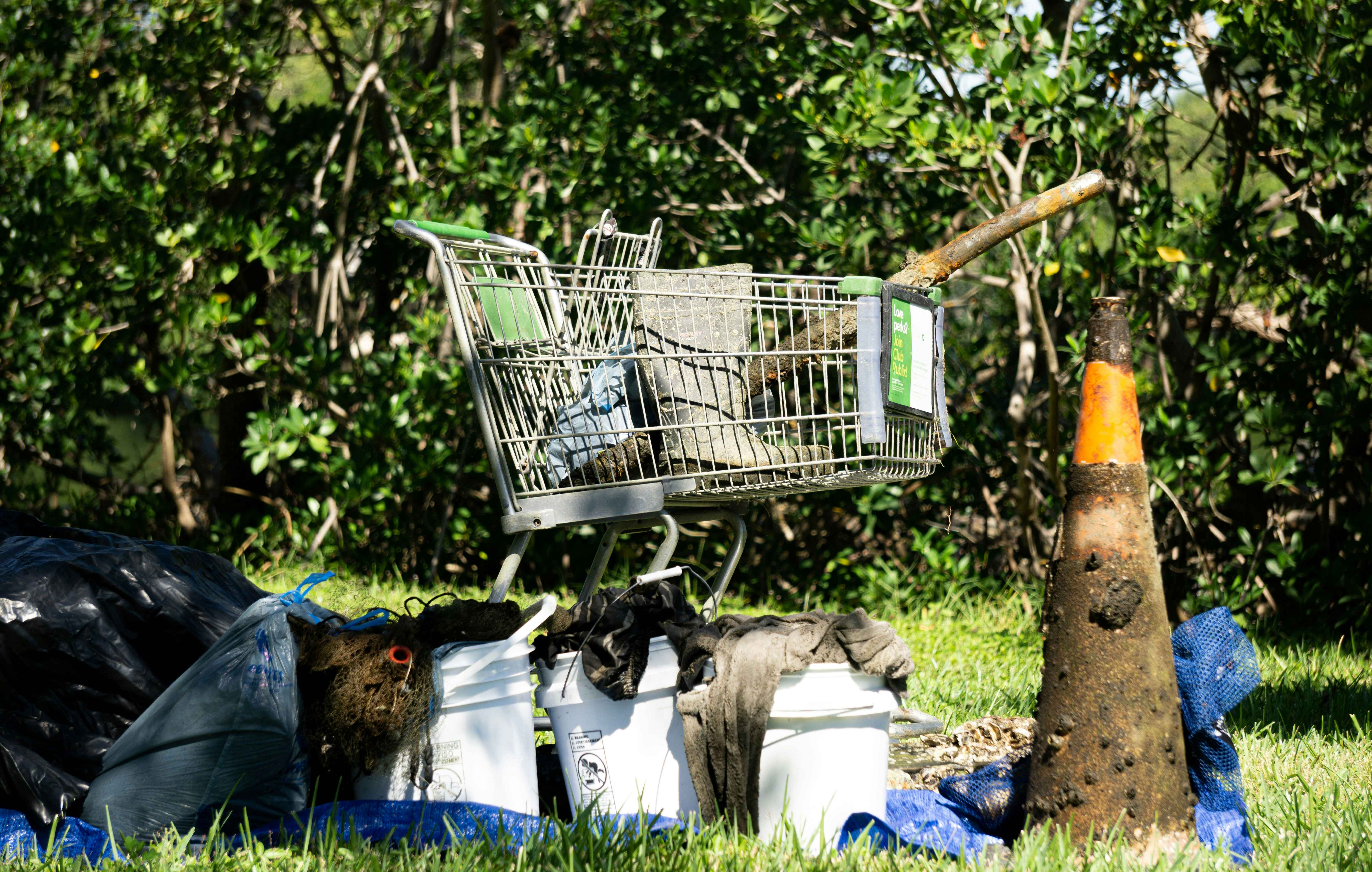
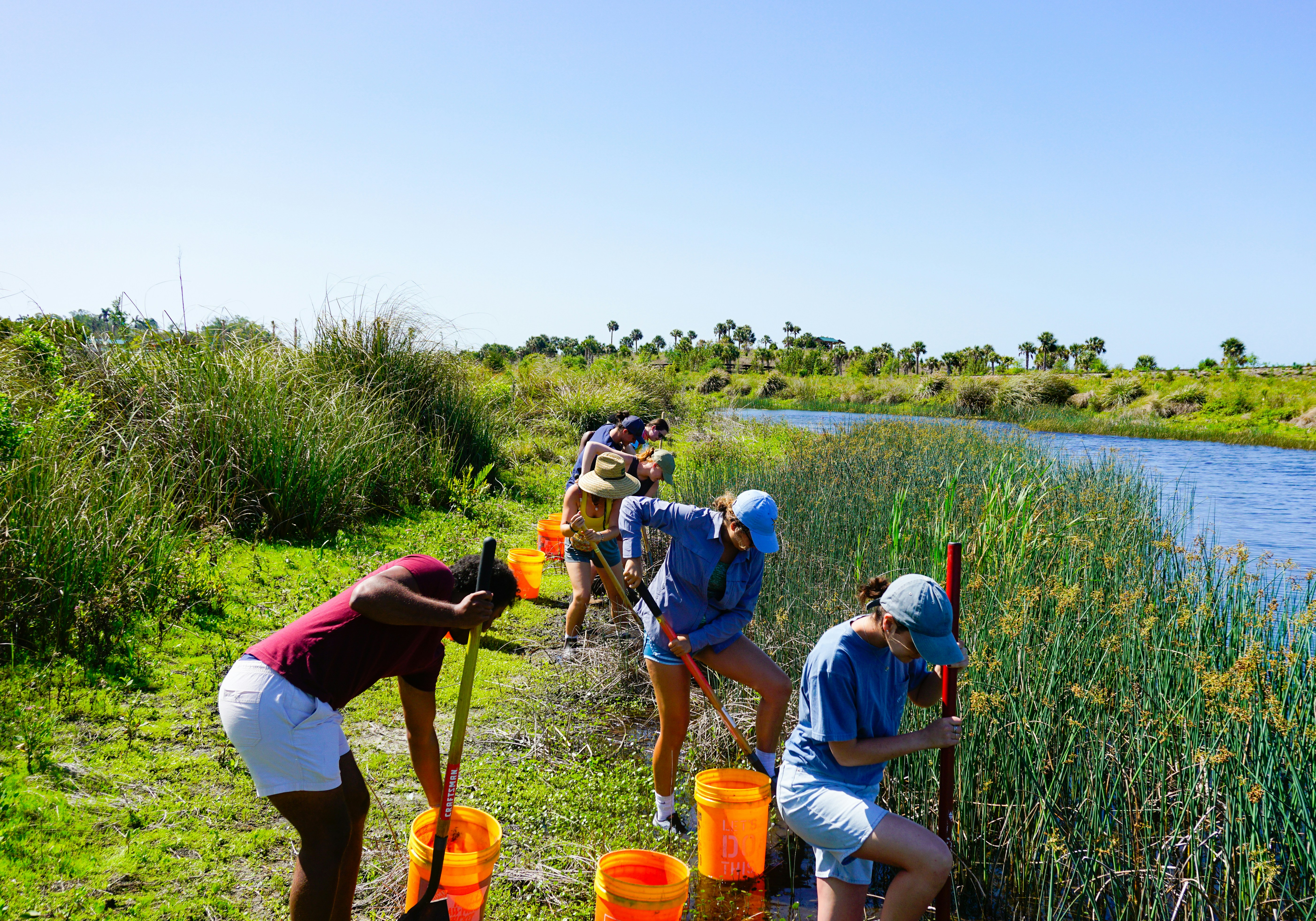
Opportunities like TBEP’s Give-A-Day for the Bay events and its Debris Derby or the Great Bay Scallop Search held annually in conjunction with Tampa Bay Watch, involve people in positive actions where they can see the difference that just one day of work can make. “Getting out there and connecting with people who share your values will allow you to see the benefits of your actions and increase your hope that things can get better in the future,” Simmons said.
The survey and report are part of a new focus at TBEP that considers the relationship between nature and mental health, and were specifically addressed to other environmental professionals. “We’re trying to embed mental health more consistently in all of our programs so that we can make sure people leave our activities feeling more hopeful about the state of the environment.”
While other organizations may focus on terrifying people to force them into action, the results of the study suggest that if you scare people too much and take away their sense of hope, then they may just give up.
“One researcher called it eco-paralysis, where it all seems so daunting that whatever you do feels futile and you can’t find the energy to do anything at all,” Simmons said. “We want to make sure that TBEP and the organizations we work with are running volunteer events and education activities that incorporate mental health into their programs.”
Simmons hopes to see a larger systemic shift among environmental professionals who are cognizant of the mental health crisis and the ways they can help their communities overcome those challenges. “We need to pull back the curtain from the public’s perspective to say, ‘Hey, this is a real thing that’s happening, and if you’re feeling these things, you’re not alone.’ It’s more common than we thought but there are ways to get out of that slump and get back to feeling more hopeful and wanting to make a difference.”