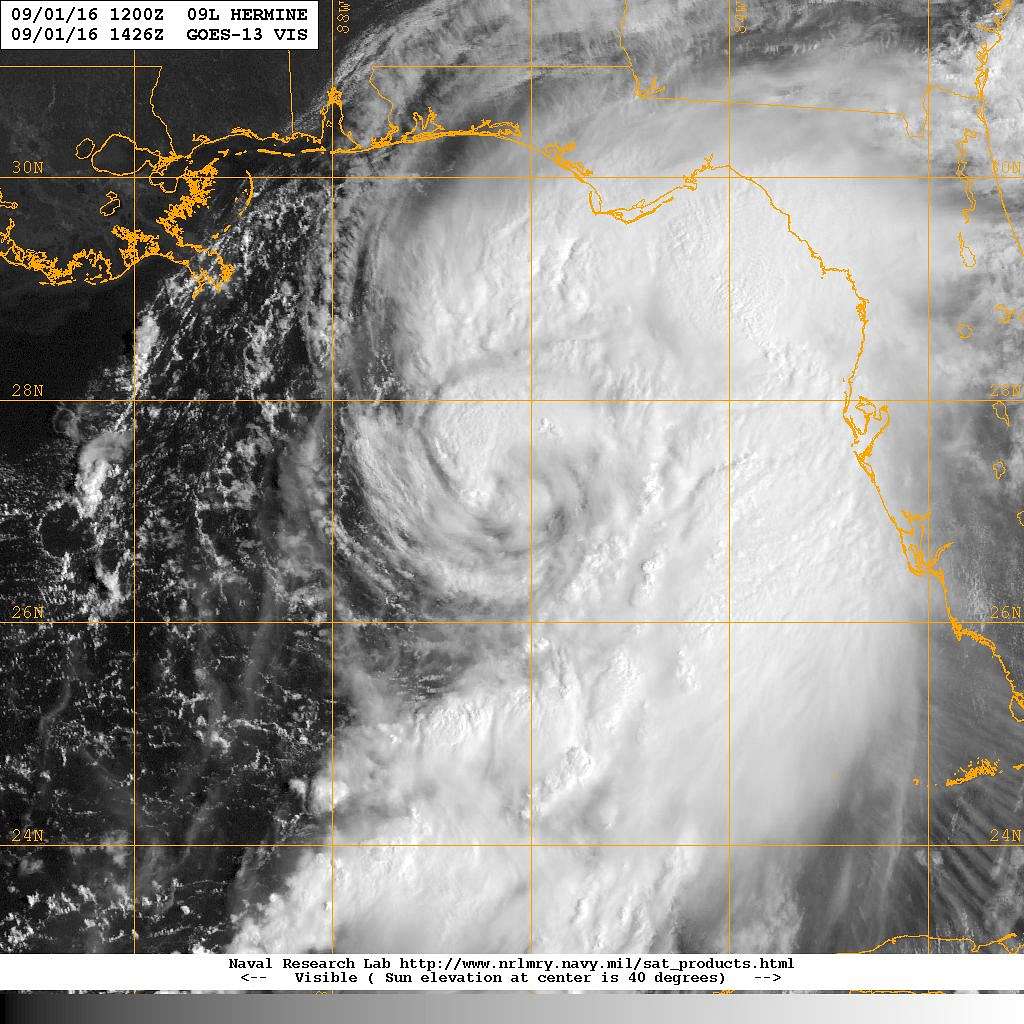
With nearly 50% of loan applications declined and two in five Florida homeowners’ insurance claims denied, preparing an older home for hurricanes—or repairing one afterward—can be challenging.
That’s where the Solar and Energy Loan Fund (SELF) can help., SELF offers unsecured loans based on an applicant’s ability to repay, rather than their credit score. Even so, its default rate is below 2%, says Doug Coward, founder and director of partnerships for SELF.
Founded in 2010 with grant funding from the U.S. Department of Energy through St. Lucie County, SELF expanded to Tampa Bay in 2018 with financial support from local governments, including the City of St. Petersburg and Hillsborough County, and has made more than 1,000 loans worth more than $11 million in the region. Statewide, it has lent nearly $70 million, mainly to low- and moderate-income families, primarily seniors on fixed incomes, female heads of households, military veterans and disabled homeowners. “We’re fixing affordable housing when owners might otherwise be unable to obtain financing for energy-efficient home repairs,” he said.
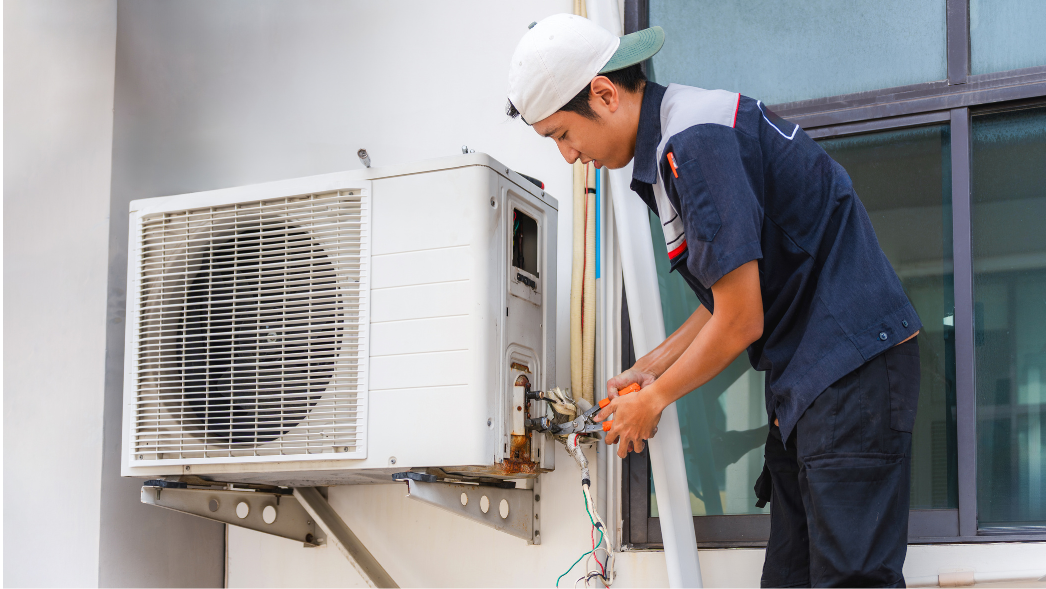
Most loans fund efficiency upgrades, not solar energy. “We don’t recommend solar power until homeowners address less-expensive upgrades, such as a newer roof and energy-efficient windows, lighting and air conditioning. Most loans we’re making now are for new roofs or air-conditioning units.” This is an important initial investment to make the home use energy efficiently before installing energy-producing solar panels.
Most new clients, he adds, come through contractors who are part of SELF’s program, so they’ve been thoroughly vetted. “We’re able to support those local contractors by financing their work,” he said. “We also don’t pay contractors until our inspectors have approved the work so there’s an added benefit to our clients.”
Lateral lines, septic-to-sewer also eligible
In Martin County, where a massive campaign to convert aging septic systems to sewer is underway, SELF is providing low-interest loans to residents who don’t have the upfront cash to cover the cost of connecting to sewer. So far, it’s lent $1.77 million to 265 homeowners.
“We can easily expand that across the Tampa Bay region,” notes Sherri Herrera, who directs marketing efforts for SELF from her St. Petersburg office. “We can also lend money for lateral line replacements in communities like St. Petersburg, where the lines connecting individual homes to public wastewater pipes are failing and could cost homeowners thousands of dollars to repair.”
Extra help after hurricanes
Along with SELF’s standard loans, their partnership with Kiva helps provide even more flexibility following natural disasters like hurricanes. An international microloan organization established in 2005, Kiva offers low-interest loans through crowdfunding and helped several Pinellas County families rebuild after Hurricane Helene.
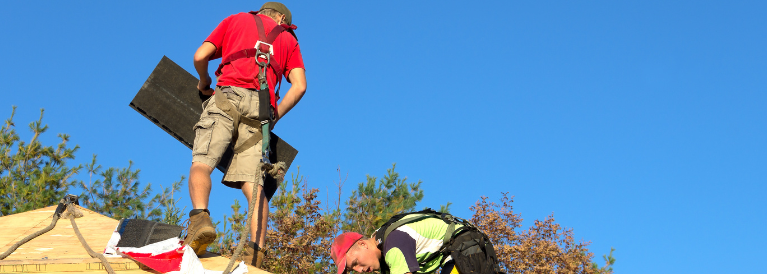
One Polk County homeowner received a $10,000 loan to repair her roof before hurricane season last year, with $25 loans from 331 people on three continents in six hours, Coward said.
“You can start with a loan of just $25 and then when it’s repaid you can relend it to create a ripple of opportunity,” Coward said. “I had an initial investment of $400 that’s been rolled over so many times that I’ve made loans for $2450 over the last 10 years.”
Even without Kiva’s no-interest loans, SELF’s five-to-10 percent interest rates can make home repairs or improvements feasible for families who might not otherwise be able to afford a new roof or air-conditioning system. “Many of our clients would be facing loans with 20% interest rates, or credit card charges with 30% interest, if they could even get them.”
By Vicki Parsons, originally published July 10, 2026