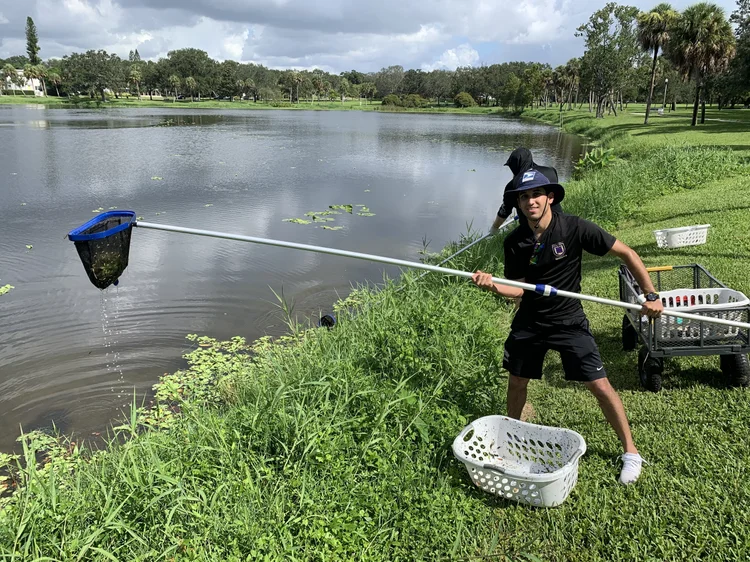
Until it got SoUL, Crescent Lake in St. Petersburg was like most lakes and ponds in Florida. Its artificially steep edges were mowed monthly to keep it looking neat and clean although manicured shorelines didn’t welcome wildlife or help capture pollutants in stormwater. But like many lakes in Florida, that’s changing as volunteers, residents, and managers recognize the benefits of native plantings along pond edges, especially in urban areas.
SoUL – Stewards of our Urban Lakes – began work in 2007 with a Bay Mini-Grant from the Tampa Bay Estuary Program (TBEP) as Friends of Crescent Lake to install wetland plants in the lake’s shallow shorelines. Since then, nine grants from TBEP and the Tampa Bay Regional Planning Council’s Stormwater Management and Education Committee have allowed SoUL to continue its work on Crescent Lake and help improve nine other lakes across St. Petersburg.
Volunteers from across St. Petersburg have all come together to improve habitat and water quality in their neighborhood lakes, including Eagle Crest, Meadowlawn, Jungle, Mirror, Round and Winston Lakes as well as Lake Pasadena. “Other communities saw what we’d done at Crescent Lake, and came to us for help,” said Jim Bays, a retired ecologist who serves as SoUL’s president. “We bring the expertise and the contacts; they bring the volunteers.”
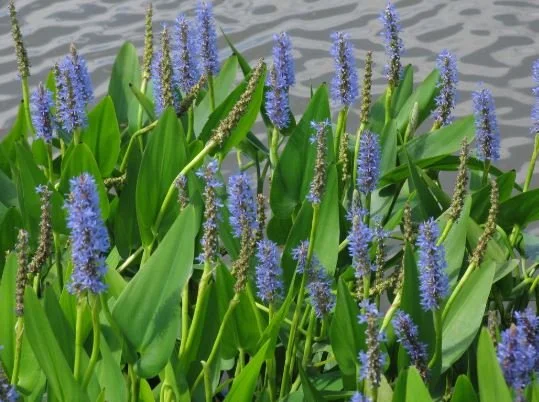
While each lake is different, the first initiatives most often focus on cleaning up trash (typically in a partnership with Keep Pinellas Beautiful) and replanting shorelines with natives that filter stormwater and provide habitat.
“When we started at Crescent Lake, we wanted to see more habitat, so the big effort initially was to get plants installed at the north and south end of the lake where natural deltas of sediment had been deposited from the stormwater outfalls,” said Bays. Multiple rounds of plantings focus on the shoreline and narrow littoral shelf with native plants like fire flag, bullrush, pickerelweed, canna lily, and spatterdock.
But SoUL’s work goes far beyond plantings. Initial monitoring at Crescent Lake showed water quality significantly improving over the summer after plants were installed, but the lake turned into a mucky mess during cooler months. After years of continued monitoring with sample analysis provided through Lakewatch, work through the City of St. Petersburg and a graduate student at the University of South Florida, SoUL found the explanation.
Crescent Lake is more than 30 feet deep, so water stratifies. During the warmest summer months, the top layer of water heats up while the bottom stays cool, which prevents the water from mixing. The bottom layer runs out of oxygen and releases significant amounts of nutrients from the sediments into the water. With cooler weather and wind gusts from cold fronts, the water remixes and water quality declines again. “What was coming off the bottom in the winter was almost as concentrated as wastewater effluent, and we’d get these horrible algae blooms.”
The City installed an aeration system that mixes the water completely every eight days. “The winter blooms are completely gone but we’re seeing a green water lettuce bloom in the summer as 100 years’ worth of sediment is moving through the system all year long,” Bays said.
Monthly cleanups at Crescent Lake attract from 20 to 100 people, depending on the weather. They’ll fan across the surrounding park to pick up trash, clean out the Water Goats and some will head out in canoes or kayaks to remove water lettuce by hand – over a ton at each of the last few cleanups.
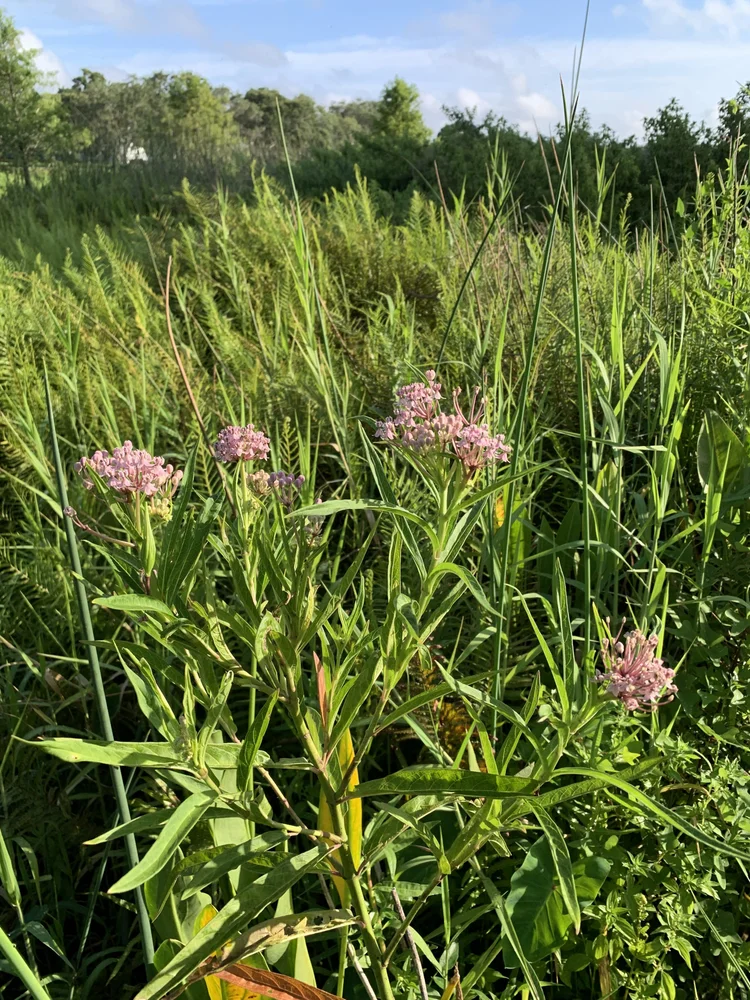
The plantings started at Crescent Lake have worked out to be prototypes for the other lakes SoUL works on. Native plants, with markers to protect them from mowers and herbicides, now form a dense native shrub community along much of the lake’s edge that filters stormwater and provides habitat for nesting locations for many kinds of birds.
But it hasn’t been as simple as plunking a plant into the ground. Natural lakes typically have a gentle slope, but most urban lakes have been dredged over the years to build the neighborhoods surrounding them, creating steep slopes. Most native plants have clear preferences for the depth of water they will thrive in, so finding plants that will handle more water during the summer rainy season and less in winter or times of drought can be challenging.
“The whole thought here is to follow nature’s instructions and look at how the plants are accommodating themselves to the weird hydroperiod of a lake where water levels can rise a foot with an inch of rain because it’s such a large watershed compared to the size of the lake,” Bays said. “We planted more than 25 species and we’re down to just a handful, but the handful survived and now we know which they are.”
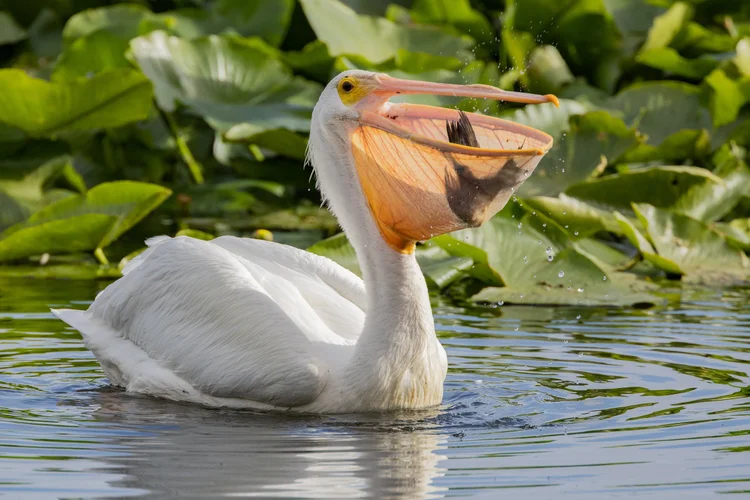
The restored lake is also attracting multiple species of animals. The eBird database for Crescent Lake Park shows 115 bird species, a number that has increased with improved habitat and its appeal to human birdwatchers. “We’ve seen new species come in but that also brings in people who are better at documenting the birds they see – the more eyes, the observations, the more birds. It’s a self-reinforcing improvement.”
The City removes alligators from lakes within its boundaries based on several factors, but frog and turtle populations are also rebounding. “That was a bullfrog we heard a minute ago, and we’ve definitely have seen the frog population increase. We have tree frogs and pig frogs and bullfrogs, which of course increased the turtle population because there’s more food for them, so we have all kinds here: soft-shelled and snapping turtles, cooters, and sliders.”
The next steps for SoUL at Crescent Lake are to restore submerged aquatic vegetation to support a more vibrant fish community currently dominated by non-natives such as tilapia. At Jungle Lake, which provides a useful example there has been an increase in eelgrass coverage since restoration efforts began. ,
“At Crescent Lake, we wrapped the eelgrass in soil and burlap – like little burritos – and dropped them in the site and hoped that something would happen,” Bays said. “This year, with water levels dropping and clarity improving, we’re seeing them all along the length of the berm. It’s proof that we’re on the right track toward improving water quality and revegetating the lake.”
SoUL will be hosting its annual fundraiser on Nov. 12 from 6:30 to 9 pm at The James Museum of Western and Wildlife Art. For more information or tickets, visit https://www.zeffy.com/en-US/ticketing/legacy-of-lakes-benefit