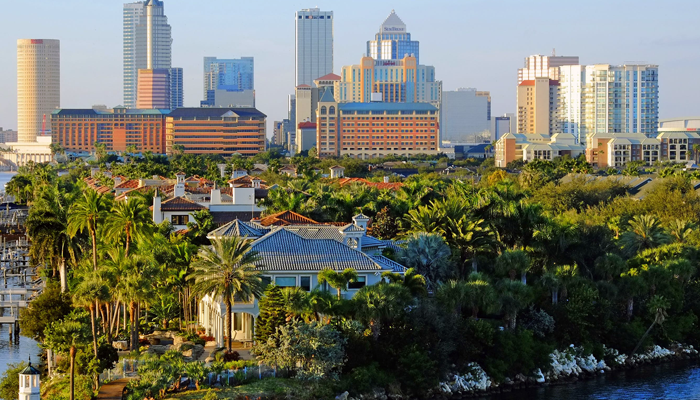
Floridians, perhaps more than people in any other state, know the value of trees. We’ll pay a premium for a home with a tree-shaded property, park on the far side of a large lot to take advantage of shade, and we know which streets are shady for our morning walks.
But our urban forests face significant challenges: hurricanes, of course, but also ongoing development, and even old age because trees have well-defined life expectancies and the canopy in some older neighborhoods is nearing the end of that cycle. Clean Air Tampa Bay, an initiative of the Tampa Bay Regional Planning Council created to reduce air pollution across the region, recently completed a comprehensive review of tree canopy management practices across the region, building upon the Agriculture, Forestry, and Other Land Use (AFOLU) measures outlined within the Comprehensive Climate Action Plan (CCAP).
Spoiler alert: the bottom line benefits extend much farther than a shaded home or parking lot. Across the Tampa-St. Petersburg region, existing tree canopies provide more than $587 million in ecological benefits every year, including improved air quality, stormwater mitigation, reduced heat impacts, improved coastal resilience and carbon sequestration.
Land development codes that help protect trees are written at the national, state and local levels, with cities and counties responsible for developing strategies that reflect local priorities. Those local strategies are detailed in Clean Air’s full report with highlights that include:
- The City of Temple Terrace’s comprehensive plan designed to address the anticipated decline in its urban canopy due to its aging forests.
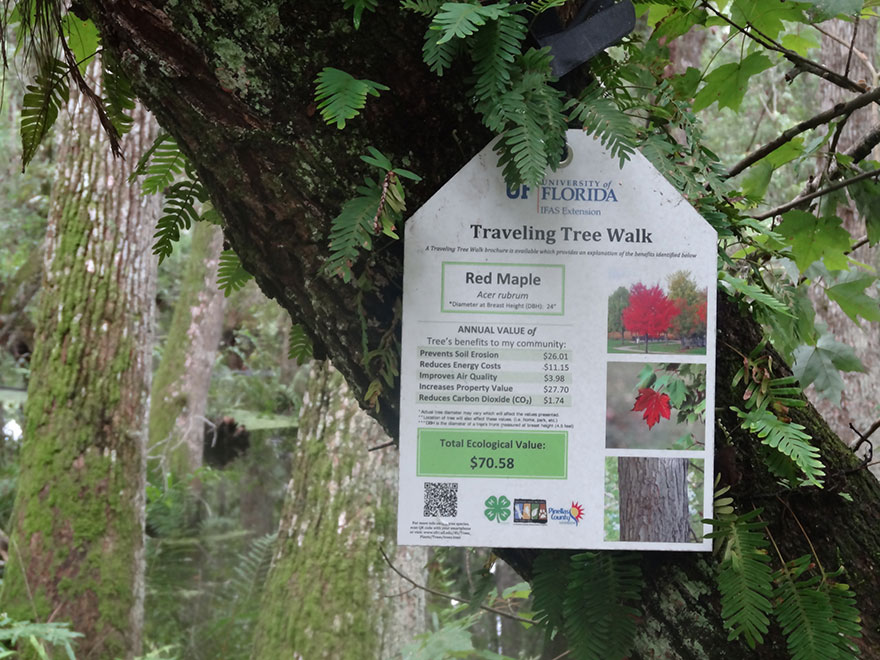
- Pinellas County’s restructured tree regulations that focus on a value-based approach, recognizing that tree health, condition and species influence the benefits provided by individual trees.
- Pasco County’s 2026 ordinance update prioritizes tree preservation and canopy protection standards throughout the entire development process.
And while most people think of forests as far away from a city, urban forests are just as important as those in vast nature preserves. Their ecological impacts have benefits every neighborhood can appreciate. For example, urban forests are known to reduce local temperatures by five to 10 degrees. This cooling reduces the number of heat-related deaths and energy consumption for individual residents.
Of course, there are some concerns when it comes to tree canopies. Hurricanes like Helene and Milton bring down trees and limbs. Those storms reduced canopy in the City of Tampa by approximately 5%; however, far more surveyed residents reported damage to the trees than damage to private property. Selecting and maintaining the tree best suited to your unique combination of soil, rain, and sunshine conditions can reduce wind speed and help protect your home.
And while government agencies can write regulations that support tree canopies, private landowners are key to success. “The public sector is not enough; the majority of available planting areas are private property,” said Joe Ferris, certified arborist with the City of Temple Terrace.
How you can help!
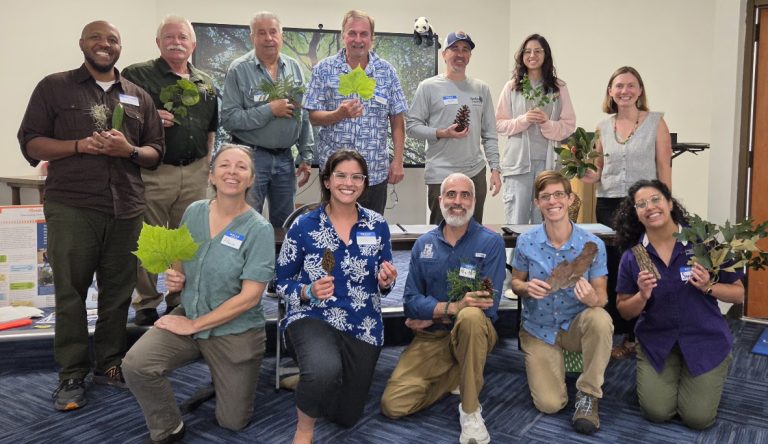
UF/IFAS Urban Forestry Extension has created the Urban Forest Tree Stewards training program. After kicking off in August in Hillsborough with a pilot program for trainers across the state, the Pinellas Extension will be the first in the state to offer a program for residents in January 2027.
“The goal is to train the trainer to be tree stewards who can identify the needs in their community – whether it’s selecting trees, watering, pruning, or general maintenance,” notes Alyssa Vinson,UF/IFAS Urban Forestry Extension Agent in Hillsborough County. The Florida Urban Forestry Council is finalizing a guidebook to help communities identify where assistance is most needed and bridge academic research with community expertise.
- Urban Forestry Extension Council,
- Naturally Florida podcast episode on urban forestry
- Vinson’s Roots in the Sunshine podcast series
By Vicki Parsons, originally published November 4, 2026