By Joe Murphy
Halloween is here! We took my granddaughters shopping last week for their Halloween costumes, and I have not enjoyed an adventure like that in a long time.
When I taught elementary school, I was reminded each year of the magic, joy, and excitement that comes with the arrival of costumes, candy, and pumpkins.
I have always been fascinated with the connection we make between certain species of wildlife and Halloween. Owls, bats, vultures, and other things that go bump in the night, or are somehow connected to death, all play a central role in our stories and mythology surrounding this very scary night.
Why Do We Fear Creatures of the Night?
I think those myths and legends spring from a primal fear of things that are nocturnal, or things that have senses that allow them to prosper in situations or places where humans do not.
Animals that hunt in darkness, that are most active when the world is darkest, frighten us because we do not share those skills or abilities.
We have a natural evolutionary fear of things that can hurt or harm us. The venomous, the poisonous, the things that might consider us prey. And those fears are heightened when darkness falls. Of all the senses we possess, sight seems to be the one that brings us the greatest security.
So today, I speak in defense of those wild creatures of myth and mystery that inhabit our Halloween stories. Most of our Halloween villains get a bad rap. In truth, they are actually very beneficial to humans and are essential parts of the ecosystems where they live.

Bats: Nature’s Flying Pest Control
Bats are one example. They are mythologized as vampires or the fellow travelers accompanying Count Dracula as he prowls dark places at midnight.
Bats are scary, but only if you are a moth or a mosquito.
They are quite fascinating and provide tremendous ecosystem services to the public and to farmers. Some bats serve as pollinators, while insect-eating bats are predators of insects that threaten public health. Farmers need all the pollinators they can get.
Bats consume a tremendous number of insects, including mosquitoes, each evening. They are true natural champions.
And if you like nature-based trivia, you might enjoy learning that bats are the only mammals capable of sustained flight. They are excellent parents, and many species live together in colonies.
One of the bat species you might observe along the Nature Coast is the Brazilian free-tailed bat.
You can encourage bats to visit your property by installing a properly designed bat house, providing them with a place to roost.
To learn more about Florida’s bats, visit Florida Bat Conservancy.
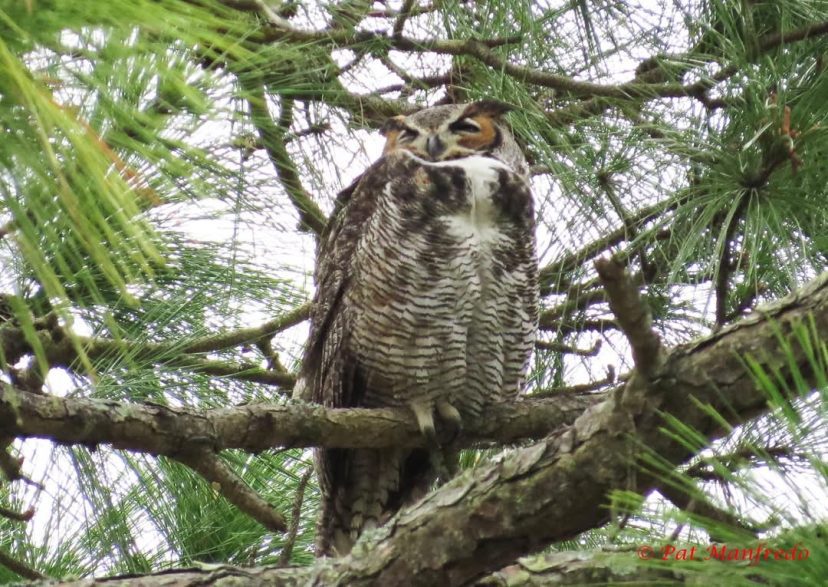
Owls: Silent Hunters That Help Keep Nature in Balance
Owls are not scary either. Owls are a welcome addition to any human community.
If you are a small rodent, beware!
They are incredible predators. Silent flight, keen senses, razor-sharp talons, and the ability to use the night to their advantage make them consummate hunters.
Owls eat the things that should truly scare us, including rodents that can carry diseases.
There are five major owl species in Florida, and all five can be found in the Nature Coast, although the burrowing owl is now rare here.
Their nocturnal calls, cackles, hoots, hollers, and screeches can be quite frightening if you don’t understand them. They are intended for other owls, however, and mean us no harm.
Vultures: Nature’s Essential Cleanup Crew
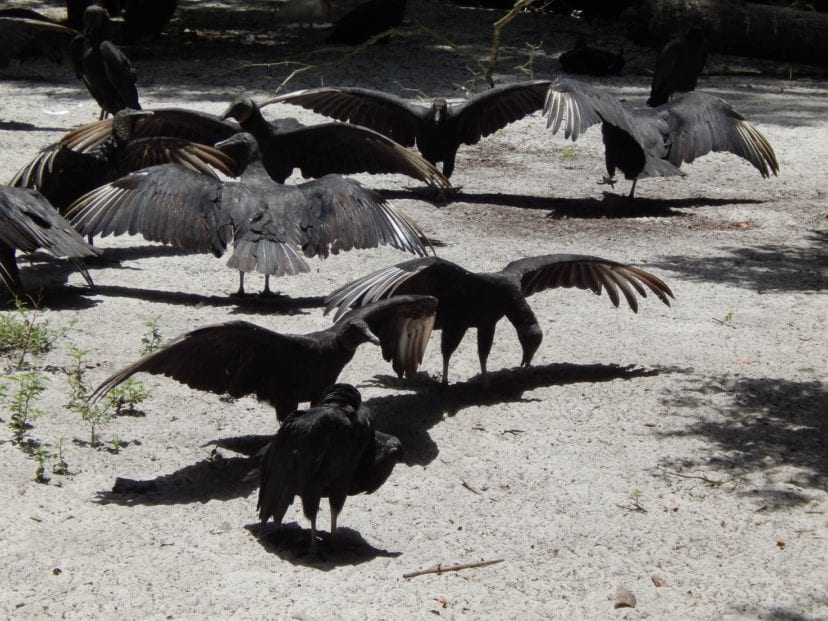
Some Halloween stories and myths include vultures as creatures foretelling impending death and doom.
While vultures, as carrion feeders, are associated with death, they are not scary to the living.
Well, maybe to rubber seals on houses and cars, which they sometimes enjoy nibbling on, but not to humans overall.
Vultures help reduce the risk of disease by consuming the carcasses of animals that have died. They are agents of biological order, and we would be in deep trouble, surrounded by rot and wretchedness, without them.
A Halloween Reminder from the Nature Coast
This Halloween, while we enjoy the mystery of darkness and let our imaginations run wild, let us remember that nature, with a few true exceptions, means us no harm.
The bat, the owl, and the vulture do us more good than harm.
But beware the grandfather who lurks just beyond sight, waiting to prey on the Halloween candy brought home by his grandchildren.
I have consumed many a candy bar with fangs bared and a cackle and howl.
Joe Murphy is a lifelong Floridian and conservation advocate who has worked with organizations including the National Wildlife Federation, Sierra Club, and FWC. A former elementary science teacher, he now writes about nature and place, contributing regularly to The Invading Sea and the National Wildlife Federation’s Gulf Program Blog and NatureCoaster. He lives on the Nature Coast with his wife, two children, two grandchildren, and two very good dogs.
Originally published in Naturecoaster.com