Why Tampa Bay’s Recent Dengue Outbreak is No Joke | Column
Late last July, a few ounces of trapped rainwater on my Seminole Heights front porch became the breeding ground for a threat I never saw coming. Within five days of getting several mosquito bites on my ankle, I started a medical journey characterized by excruciating “breakbone” pain, three emergency room visits, dangerously low platelet counts, and a healthcare system initially baffled by my symptoms.
I didn’t catch dengue fever backpacking in Southeast Asia or in a rainforest in Africa. I caught it in my own front yard in Tampa, Florida.
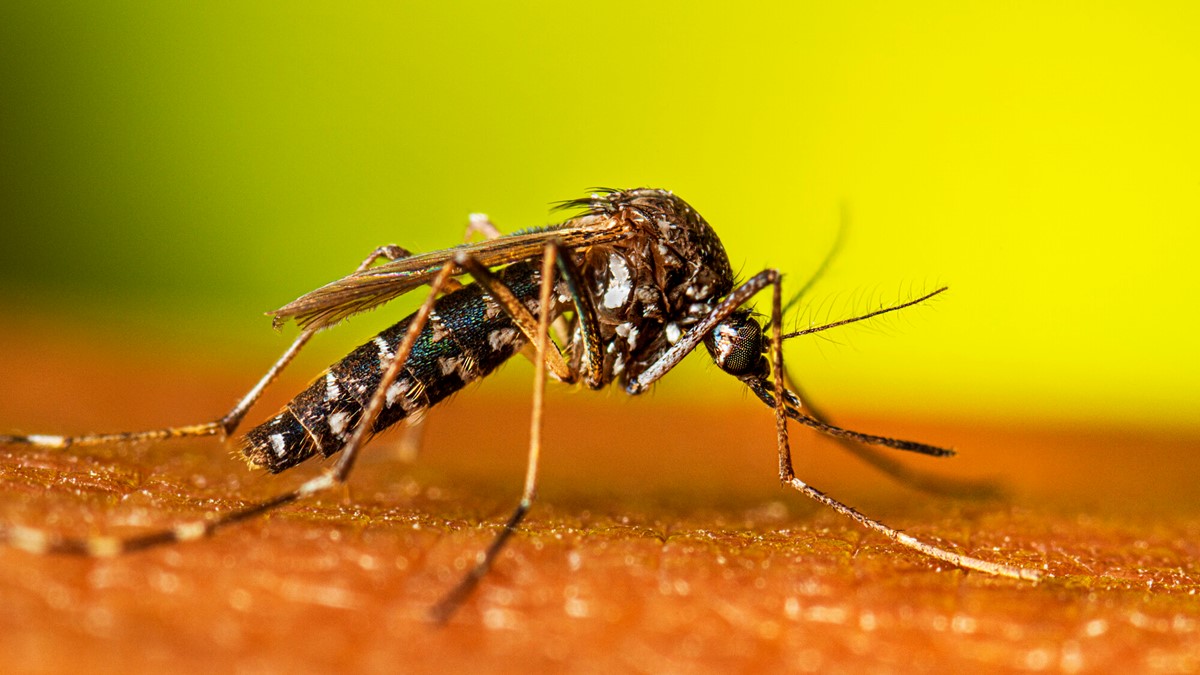
My case turned out to be one of hundreds in a rapidly growing local outbreak across Hillsborough County. Dengue fever is a viral infection caused by the dengue virus (DENV), which is spread by infected Aedes aegypti or Aedes albopictus mosquitoes to humans.
While many Floridians still view dengue fever as an abstract, tropical disease, increased travel and migration, intense urban density, and changing climate patterns have created ideal conditions for local transmission right here in Tampa Bay. My experience was a brutal awakening, not just to the severity of the virus, but to how quickly an invasive disease can establish a foothold in neighborhood microhabitats and how important fast collective action is for preventing the spread.
The Diagnosis Gap
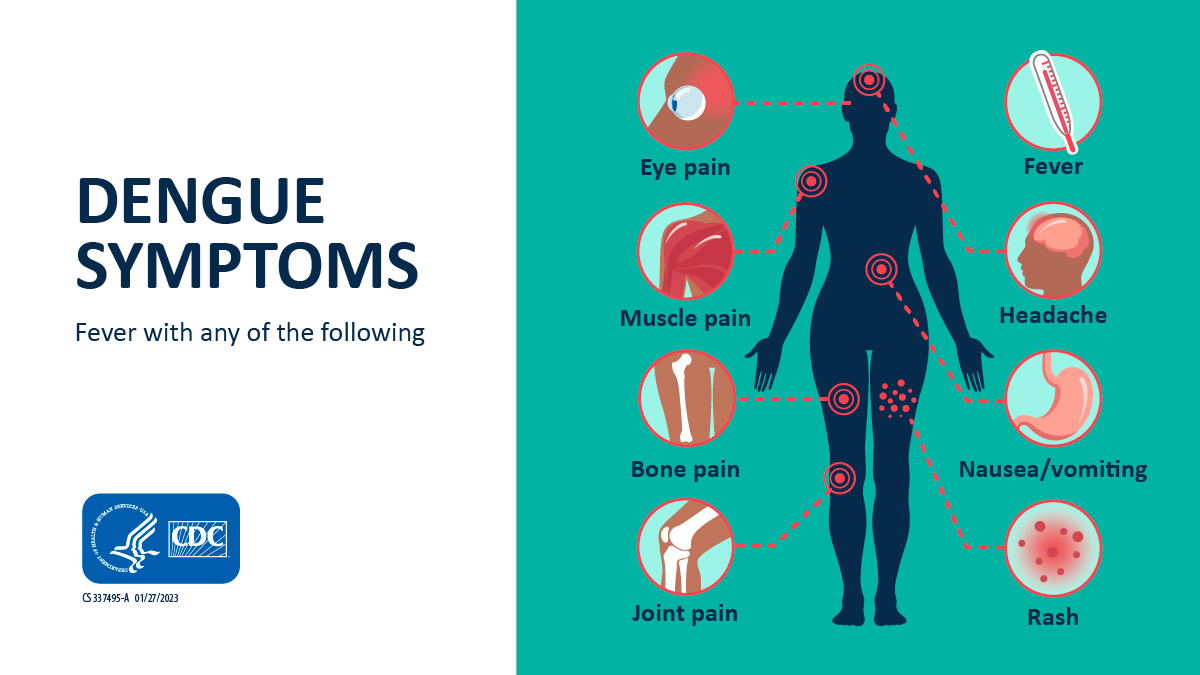
Tuesday August 4th – I developed symptoms incredibly quickly. At noon I felt entirely fine, if not a bit tired. By 4:00 p.m., a 100-degree fever hit alongside severe stomach pain and a headache. My partner and I hurried to the emergency room. In the four hours that we waited to be seen by a doctor, I learned why Dengue got the nickname “breakbone fever.” Pain seared from my ribcage all the way down to my knees. I couldn’t sit, stand, or lie still, desperately rocking on the waiting room floor and crying into my hands.
After hours of waiting, bloodwork, an ultrasound, an MRI, and a morphine drip, a physician discharged me at 2:00 a.m. He attributed my symptoms to a pre-existing ovarian teratoma, advising me to rest and take Tylenol.
Thursday, August 6th – My condition deteriorated. A burning rash broke out across my body, pain radiated behind my eyes, and I vomited uncontrollably. A visit to a second emergency room yielded the exact same result: a repeat of tests, another discharge, and the doctor once again attributing my severe symptoms to the teratoma. This time, I protested that a benign cyst does not cause a rash, fever, eye pain or vomiting. The doctor stated that I probably also had an unknown virus and urged me to rest and drink fluids.
Sunday, August 9th – I lost 15 pounds in less than a week, my eyes shone red from broken blood vessels, and I could not keep water down. I begged my partner for relief from the pain. In desperation, he carried me to the car and drove me to a women’s urgent care clinic, hoping that they could treat the teratoma.
After a few minutes in the women’s clinic waiting room, I began repeatedly vomiting into a brown paper bag I brought from home. Recognizing something was critically wrong, a nurse ran immediate blood tests that revealed alarming results. My platelet count had plummeted to 70,000 platelets per microliter (normal: 150,000-450,000) and my white blood cell count had dropped to 2,000 cells per microliter (normal: 4,500-11,000). Knowing that an ovarian cyst would elevate white blood cells rather than suppress them, the nurse expressed her astonishment that I was discharged a few days prior. She accompanied me in an ambulance back to the emergency room to advocate for my immediate admission to the hospital. When I was finally admitted at 4:00 a.m., the doctors still had no idea what was wrong with me.
My prolonged and painful path to diagnosis highlights a critical challenge facing Florida’s health system as vector-borne diseases return to the region. Dr. Sadie J. Ryan, Professor of Medical Geography at the University of Florida, notes that catching these cases early requires heightened clinical vigilance.
“Preparing point-of-care recognition – healthcare workers, clinics, hospitals, communities, need to be aware of dengue, know symptoms and signs, and how to order tests” – is a critical requirement for containing an outbreak, Dr. Ryan explains.
During scheduled checkup calls while I recovered, the Florida Department of Health (FDOH) assured me it has actively communicated dengue symptoms and testing information to local hospitals and healthcare workers since the first case was confirmed in the area. But because dengue has historically been viewed as a travel-related illness in the United States, emergency and clinical teams often do not immediately suspect local transmission when evaluating patients. In fact, many have never seen it. Several doctors commented that I was “the first person they had encountered with the disease.”
Further complicating this diagnostic hurdle is the virus’s hidden spread in the community. “Since 70 to 80% of cases are asymptomatic, or very low severity, what we see reported is a small fraction of what could be in the population during an outbreak event,” says Dr. Ryan.
In other words, the 250-plus confirmed cases in Florida are likely much higher. For every patient hospitalized and tested like me, hundreds more carry the virus with minimal symptoms, unknowingly providing a reservoir for local mosquitoes to bite and continue the cycle of transmission across the neighborhood. But Dr. Ryan reminds us that “not every bite is infectious, and not all mosquitoes transmit diseases.”
Why Tampa Bay, Why Now?
Tuesday, August 11th – After being admitted to the hospital, I was seen by gastroenterologists, an oncologist, a gynecologist, several attending physicians, and countless nurses. Their hypotheses ranged from cancer and autoimmune disease to ovarian torsion and allergic reactions. This morning, however, I heard certainty for the first time in an infectious disease doctor’s voice. “I think you have dengue. It’s here in Florida, did you know?” She explained that I likely contracted it from a mosquito bite, and that there is no treatment.
After she left the room, I closed my sore eyes against the harsh fluorescent lighting. I repeated her words: Dengue? In Tampa? I pulled out my phone and searched the news. I saw a headline: “10 locally acquired cases of dengue in Florida.” I assumed that meant I was case number 11.
The infectious disease doctor also told me that symptoms usually begin 5 to 10 days after an infectious bite. My mind raced back to five days before I got sick. I remembered several itchy mosquito bites on my ankle while I sat on my porch reading.
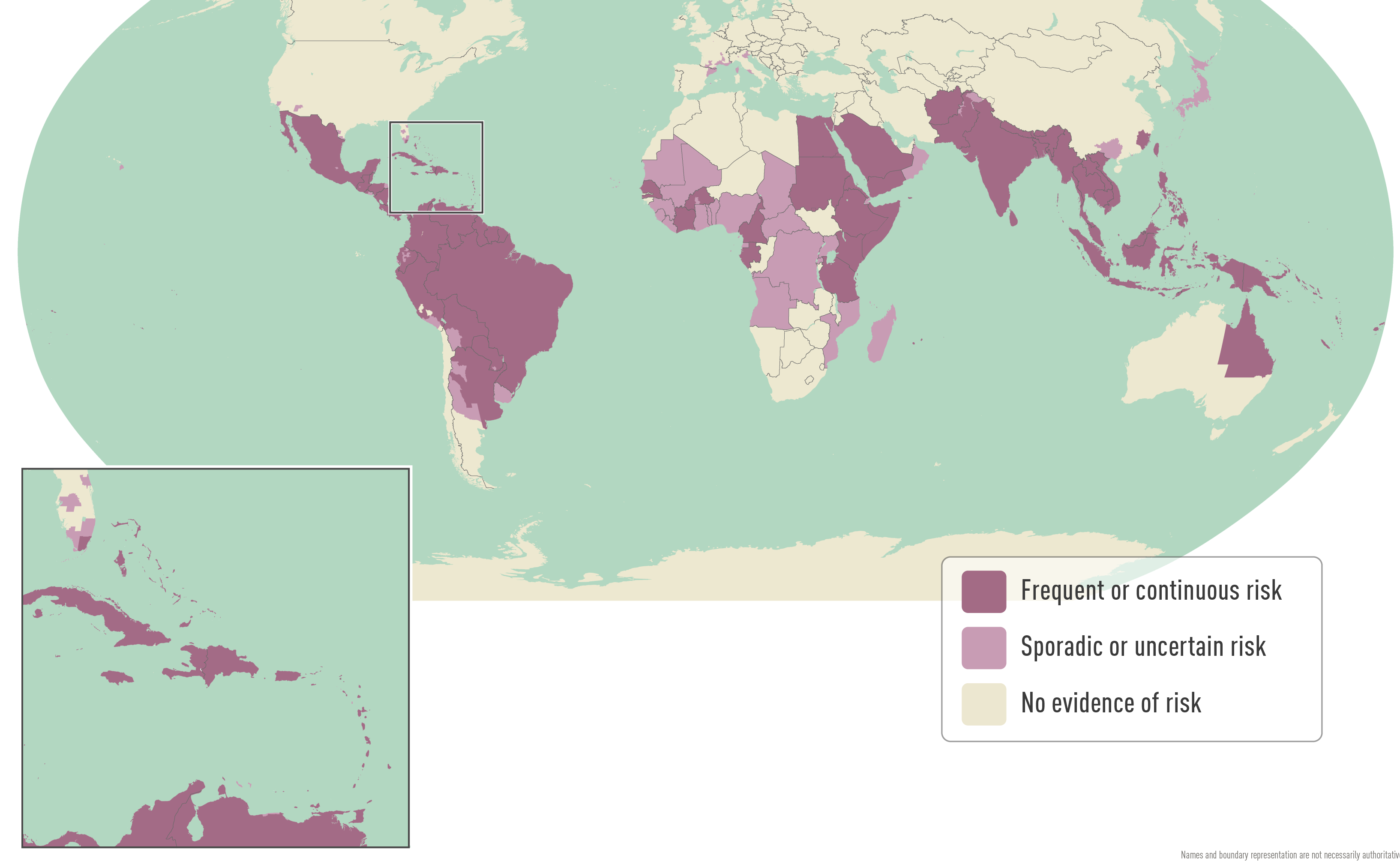
To understand how dengue got to Florida and arrived on my front porch, I spoke with Gabriela Henderson, the Community Relations Coordinator for Hillsborough County Mosquito Management. She explained that the first case of dengue in Hillsborough County “was likely brought here by someone traveling from a place where the virus is endemic, such as Africa, the Caribbean, Central and South America and Asia, or somewhere that is currently experiencing an outbreak.” The traveler returned home and passed the virus to a mosquito and that mosquito infected other people. Dengue can only be acquired through mosquito bites; it is not transmissible from person to person.
Dr. Ryan, the UF professor with more than a decade of experience working with vector-borne illnesses, confirms Henderson’s theory, stating “both the virus and the vector have traveled as a result of anthropogenic globalization,” which is often categorized as an increase in shipping, travel, and migration. As an international travel hub anchored by a major airport and shipping port, Tampa is ideal for dengue introduction and additional cases to occur.
In addition to human movement, Henderson also reported factors that exacerbated the initial spread from the traveler to other residents in the East Tampa neighborhoods of Ybor City and Seminole Heights where I live.
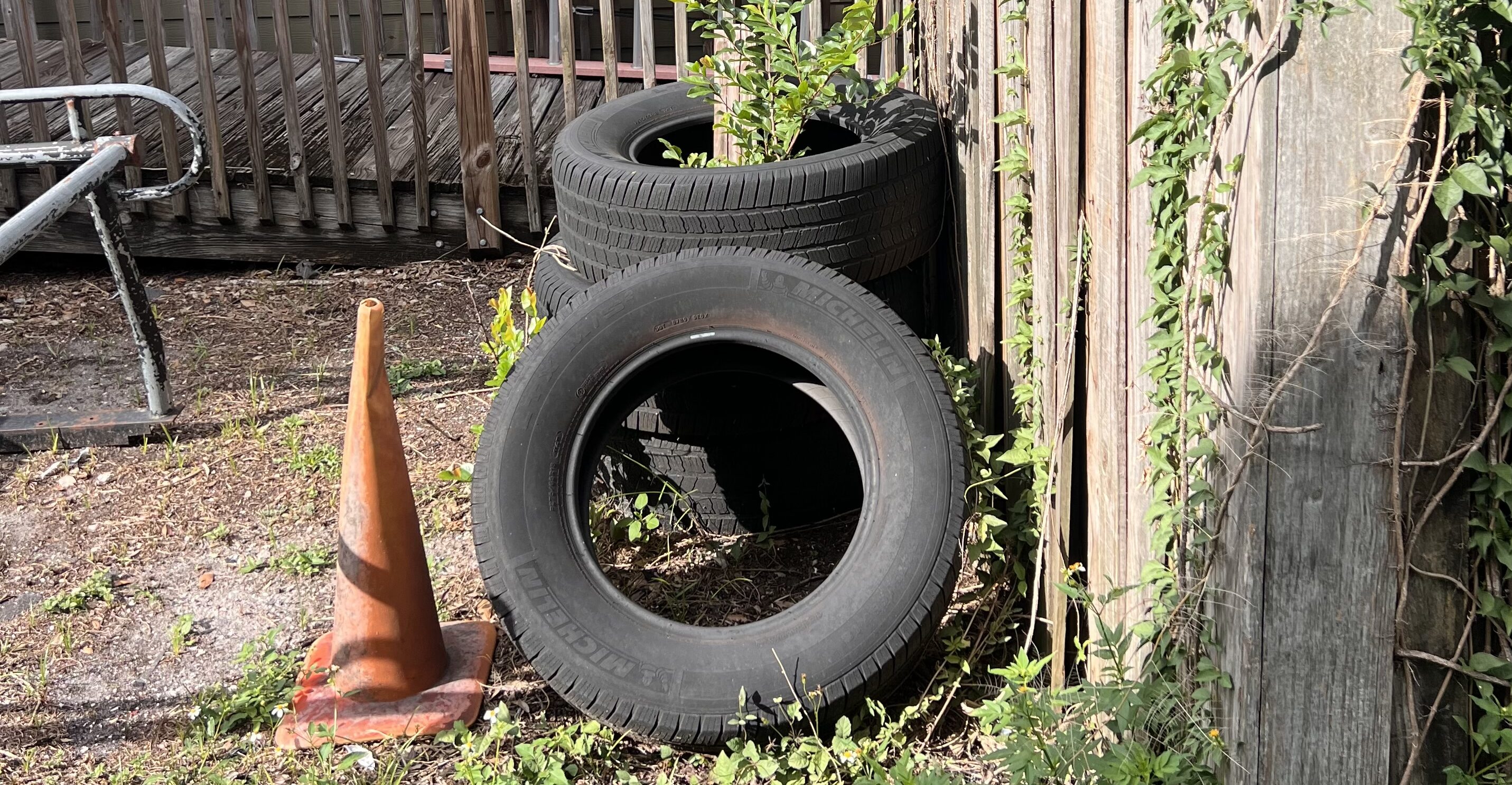
“There are a lot of people in close quarters, it has been particularly hot, and the area has a lot of businesses and tire shops,” she said. “Tires are the best nursery for mosquitoes because, unless they are punctured, they hold enough water for mosquitoes to go through their whole life cycle.”
The bite I got on my porch was likely from Aedes aegypti or Aedes albopictus, two key invasive mosquito species that can transmit dengue. Henderson referred to them as “ankle bitters that fly low and predominantly bite humans.”
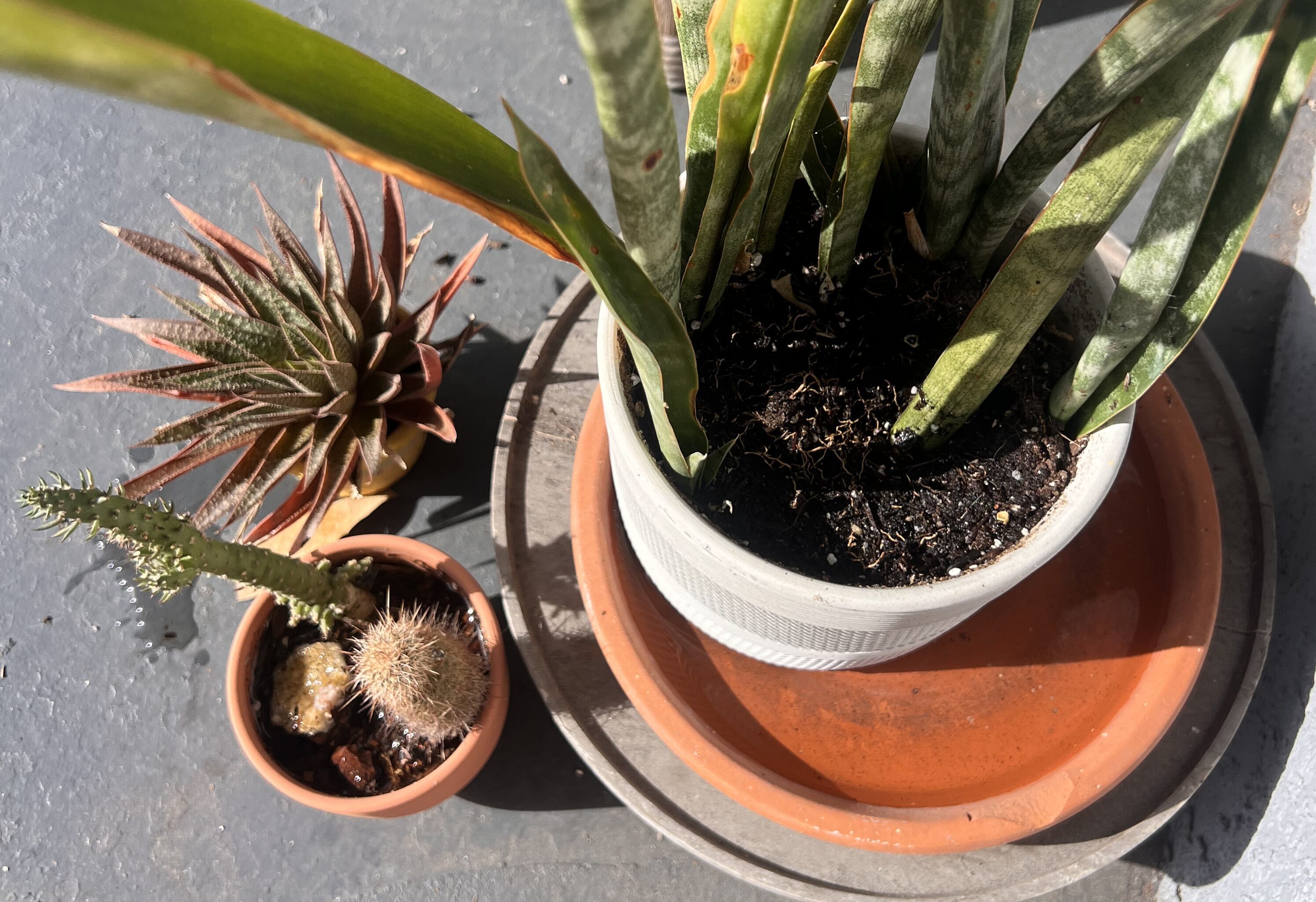
Unlike marsh mosquitoes that breed in expansive open waters, Aedes aegypti and Aedes albopictus are container breeders that thrive in urban settings.They deposit their eggs in artificial vessels containing water, much like the terracotta plant saucers on my front porch or the spare tires in my community. These vessels then become microhabitats. Dr. Ryan notes that Aedes species can breed in “water as little as a bottle cap.”
“The gradual process of global warming, overlaid with anthropogenically generated climate extremes, are important for dengue transmission,” according to Dr. Ryan. In Tampa, this means environmental conditions such as heavier rainfall and warmer temperatures affect mosquito life cycles and may also have contributed to the initial spread.
“Rainfall or artificial water sources such as irrigation provide egg-laying opportunities that are necessary to start the mosquito life cycle,” explains Dr. Ryan. “Extreme rainfall events can play two kinds of roles for this – too much rain may wash away egg-laying sites entirely, flushing out the mosquito habitat or it may linger in unexpected places,” and provide a safe home for mosquitoes.
Warmer temperatures speed up mosquito development. For example, the Aedes aegypti transition from egg to biting adult is shortened to just four or five days in the hot summer months, according to Henderson.
“Tampa Bay is a part of Florida that sees suitable temperatures for dengue transmission for several months of the year,” states Dr. Ryan. But warmer temperatures threaten to make Florida’s mosquito problems worse by expanding the transmission window.
Dr. Ryan explains that in Florida, we see an increasing northward shift in longer seasons with suitable temperatures. Two varieties of mosquitos the dengue virus: Aedes albopictus, which tolerates cooler conditions, may experience suitable transmission temperatures nearly year-round in Central Florida, while the warmer-suited Aedes aegypti may only live four to five months.
Dr. Ryan’s work explores the relationship between climate change and the global expansion of Aedes-born viruses to enhance public health preparedness.
The Public Health Response
Wednesday, August 12 – One day after speaking to the infectious disease doctor, my blood was collected and sent out for viral dengue testing. The phlebotomist reminded me that the results will likely take a couple of days. In the afternoon, after a nice bowl of chicken noodle soup, I received the first Hillsborough County text alert warning about the threat of mosquito-borne illnesses in my area.
“Florida is something of a pioneer in response to vector-borne disease outbreaks,” Dr. Ryan states, citing robust surveillance, coordinated response efforts, and strong mosquito control. She notes that “while the climate and environment may promote the increased risk of outbreaks, the prevention and response needed will likely increase in step with it.”
Hillsborough County leads these efforts. According to Henderson, regardless of an outbreak, Hillsborough County Mosquito Management sets year-round mosquito traps to collect data and test mosquitoes. The traps are designed to attract human-biting mosquitoes and simulate our scent and CO2 production utilizing dry ice. A fan sucks insects into a trap, and the mosquitoes are collected regularly. They are grouped into mosquito pools, or samples of up to 25 mosquitoes, that are sent out for viral testing.
When I interviewed Henderson on September 17, 2026, county testing had identified 14 dengue-positive pools in Tampa. Henderson said that it was like “finding a needle in a haystack.” To put it in context, Henderson shared that it has been 100 years since Tampa Bay had a confirmed case of dengue and the county had not detected a positive mosquito pool for 15 years (the pool tested positive for West Nile Virus, a different vector-borne illness).
Once finding a positive pool or hearing about a suspected case of a viral-borne disease from the Florida Department of Health, the County follows a series of steps to begin combating the spread. Sometimes, this process occurs before the case is confirmed, because dengue testing can take several days to deliver results.
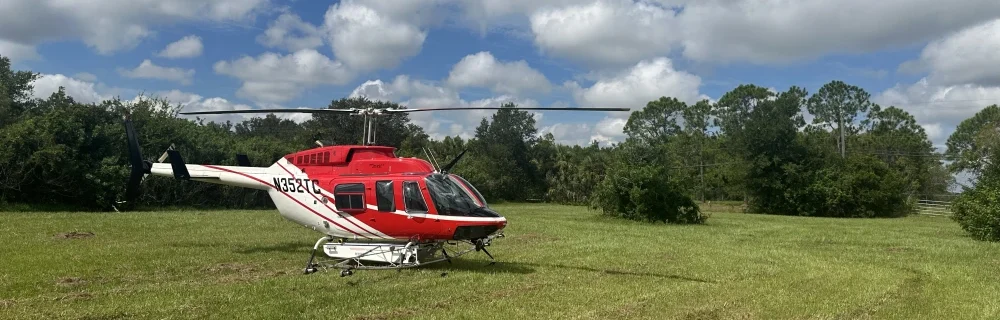
First, the County conducts nighttime adulticiding for at least three nights. To target adult mosquitoes that may be spreading the disease, spray trucks and helicopters apply Ultra-Low Volume (ULV) adulticide between sunset and sunrise. ULV technology breaks the product into fine droplets, dispersing approximately one ounce of chemical over an entire football field. Overnight timing ensures maximum contact with host-seeking mosquitoes while protecting non-target diurnal pollinators like bees and butterflies.
Second, the County conducts daytime aerial larviciding to eliminate mosquito larvae. Low-flying helicopters deploy Vectobac or G30, consisting of corn cob granules infused with Bacillus thuringiensis israelensis (Bti). Bti is a naturally occurring soil bacterium toxic that is toxic to mosquito larvae when ingested, leaving birds, fish, and mammals unharmed. Aerial application allows mosquito control to reach enclosed backyards and drainage swales that ground crews cannot access directly.
Henderson assured me that both treatments are U.S. Environmental Protection Agency approved and safe for humans and pets. She implored residents to remember that Hillsborough County employees “live here too,” stating that they “would never spray anything harmful near their homes.”
Finally, the County ramps up its trapping efforts and public outreach. If traps catch mosquitoes that test positive, they adjust their strategy accordingly.
Henderson reminds us that mosquitoes do not recognize municipal or county boundaries. She underscores that regional coordination is critical for effective disease containment. Hillsborough County Mosquito Management collaborates closely with neighboring Pasco and Manatee counties, sharing pilots, aircraft and field personnel to manage treatment missions.
Moving Forward & Prevention:
Saturday, September 3rd – I remained tired and sore for weeks after being discharged. A doctor that I saw at one of my ten follow-up appointments explained that the fatigue and pain are expected to last for months. He also said that the dengue virus has four distinct serotypes and while I have lifetime immunity to the strain that I had (DENV-2), catching one of the other strains in the future could be fatal. Although I know that no other strains currently exist in Florida, I am afraid to go outside, and when I need to, I wear a full-length rain jacket. In the afternoon, another Hillsborough County text alert told me they planned treatment for my community. I have seen several of the red Hillsborough County helicopters since and spraying has continued for weeks. I am happy to report that I have seen a significant reduction of mosquitoes in my neighborhood.
Henderson concludes our conversation by saying her team is doing everything it can. Hillsborough is a big place, and despite extensive treatments, county staff are not capable of addressing all neighborhood microhabitats and potential mosquito breeding grounds. “We need help and want people to take this seriously,” said Henderson.
She stressed the importance of Tampa Bay residents helping prevent mosquito-borne illness by paying attention to their surroundings, dumping standing water regularly (at least every other day), and wearing protective clothing or EPA-approved mosquito repellent when outdoors.
More Information:
How can I protect my yard from mosquitoes?
Be sure to drain and/or remove any sources of standing water, such as yard debris, gutters, old tires, and plant pots. Rather than applying pesticides, which only temporarily reduce mosquitoes but can also harm important pollinators, try making your own ‘bucket of doom’ using a bucket, water, yard debris, and mosquito dunks to kill mosquitoes at the larval stage. This UF/IFAS article provides helpful information about mosquito control.
How can I protect myself from dengue?
Besides dumping all sources of standing water, there are a few steps you can take to reduce mosquito bites outdoors. Dress in light-colored, loose-fitting long sleeves and pants with closed-toe shoes and socks. Wear EPA-approved repellent, such as those containing DEET and picaridin.
Who should I call if I think I have contracted dengue fever?
Contact your county health department, https://www.floridahealth.gov/community-environmental-public-health/community-health/county-health-departments/county-health-department-location-finder/
Who should I call to report standing water or another violation that might provide habitat for mosquitoes?
Call code enforcement for your city or county.
Where can I go for more information about mosquito management in my community?
Your local mosquito control district can answer any questions you may have, https://www.fdacs.gov/Business-Services/Mosquito-Control/Mosquito-Control-Programs
How do I know if they are spraying in my community?
- Hillsborough County Mosquito Spraying Map
- Pinellas County Mosquito Spraying Map
Originally published October 9, 2026
Opinion – This article does not represent the views or opinions of Bay Soundings or the Tampa Bay Regional Planning Council.