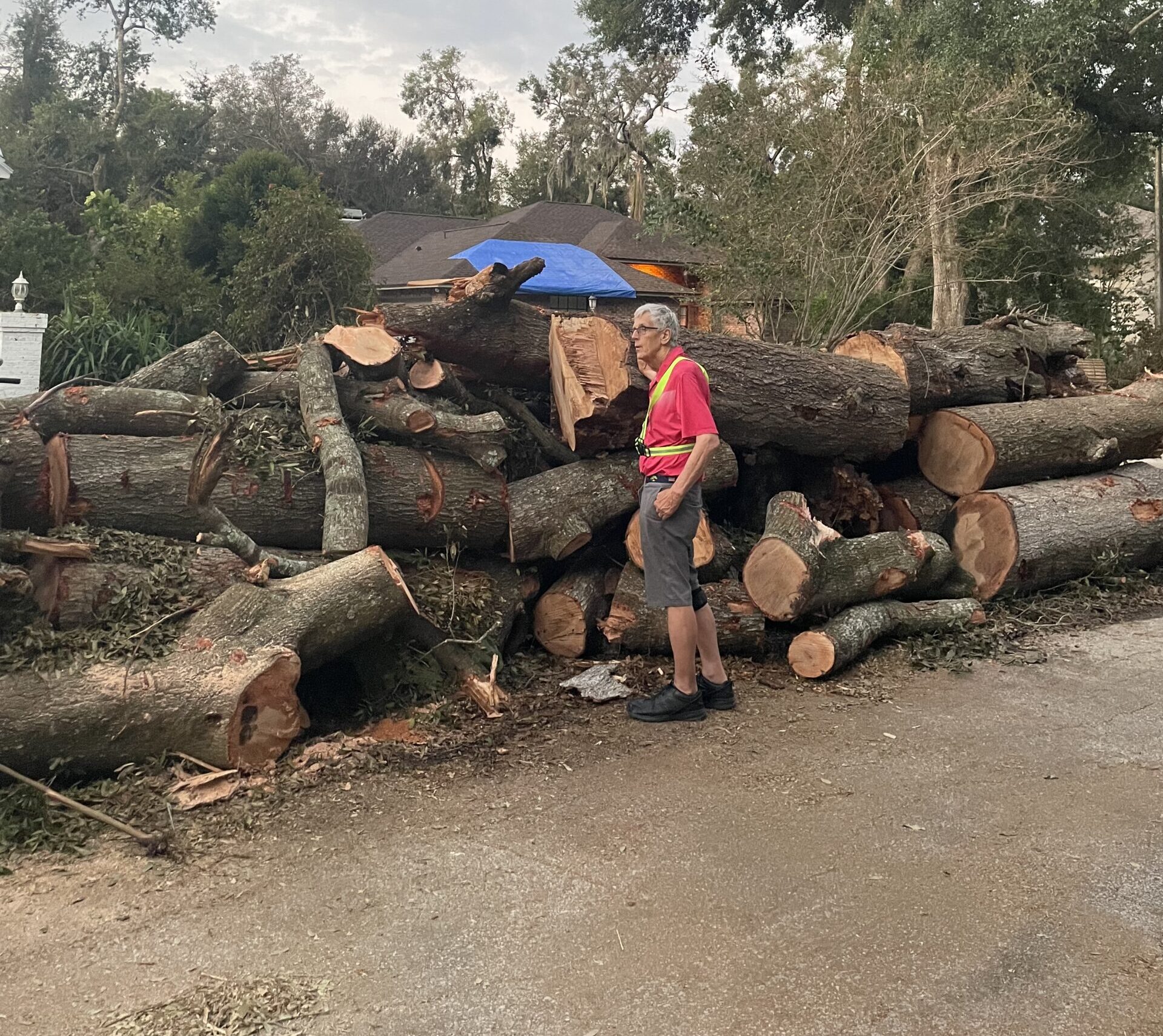
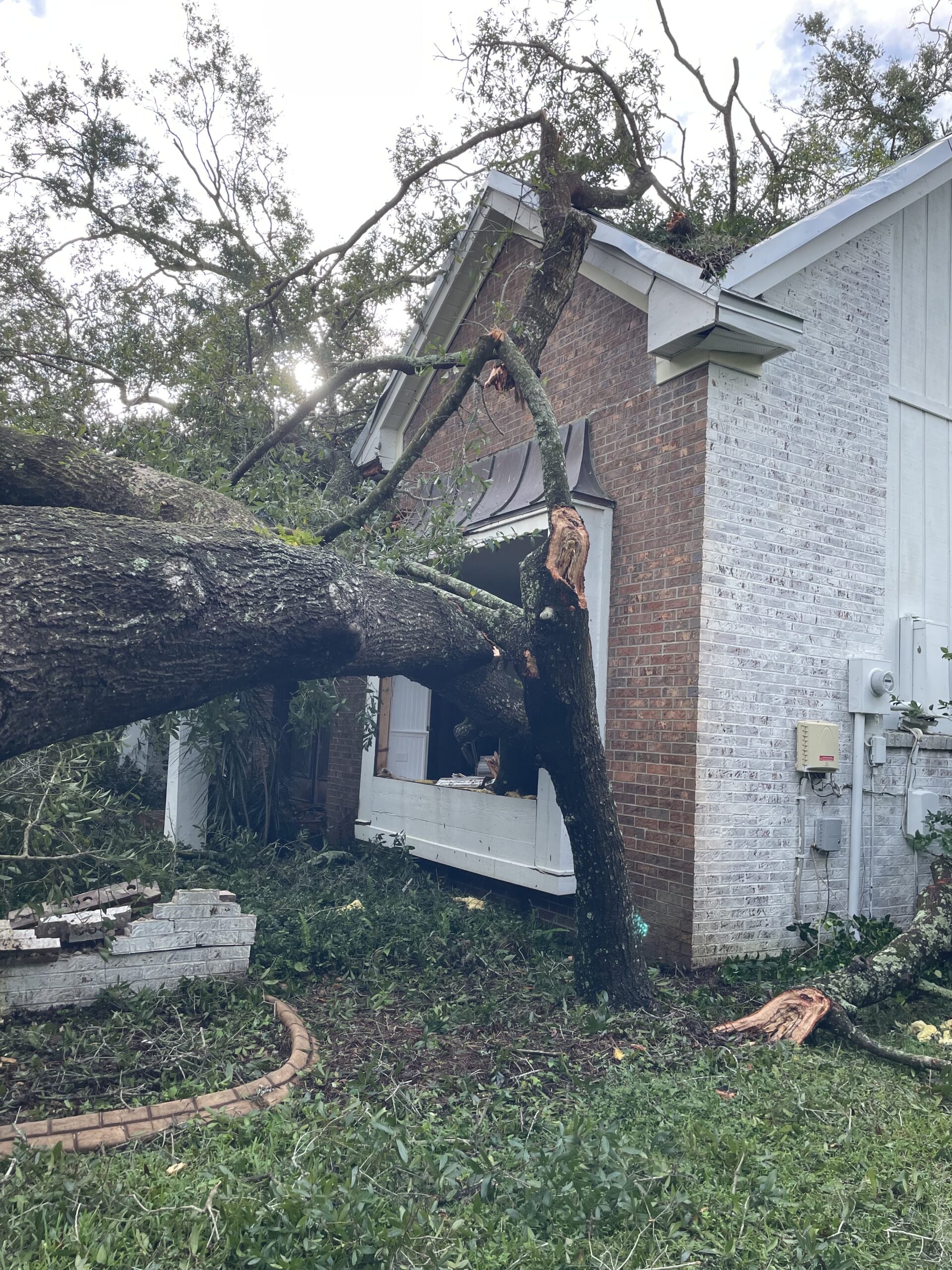
As homeowners across Tampa Bay dig out from three hurricanes in a row, Emily Fournier sees a trend that could be nearly as damaging to the region’s ecosystems.
“People are looking at their trees and cutting them down, even if they’re still healthy because they see the damage in their neighbors’ yards,” said Fournier, owner of Old Florida Gardens, a native Florida garden design company based in central Florida. “Most healthy trees are still standing, and those homeowners who don’t remove them will be glad to have the shade again next summer.”
In many cases, it’s the older neighborhoods planted with laurel oaks that saw the most damage. “Some – but not all – laurel oaks should be cut down or trimmed way back,” she said. “Unlike live oaks, which can live for centuries, laurel oaks have an expected lifespan of 50 to 75 years. But when people see giant oak trees toppled over, they don’t necessarily differentiate between species.”
Fournier persuaded her client, Johanna Powell, not to chop down her laurel oaks even though her quiet cul-de-sac in Brandon was difficult to navigate after Hurricane Milton because of all the downed trees lining sidewalks and overflowing into the street. “She needs to make sure an arborist sees them regularly, and some branches may need trimming, but her laurel oaks are still healthy now and are an important part of the ecosystem.”
Her neighbors’ trees fell, however, and Powell suddenly faces a sunny front yard instead of the deep shade she enjoyed before Hurricane Milton. Following Fournier’s advice, she’s planning to plant a live oak in one of newly sunny spots so that when her laurel oaks do succumb to old age, she’ll still have the shade she wants values.
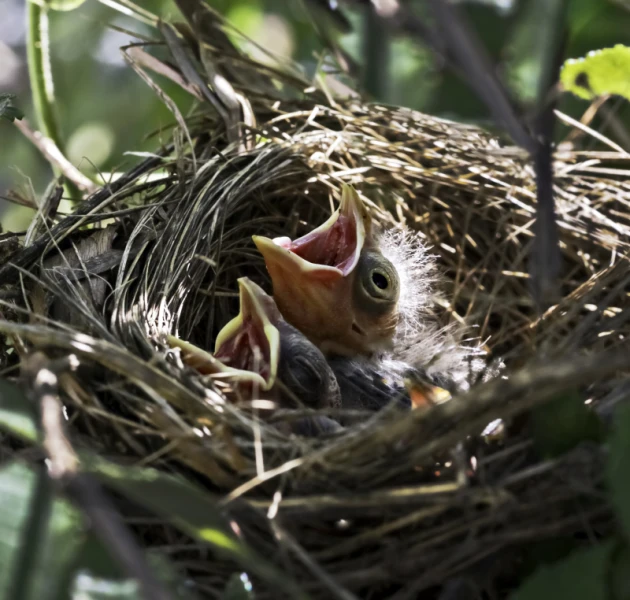
Oak trees, in particular, are critically important to wildlife because they host so many insects that birds depend upon when they are raising their young, notes Ann Paul, president of the Tampa Audubon Society. “For instance, a pair of nesting chickadees needs more than 5,000 caterpillars to raise one clutch of chicks. Oaks also attract migrating songbirds like warblers and tanagers and their acorns are valuable to many birds and mammals.”
Even before Milton, tree canopy in Tampa had been declining, according to a 2021 report that detailed losses of more than 30% since 2011 — equal to an area four times the size of Davis Islands. “There was a lot of damage in 2024, but it was the legacy of bad ideas,” said Shawn Landry, a professor at the University of South Florida (USF), who directed the study. “Trees like laurel oaks, which aren’t wind resistant, were planted. When they blew down, people’s perception of trees changed.”
Prior to the hurricanes, 92% of residents said trees were very important, adds Rebecca Zarger, a USF environmental anthropologist who also participated in the study. “The hurricanes can be an impetus for change, for the good or the bad. We need to plant the right tree in the right place, and then look at ways to support residents in maintaining those trees.”
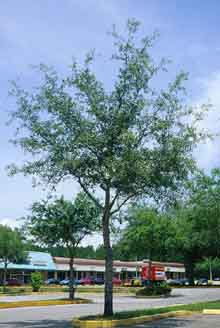
While nothing can replace a 50-year-old oak tree after it’s blown down, experts recommend planting live oaks even though they grow more slowly than the laurels, and landscaping with native plants in spots that are currently sunny to help make up for the habitat loss of the trees downed during the 2024 hurricanes. Some plants — like coonties, coral beans, native salvia, many viburnums and cassias, and even some native berries — will thrive in sun or shade, so they’ll continue to grow even as the live oak creates more shade.
The University of Florida’s Urban Forest Hurricane Recovery Program has a website specifically created to help protect and rebuild urban forests. It was originally created in 1992 after Hurricane Andrew struck south Florida. Since then, they’ve studied more than 150 urban tree species to determine what makes a tree more wind resistant and created comprehensive presentations on trees with the highest wind resistance – and the lowest.
Several oaks, including live oak, turkey oak and myrtle oak, were identified as highly wind resistant, along with three holly species and magnolias. Some trees, like native elms, maples and sycamore, are on the medium-low resistance scale and should be planted near structures cautiously.
“After these storms, I get why people are afraid of big trees,” Fournier said. “But they’re going to miss them – they won’t get the shade, they won’t get the birds and the other wildlife. This was such a rare hurricane season that writing off trees, particularly oak trees, will be a mistake I think they’ll live to regret.”
Originally published January 21, 2025