Hurricane season officially began on June 1st, and as people around Tampa Bay prepare mentally and physically for the months ahead, it’s time to reassess the region’s most undervalued assets: trees.
While often seen as hazards during high winds, trees can be powerful allies in disaster resilience when properly chosen and managed. Community assets are commonly defined as the people, organizations, spaces, and resources that make a place healthier, safer, and more livable. Trees meet the criteria in both everyday life and during extreme weather events. The key is to understand how to manage them wisely so that they serve as protectors rather than threats.
Reframing Trees at the Resiliency Summit
At the fifth annual Regional Resiliency Summit, held May 15–16 by the Tampa Bay Regional Planning Council (TBRPC), community assets were a central focus. Leaders discussed strategies to adapt to the growing challenges of climate change, including more frequent and severe storms, like those seen in 2024.
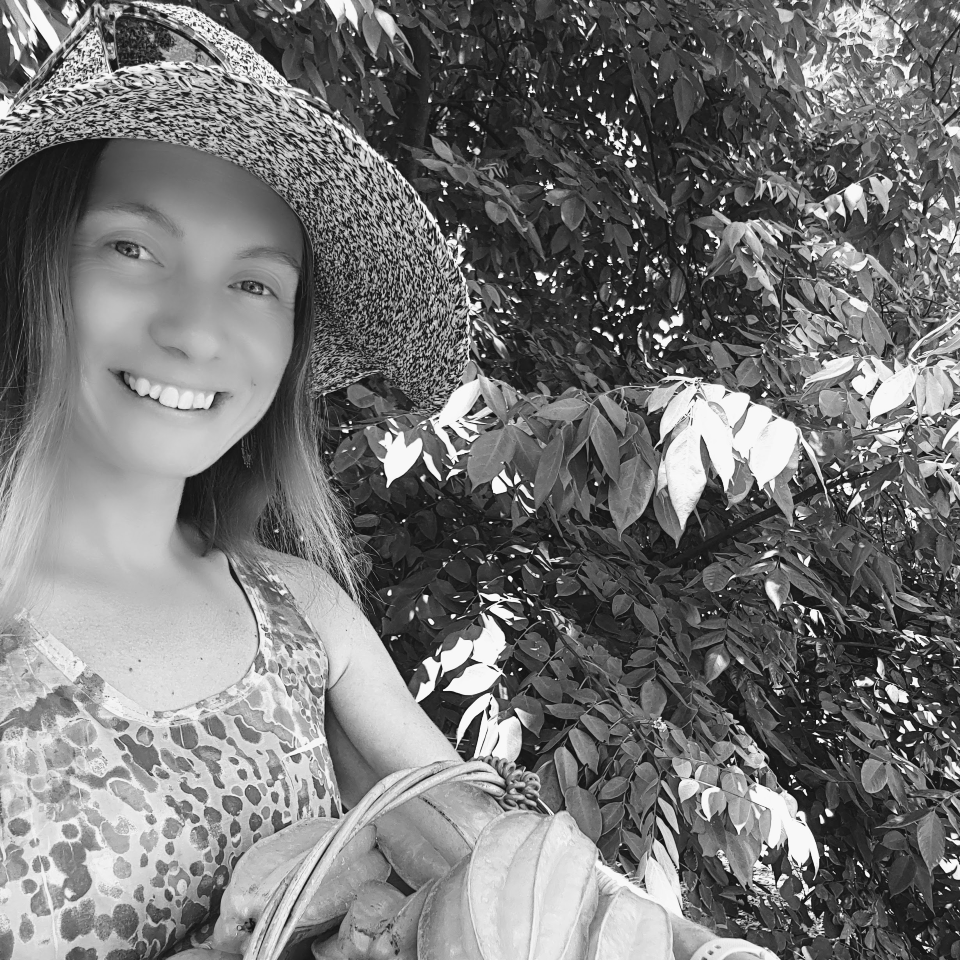
One influential voice in the conversation was Alyssa Vinson, UF/IFAS (University of Florida Institute of Food and Agricultural Sciences) Extension Agent for Hillsborough County, who moderated a panel on urban forests and regional resilience. She emphasized how under-resourced communities often have not only fewer trees but also older and poorly maintained ones, which increases both their physical vulnerability and the likelihood of tree removals after storms.
“This is a feedback loop,” Vinson explained. “These communities with fewer resources and fewer trees also have higher temperatures, which can increase health risks like cardiovascular disease, asthma and stress-related disorders.”
The Hidden Strength of Trees
Beyond public health, the urban forest provides tangible infrastructure benefits. Shade from trees reduces road surface temperatures, minimizing UV damage and prolonging the lifespan of roadways. “While tree roots can sometimes interfere with sidewalks or driveways, the overall benefit to public infrastructure can’t be ignored,” said Vinson.
Well-maintained urban trees offer a wide range of additional benefits, including:
Health & Wellbeing
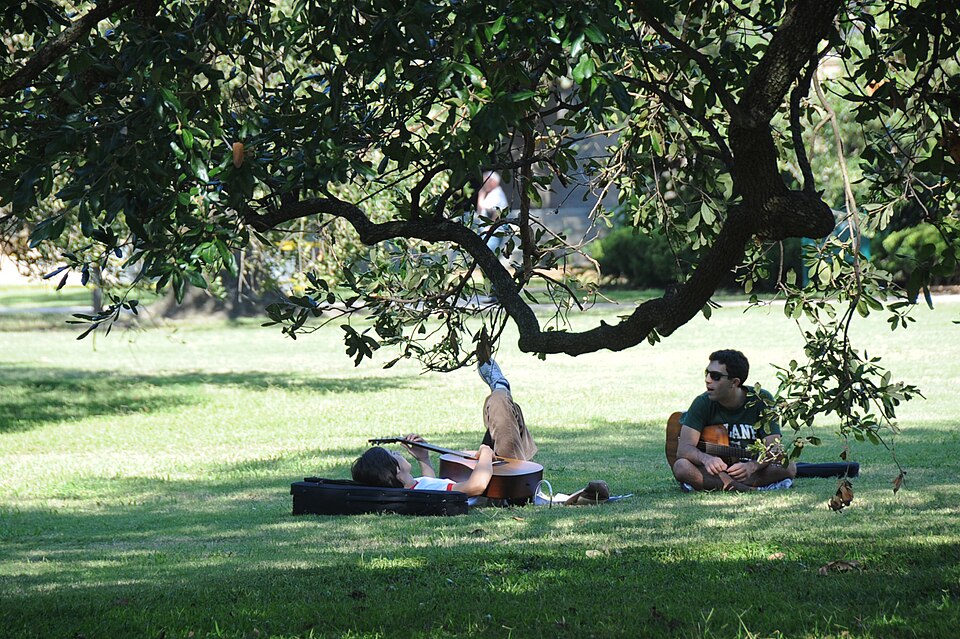
- Improved mental health: Trees help reduce symptoms of depression, ADHD, and stress-related disorders like hypertension.
- Lower healthcare costs: Tree canopies trap particulate matter such as pollen and pollution, reducing associated healthcare costs.
Safety & Social Stability
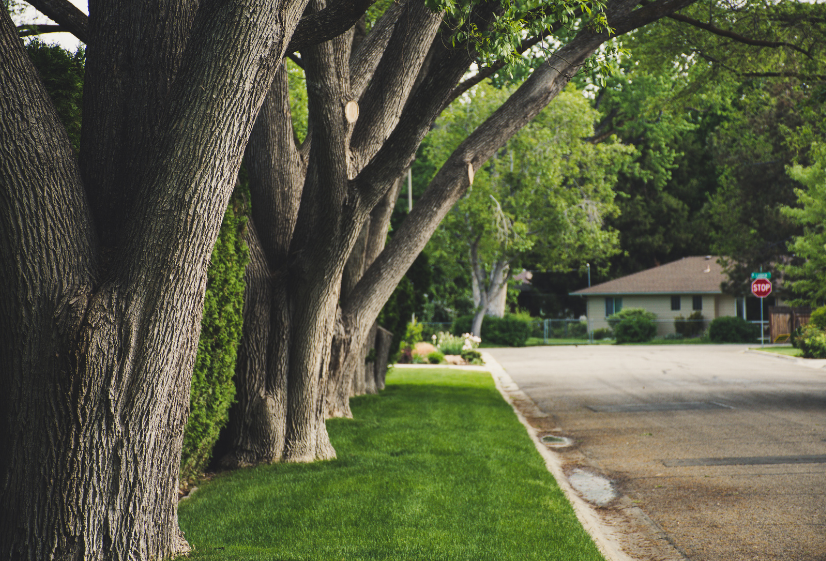
- Traffic calming: Drivers tend to reduce speed in tree-lined neighborhoods.
- Reduced crime: Neighborhoods with more canopy cover often see lower crime rates.
Environmental & Infrastructure Support
- Stormwater absorption: Trees reduce flooding by capturing and storing rainwater.
- Wind buffering: Dense, well-planted canopies can help absorb wind energy.
- Soil and water quality: Trees reduce erosion, filter water, and enrich soil.
Shifting our mindset about trees—from aesthetic additions or storm risks to critical urban infrastructure—can transform the way we prepare for disaster. Vinson and her colleagues argue that trees should be managed in the same way as roads, bridges, and stormwater systems: as essential to a functioning and resilient city.
Planning for Resilience: What Works
To maximize their benefits, trees must be planted and maintained with purpose. Vinson referenced UF/IFAS’s “Hurricane-Resistant Tree Tips,” which include:
- Right Tree, Right Place: Choose species appropriate to the site, with enough space to grow above and below ground.
- Wind-resistant species: Some trees are naturally more resilient; a list is available from UF/IFAS.
- Routine maintenance: Prune weak or dead branches regularly.
- Trees in Threes (or more): Group plantings offer mutual protection and stability.
“More municipalities are interested in recognizing trees as assets, especially as it’s become easier to measure stormwater mitigation or urban heat reduction by species and canopy size,” Vinson said.
But Tampa Bay has a long way to go. In many cities globally, urban forests are treated as infrastructure and funded accordingly. In our region, this remains the exception rather than the rule.
Beyond the Physical: The Emotional and Cultural Power of Trees
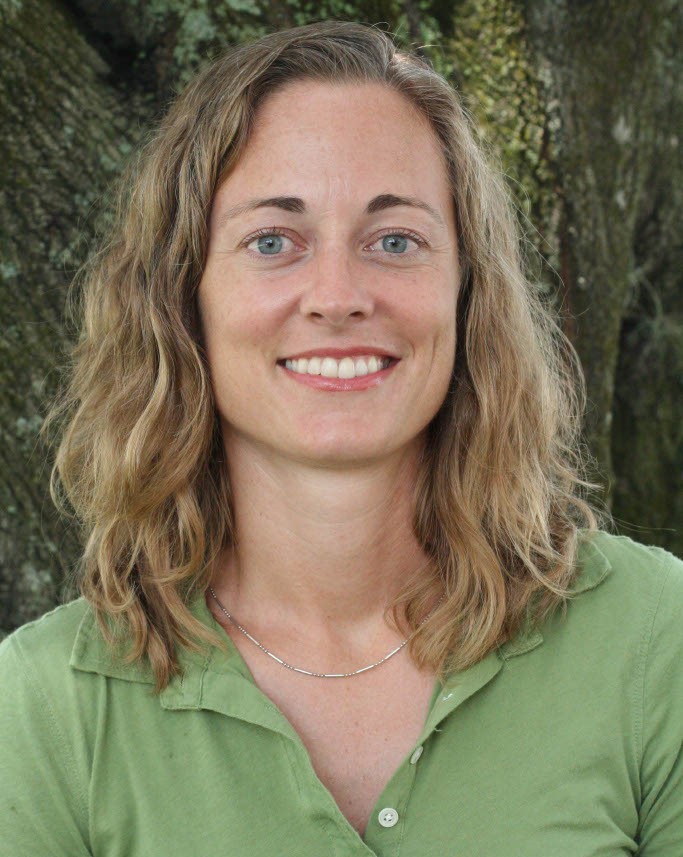
The conversation around trees isn’t just scientific or practical—it’s deeply personal. Rebecca Zarger, an associate professor in the Department of Anthropology at the University of South Florida and another panelist at the Regional Resiliency Summit, emphasized this emotional dimension.
“People feel very strongly about trees,” said Zarger. “Especially after hurricanes, many people associate them with danger. But that fear often overshadows the reality—millions of trees stood strong through 2024’s unprecedented storms.”
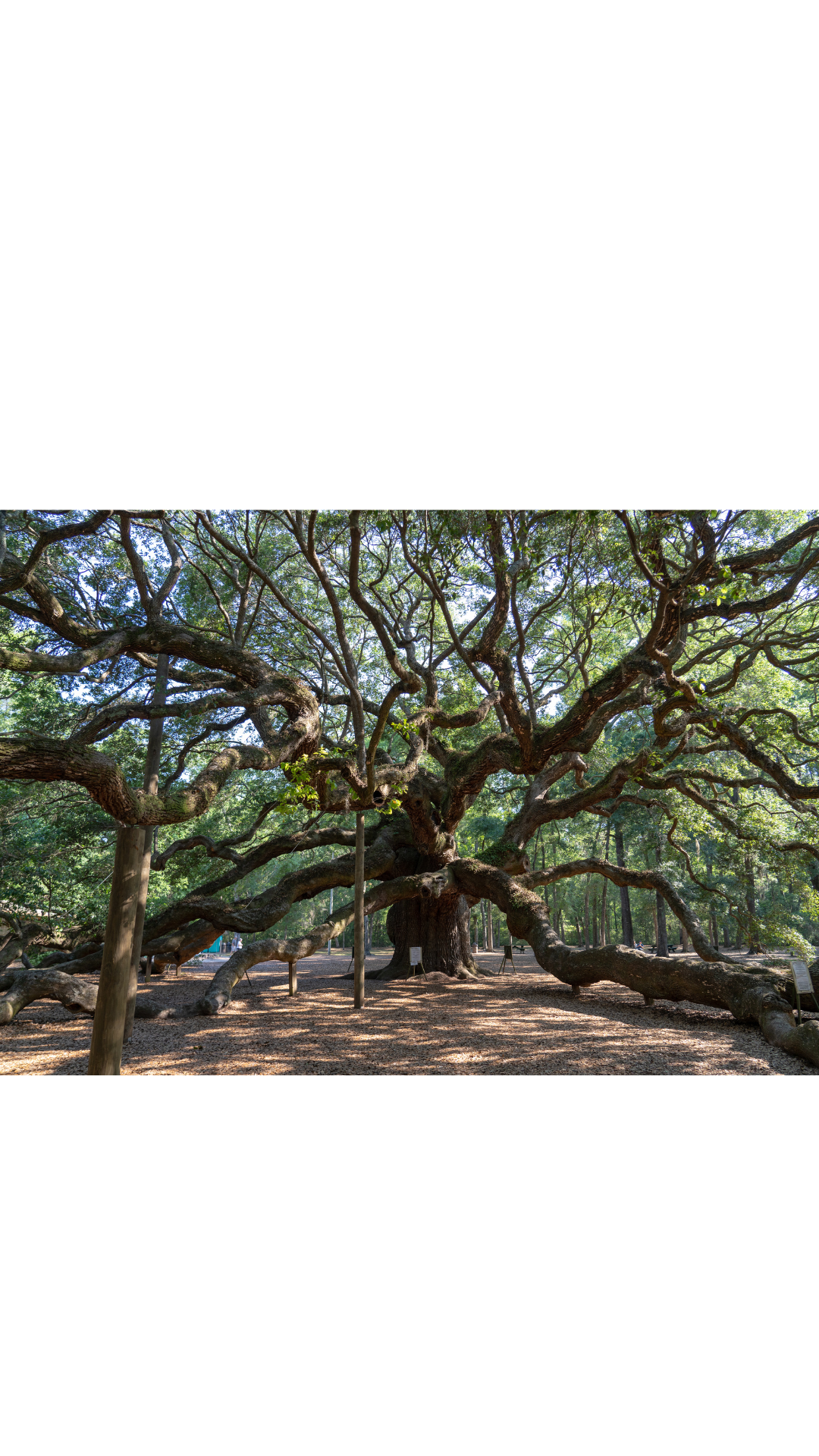
Trees also carry cultural weight. They help shape a community’s identity and provide a sense of place. “They’re part of folklore, religion, and childhood memories. They help people feel rooted in place,” said Vinson. “We even use trees as metaphors for human resilience: flexible like a willow, strong like an oak.”
Many people choose to live in Florida because of the connection they feel to its natural landscape, despite the risk of storms. That emotional and ecological bond should guide our preparations—not just for the coming hurricane season, but for the long-term health and resilience of our communities.
So as we trim branches and stock emergency kits, let’s also invest in the long game. Let’s reframe trees not as liabilities to be feared, but as allies to be nurtured.
By Mesly Mata, originally published July 7, 2025