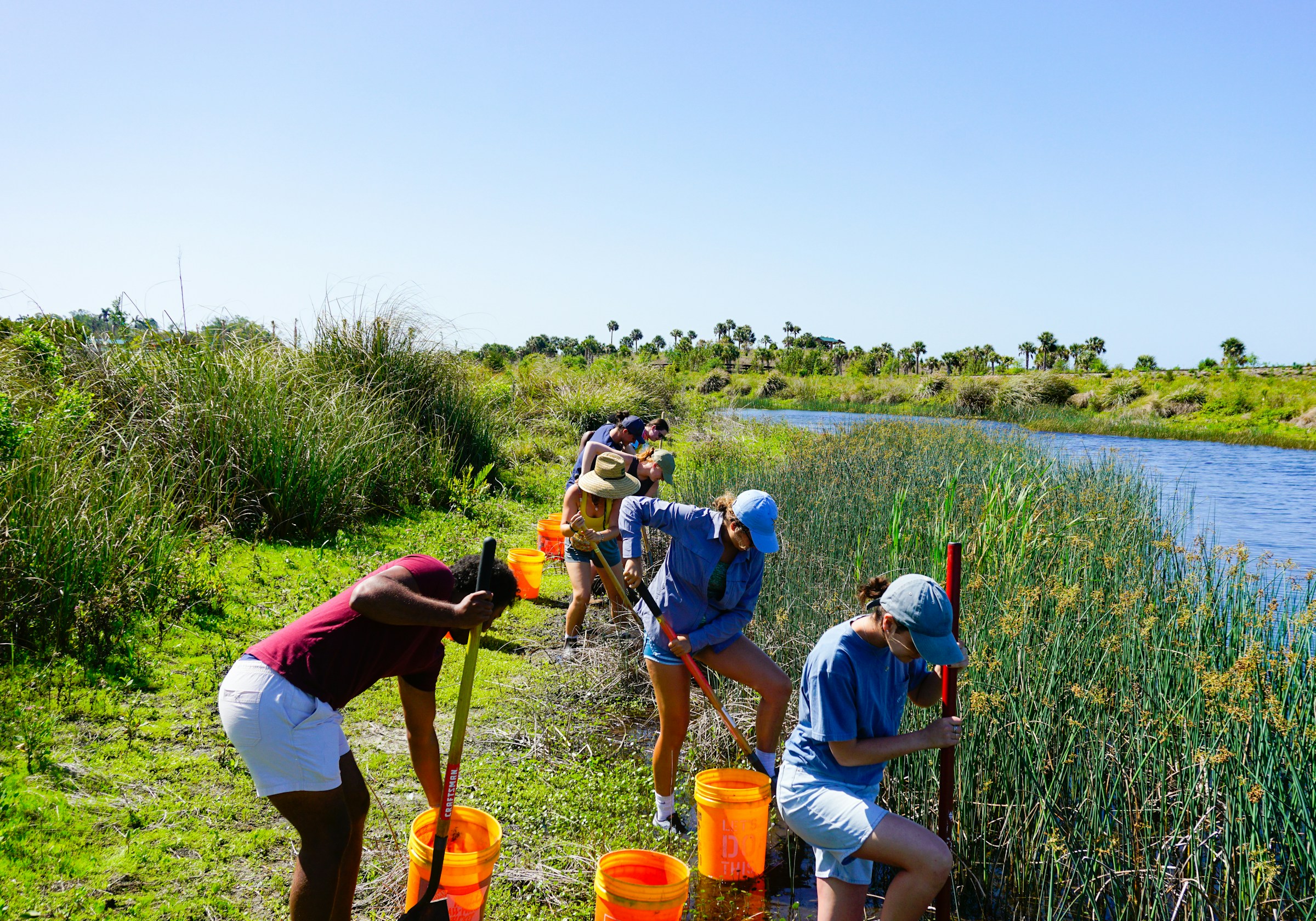

A new initiative aims to make permitting easier for living shorelines and other nature-based solutions that provide a range of benefits to people and habitats. Nature-based solutions are considered a key strategy in advancing community resilience, a critical component in the Tampa Bay Regional Planning Council’s (TBRPC) Regional Resiliency Action Plan, and an essential element in the Habitat Master Plan created by the Tampa Bay Estuary Program (TBEP).
“Most living shorelines require permits from federal, state and local agencies so it’s often easier for a homeowner to just replace their seawall than install a living shoreline – even though living shorelines have many environmental benefits and are often more effective at protecting a shoreline from erosion,” said Tom Ries, founder of the non-profit Ecosphere Restoration Institute.
Obtaining the necessary permits from those agencies can take months or longer, which can significantly slow down a restoration or living shoreline project. According to an Environmental Defense Fund survey of 90 practitioners, the largest barrier to implementing nature-based solutions in Florida is state and federal permitting.
The plan is for the pilot initiative – called MART or Multi-Agency Review Team – to bring those regulators together on a quarterly basis to provide feedback to engineers and designers on restoration projects ahead of permitting. With that feedback in hand, permit applications can be improved before they’re submitted and should move through the process more quickly.

It’s part of the Resilient Shorelines & Spaces Work Group convened by the TBRPC’s Regional Resiliency Coalition. “One of the things I want to stress is that the MART is an independent pilot initiative,” said Cheryl Hapke, chair of the work group and a research professor at the University of South Florida’s College of Marine Science. “The TBRPC is serving as a convener and will not provide any decision making related to project proposals. Any comments or discussion shall not be perceived as endorsements by the TBRPC or any attending agency.”
The concept is based on an initiative in Puget Sound, where dozens of projects were moved through their MART, saving from $2,000 to $80,000 in fees and from three to 12 months due to fewer permits needing to be submitted or resubmitted, and minimizing redundancies. A version of the MART was also used informally in Tampa Bay in the 1990s, said Ries, who has worked as both a regulator and a consultant designing living shorelines and habitat restoration projects. “They’re better applications because of the feedback we get, and the regulators were familiar with the projects before they were filed.”
Regulators from the U.S. Army Corps of Engineers, Florida Department of Environmental Protection and the Southwest Florida Water Management District, as well as local governments including Hillsborough and Pinellas counties, attended the meeting, and agreed to be part of the planned quarterly reviews.
The pilot presentation focused on living shorelines proposed for three parcels on a canal in St. Pete Beach, which is also a pilot project funded through TBEP’s Tampa Bay Environmental Restoration Fund. Tampa Bay Estuary Program. Rather than requiring up to 70 homeowners in similar situations to complete permit applications for living shorelines from scratch, the design was created to be transferable with slight tweaks from an engineering firm to accommodate specific site conditions.
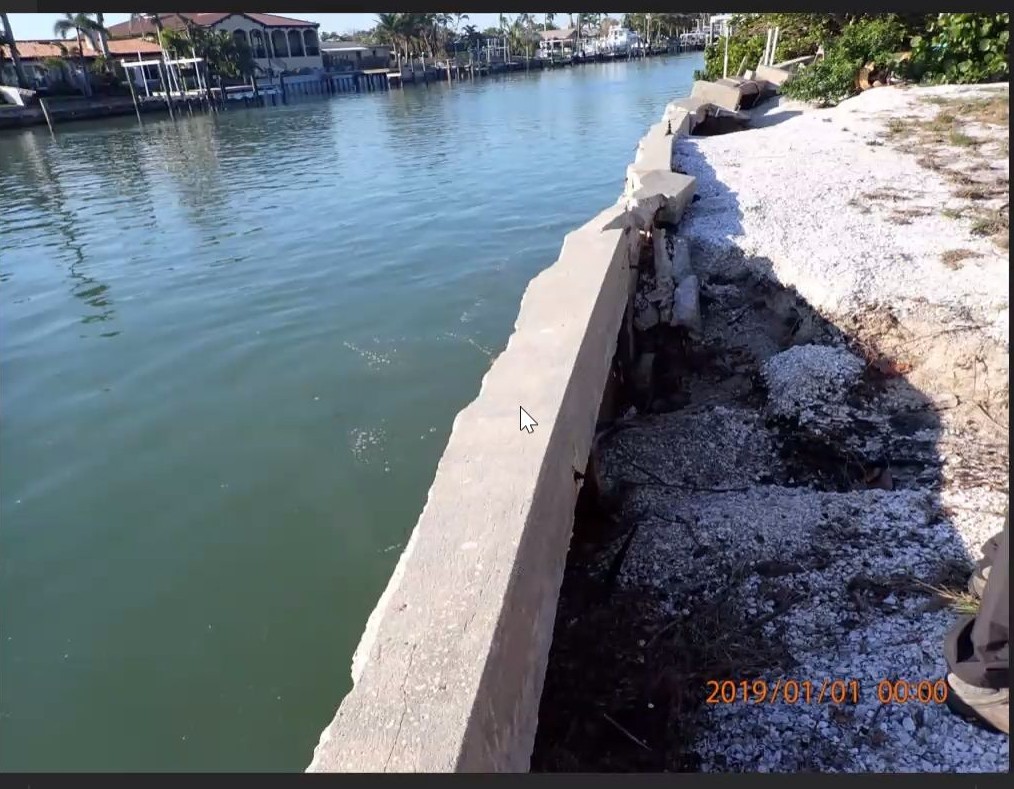
The designs were created to serve as templates that could be modified by an engineering firm to suit site-specific conditions and applied to 70 similar properties in the city that would benefit from living shoreline installations. Streamlining this permit process could help make these nature-based solutions a more viable alternative to traditional seawalls.
“Most of what these property owners need to get a permit will already be done, so they don’t have to pay to start all over, which is why the estuary program wanted to be involved,” Ries said. “Like many older communities in Tampa Bay, the seawalls are all the same age and they’re either failing or nearly failing. Homeowners will need to do something and we want to make living shorelines an easier option than just replacing the seawall.”
Moving forward, the MART is expected to become a valuable tool for organizations and firms working on habitat restoration. After the first few meetings, if the pilot MART is useful and has support to continue, it will be transferred to one of the regulatory agencies to continue convening.
“Ultimately, we’re looking for a path to implementation,” said Matthew Pleasant, planning manager at Applied Sciences Florida. “The opportunity to engage with agencies early can help streamline the process and hopefully accelerate projects. The open format allows everyone to learn from each other’s projects, so it’s a great initiative for the work group to support.”
The group is actively soliciting applications for its next meeting during the virtual Resilient Shorelines & Spaces Work Group meeting on October. 15. For more information, contact Alana Todd.
By Vicki Parsons, originally published July 30, 2025