The 32nd annual Future of the Region Awards recognized outstanding projects and programs that exemplify regional leadership in categories that are open to local governments, businesses and non-profits.
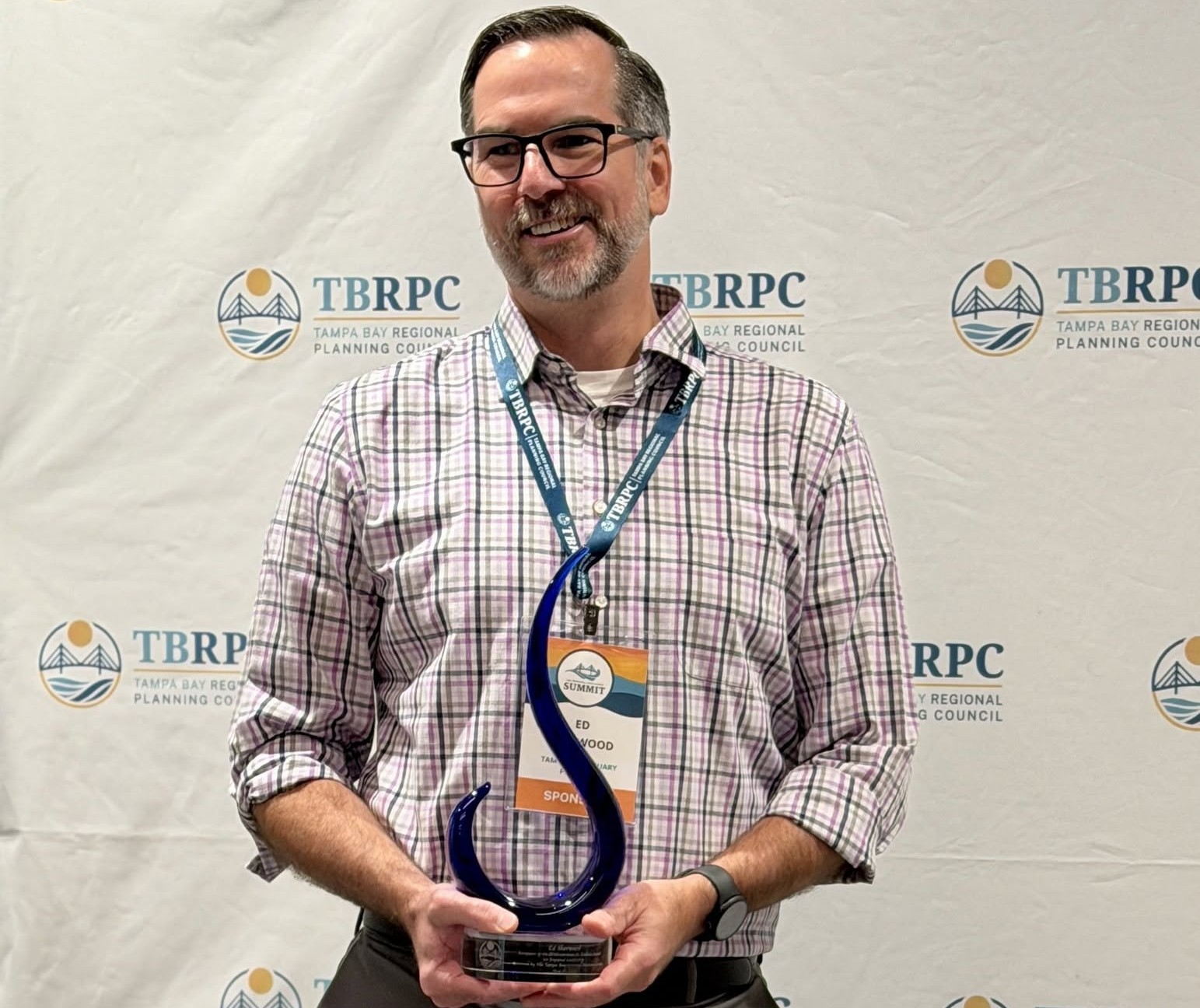
Once again, an environmentalist has earned the Herman Goldner Award for Regional Leadership, the top honor presented to an individual at the Tampa Bay Regional Planning Council’s Future of the Region Awards. Ed Sherwood, executive director of the Tampa Bay Estuary Program (TBEP), has led multiple efforts by counties and municipalities to restore and protect Tampa Bay.
For nearly two decades, he has facilitated the Tampa Bay Nitrogen Management Consortium, ensuring that pollutant loadings hold steady even as the region’s population continues to grow.
Sherwood was also responsible for coordinating a regional response to discharges from the Piney Point phosphate plant in 2021, has led his team to adopt the principles of open science that put data directly in the hands of decision makers, and coordinates the baywide effort to maximize potential habitats.
The Hillsborough Transportation Planning Organization took home the One Bay MacIntosh Award as the highest honor, overall winner of the Future of the Region Awards program for its Brightline Station Area Study. The study focused on ensuring that a future Brightline station in greater downtown Tampa is as connected, accessible and efficient as possible. More than 11,000 responses to a public survey helped the agency gain insights from people who would be both leaving from a potential Tampa Brightline station and arriving from elsewhere.
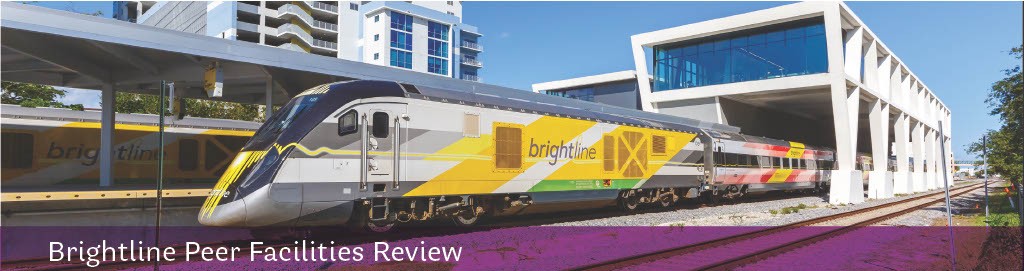
Using that data, the plan identifies needed infrastructure improvements to accompany the station. The plan was developed to include roadway and parking, transit, bicycle and pedestrian opportunities, as well as technology and wayfinding. Together, this provides a framework for mobility and connectivity that can be refined and implemented to prepare not only for a potential future Brightline station but also for increased connectivity in the greater downtown Tampa and Ybor City area.
In the Natural Resources and Environment category, two winners earned awards for restoring natural shorelines.
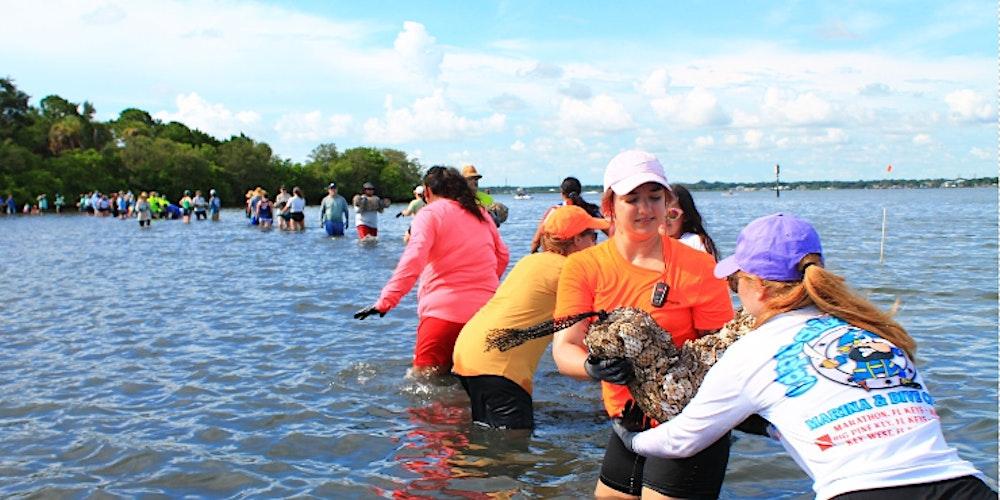
- The Treasure Bay Living Shoreline Project located within the City of Treasure Island exemplifies regional leadership by aligning environmental restoration with resilient infrastructure and public access. The 500-foot living shoreline It demonstrates how coastal communities can move beyond traditional engineering solutions to embrace adaptive, sustainable strategies that deliver lasting benefits for both people and the environment. The city leveraged additional funding through the Resilient Florida Grant Program, securing $1.5 million to expand the project and replace the remaining Treasure Bay seawall segments with nature-based solutions. Living shorelines offer a multi-benefit solution: they stabilize coastlines, reduce erosion, enhance habitat, and improve water quality – all while requiring less long-term maintenance than traditional seawalls.
- The Philippe Park Living Shoreline focused on enhancing the natural shoreline along Old Tampa Bay at the southern of the popular Pinellas County park in Safety Harbor. The high-profile park on the shore of Old Tampa Bay provided an excellent opportunity to install several different living shoreline enhancements to educate the public about coastal resilience issues. Along with reducing erosion, the restored shoreline helps improve water quality in Old Tampa Bay by filtering pollutants and increasing nutrient uptake by oysters and native plants, as well as providing increased habitat for fish and birds.
Winners in the Built Environment category include:
- Dual roundabouts along Skinner Boulevard in Dunedin, a project led by the Florida Department of Transportation, enhance safety and improve traffic flow from Main Street to Broadway Ave. Planned features included widened sidewalks, on-street parking, bike lanes, bus bays and a multipurpose path connecting to the Pinellas Trail.
- The St. Petersburg Innovation District is a 560-acre hub located just south of downtown St. Petersburg, with a core mission to create dynamic public and private spaces that actively foster innovation. The Innovation District partnered with the City of St. Petersburg and Kimley-Horn to deliver a comprehensive Master Plan for the District that unified these efforts into a coordinated, forward-looking strategy.
In the Community Preparedness and Resiliency categories, winners include:
- Safety Harbor for its Stormwater Improvement Grant Program to improve flooding and water quality in residential neighborhoods. enabling residents and homeowner associations to implement flood mitigation and erosion control projects on their properties. The program provides a 50% match, up to $25,000, to property owners to implement stormwater mitigation and erosion control projects. Working collaboratively, they designed a comprehensive framework that included best management practices, legal agreements, and clear eligibility criteria. The Ccity awarded its first grants—totaling $81,996—to four single-family homeowners and one homeowner association.
- South Pasadena for Fire Station 20, located in the geographic center of the city, strategically adjacent to HCA Florida Pasadena Hospital. The building sits 12.5 feet above Base Flood Elevation and is built to Category 5 wind resistance standards, featuringes on-site fuel and water storage, as well as a 250kW generator with an automatic transfer switch that can power the station for up to five days.
- The “Anchors Aweigh: City Conversations” podcast offers a unique service to the Treasure Island community by updating public outreach efforts. This series provides an accessible, informal platform for residents to hear directly from city leaders, department heads, and experts on a wide range of topics that impact the community.
Winners in the Community Service and Engagement category include:
- The “Anchors Aweigh: City Conversations” podcast offers a unique service to the Treasure Island community by updating public outreach efforts. This series provides an accessible, informal platform for residents to hear directly from city leaders, department heads, and experts on a wide range of topics that impact the community.
- UF/IFAS Extension Pasco County’s Community Gardens Program exemplifies the profound impact that nonprofit and community service organizations can have on the citizens of Tampa Bay. The program brings accessible, research-based gardening opportunities to residents, particularly those in low-income and underserved communities. At its core, the Community Gardens Program provides a place for people to reconnect with nature, grow nutritious food, and nurture their own well-being. What began as a response to community need during the challenging events of 2020 has grown into a countywide movement that strengthens food security, restores mental health and builds community resilience.
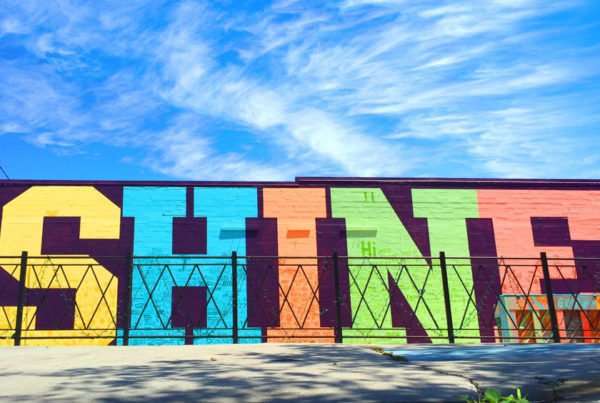
- The annual SHINE® St. Petersburg Mural Festival illuminates the power of art in public spaces. By using walls and streets as canvas, SHINE transforms our shared spaces into a world-class outdoor gallery. Produced by the St. Petersburg Arts Alliance, SHINE has created over 200 murals throughout downtown St. Petersburg and the surrounding arts districts. Beyond the artwork itself, SHINE fosters community engagement through live painting sessions, public programming, and educational outreach programs that welcome people of all ages and backgrounds. By making art visible, free and accessible, SHINE ensures that cultural enrichment belongs to everyone.
Winners in the Innovation and Technology category include:
- The Citrus County Interactive Growth Model integrates a series of specialized submodels, including detailed analyses of parks, fire station coverage, and impervious surface impacts. With these insights, the County can strategically prioritize capital improvements, optimize transportation networks, and plan for the timely expansion of critical public facilities, including fire and emergency services. Equally important, the model establishes a foundation for long-range planning, ensuring that public resources are allocated efficiently and equitably.
- Plant City is growing fast, transitioning from a small town to a mid-sized city. To keep existing and new residents aware of the issues facing the city, it created an extensive public outreach program, highlighted by a series of innovative educational videos. These high-quality, informative and often humorous public service announcements are designed to educate and entertain residents on a wide variety of issues that are vital to the future well-being of Plant City. Available on social media platforms, they have been viewed more than 90,000 times – over twice the city’s population.
- In the wake of back-to-back hurricanes, Hernando County faced a surge in rebuilding demand at the precise moment staffing and process capacity were under strain. Rather than accept delay as inevitable, Hernando County reimagined development review through an AI native planning portal that delivered speed, clarity, consistency, and accountability while preserving professional judgment and public safety. While permitting begins with AI, it is reviewed by human experts, creating a faster, more coordinated path for recovery, infrastructure delivery, and housing production.