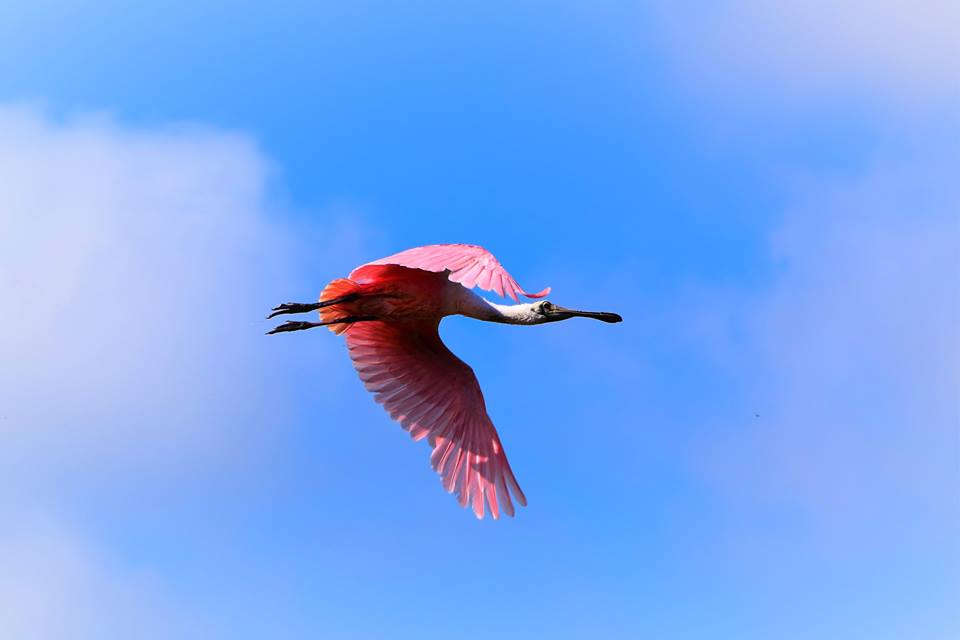
The 2024 hurricane season, which devastated natural lands across the Tampa Bay region, had a silver lining for the Florida Birding & Nature Festival (FBNF). Although past events were held in October to coincide with fall migration, a new spring schedule, which occurs before hurricane season, will now allow participants to see even more migratory birds in brighter plumage for their courting season.
“Tampa Bay is a hot spot for migrating birds in both the spring and fall, but in the fall they’re flying down after a long nesting season spent feeding and protecting their fledglings, so they’re a little frayed and their colors are muted,” says Mary Keith, FBNF board secretary and lifelong bird watcher. “In the spring, there’s a mad rush north, with many more birds concentrated in a short time, and they’re in full courting plumage for their upcoming nesting season. That makes it easier to see them, and easier to identify them.”
Birds like the “un-red knots, “not-black-bellied plover” and the “non-spotted sandpiper” passing through in the fall actually have black bellies and spots that make them distinctive in the spring, and warblers have bright colors that make them unique, she adds.
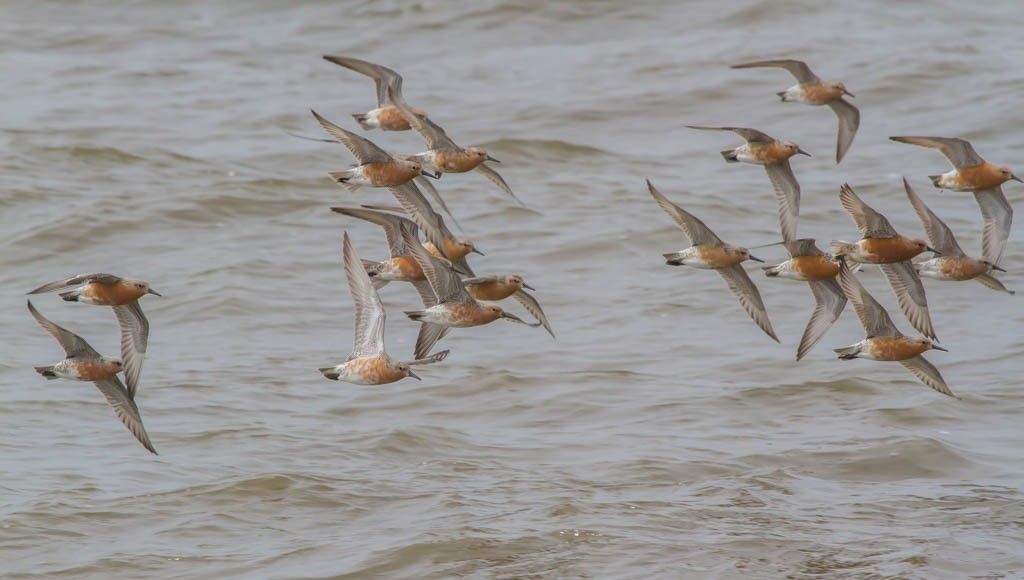
That combines with the opportunity to see “fall-outs,” when thousands of migrating birds of multiple species land and rest at Gulf-front locations like Fort De Soto Park to avoid cold fronts. “Many of the birds we see here during migration are on their way from locations as far north as Paraguay or Argentina, so they use Florida’s west coast as a stopping point before heading north to Maine or Canada. If a cold front with strong winds from the north comes through, they’ll fall out here to rest.”
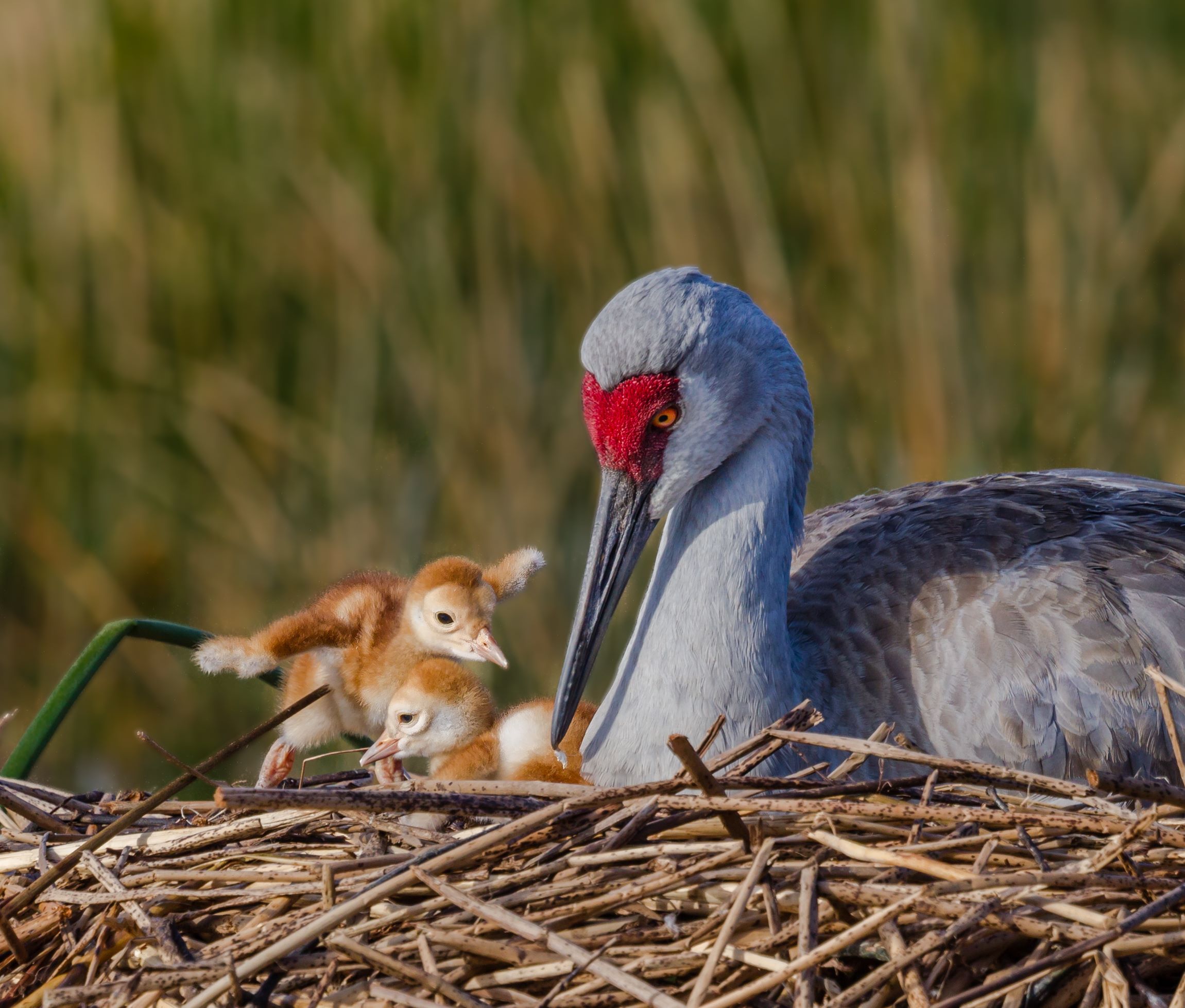
And most birds that call Tampa Bay home year-round will be nesting, so they’ll be easier to see than at other times of year when they have dispersed from their colonies, notes Ann Paul, festival president. “You’ll see roseate spoonbills, brown pelicans and multiple species of herons and egrets on the Coffee Pot Bayou trip, spoonbills, pelicans and many other birds at the Alafia Banks, and wood storks and sandhill cranes at Se7en Wetlands.”
FBNF remains recognized across the Southeast as a premier event for birders and nature lovers. This year, the Festival will take place on April 9 to 12 at the Suncoast Youth Conservation Center and feature four full days of field trips by boat, bus, kayak, and caravan. Favorite field trips will be returning, including the bus trip to Circle B Bar Reserve, boat rides to Coffee Pot Bayou, Outback Key and the Alafia Banks, and kayak trips to Upper Tampa Bay Preserve, Newman’s Creek, and Frog Creek in Terra Ceia. Field trips to the region’s top birding spots, led by expert birders, include Honeymoon Island, Cockroach Bay, Se7en Wetlands, Terra Ceia, Schultz Preserve, and a new evening hike at Lettuce Lake Park. Several of the 2026 trips are wheelchair-accessible.

The keynote speaker on Friday evening is Leslie Kemp Poole, an associate professor at Rollins College and the author of Saving Florida: Women’s Fight for the Environment in the Twentieth Century. The Saturday keynote speaker is Hilary Flower, Eckerd College associate professor and author of The Kite and The Snail: An Endangered Bird, Its Unlikely Prey, and a Story of Hope in a Changing World, which tracks the unlikely success of the endangered Everglades kite as it learned to forage for invasive snails.
“It’s been challenging to move from our regular October event to an April event, but we are excited to be able to highlight migratory birds we might not see in the fall,” Paul said. “I think we’ve been able to combine the best of our historic favorites with exciting new options for spring.”
Learn more about the birding festival at www.floridabirdingandnaturefestival.org.
Published by Vicki Parsons on Dec. 22, 2025