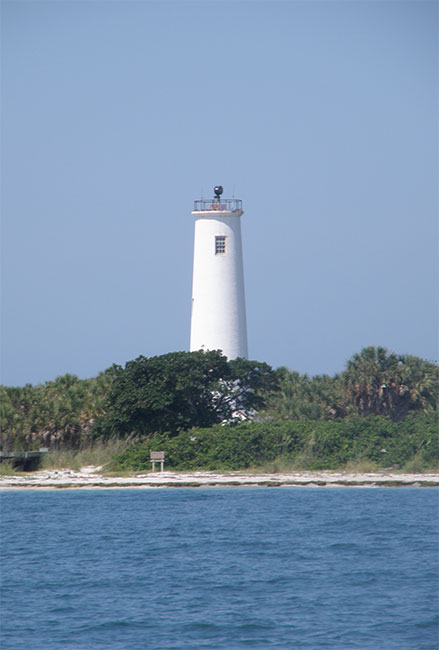
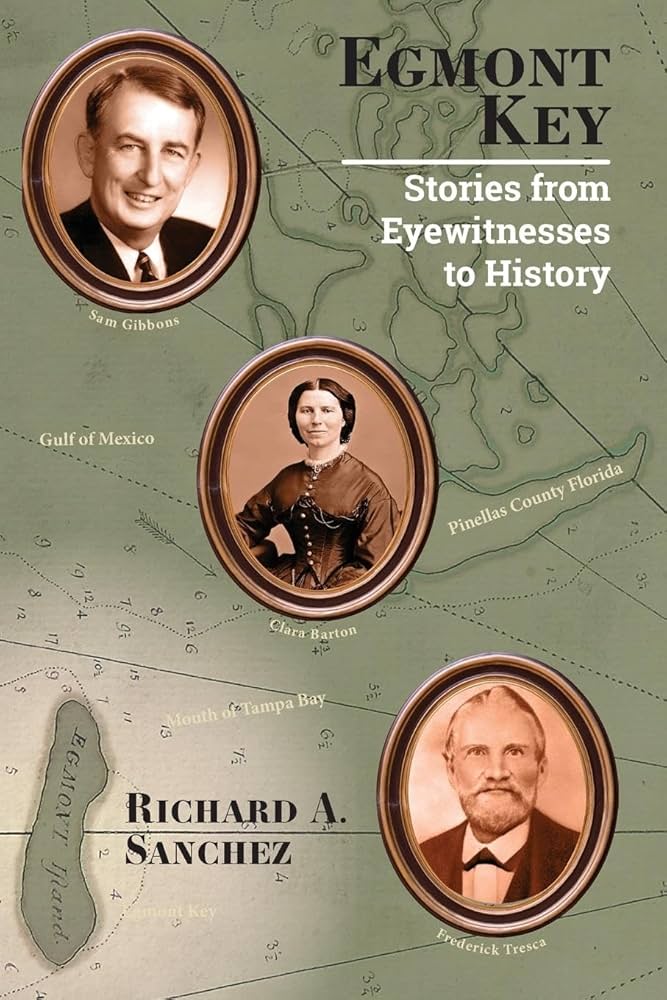
I admit, I expected to enjoy Egmont Key: Stories from Eyewitnesses to History even before I opened it. Florida history is a personal passion, and Egmont Key is one of my favorite places in the world. Located at the mouth of Tampa Bay, Egmont Key has been inhabited for more than 300 years, and has played a considerable role in the region’s history.
While the basic facts are relatively well known, Richard A. Sanchez takes a new tack and traces its history through letters and reports written by the people who left their mark, sometimes without ever setting foot on Egmont. Noted below are the highlights that were most interesting to me, although they just begin to skim the surface of this thought-provoking book.
Pirates?
During the early 1700s, there was a thin line between pirates and privateers, or people who had permission from one country to raid the ships of other countries. “A privateer is merely a pirate with papers,” Sanchez writes.
Searching for the legendary pirates of Egmont, Sanchez tracked multiple names on old maps and finally found David Cutler Braddock, a privateer and one of the first Englishmen to explore Tampa Bay in the mid-1700s. He was based on Egmont, and built a small town of about 20 houses, named Castortown after one of his ships, although no signs of that settlement remain.
Earl of Egmont
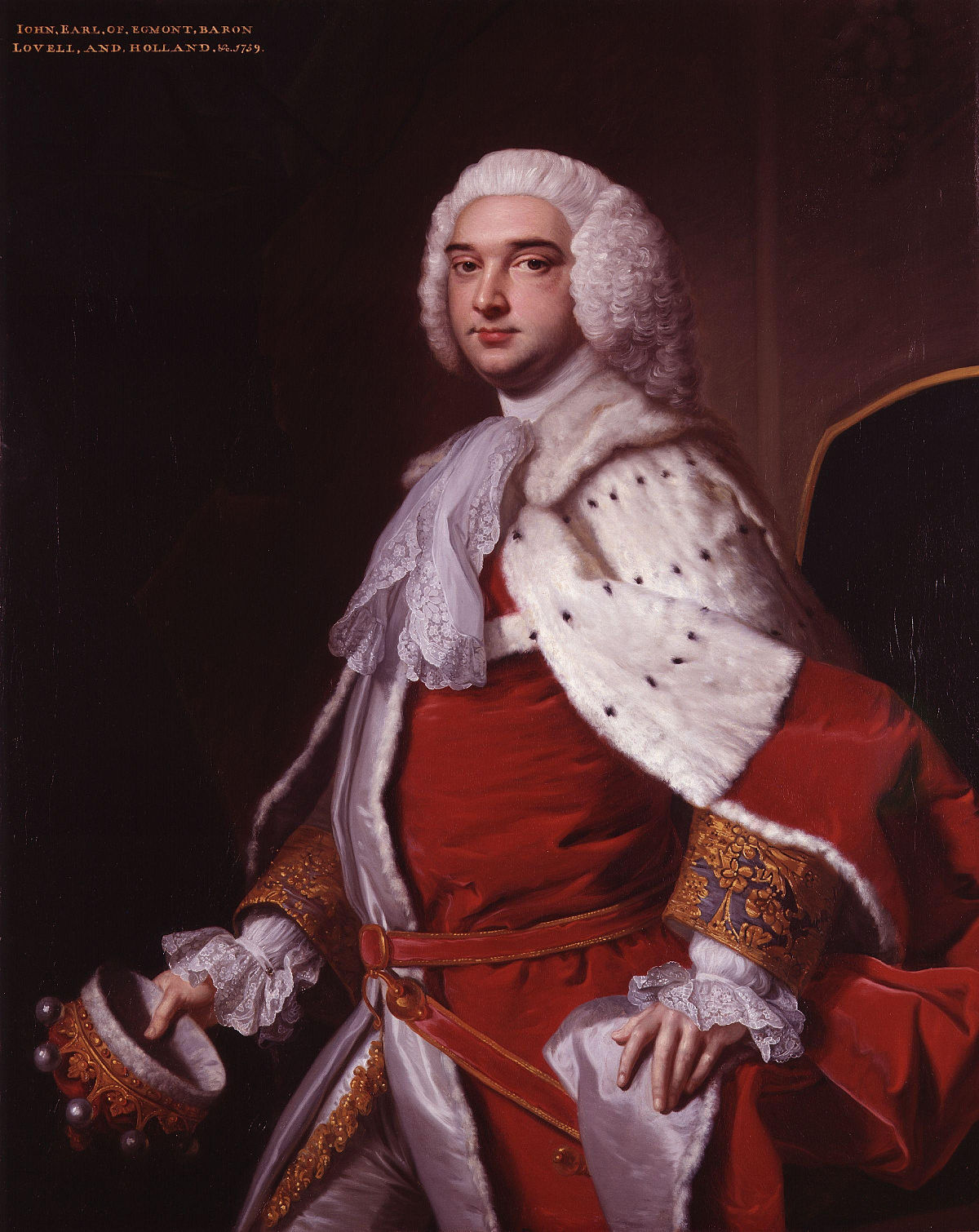
John Perceval, the second earl of Egmont, never visited Egmont Key – or even North America. He was the First Lord of the Admiralty between 1763 and 1766, during the time that English explorer George Gauld was mapping Florida’s coastline. “Gauld most likely thought it was a good idea to name some of his discoveries after the person who had funded the trip and named Egmont Key after Perceval,” Sanchez writes.
The survey of 1849
Florida became an American state in 1845 after centuries-long conflicts between the British, Spanish, French and lthe native Seminoles. The coast had barely been mapped and the new state was vulnerable to attacks by foreign ships. Four engineers, including Robert E. Lee, were charged with identifying coastal locations that could be protected with forts.
“In a military point of view, this large and spacious bay of greater capacity than any other on the Coast of Florida … is diminished in value in consequence of the many & width of its entrances which renders it difficult to defend,” Lee reported. “Yet its position intermediate between Cay West [Key West] and Pensacola, the only point on the Gulf where vessels of a certain draft could look for safety … may hereafter render it advisable … [that] certain islands at the mouth of the harbor be reserved.”
William F. Raynolds, engineer and explorer
The engineer behind the 1858 lighthouse on Egmont, William F. Raynolds was a West Point graduate tasked with rebuilding the masonry lighthouse that had been destroyed by a hurricane in 1848. He’s most well-known as a leader of the Yellowstone expedition, after which he reported that the once-abundant bison were being killed at such an alarming rate that extinction was very likely.
The lighthouse he designed is still in service, even though Hurricane Helene wiped out most of the other buildings on Egmont.
The Trail of Tears
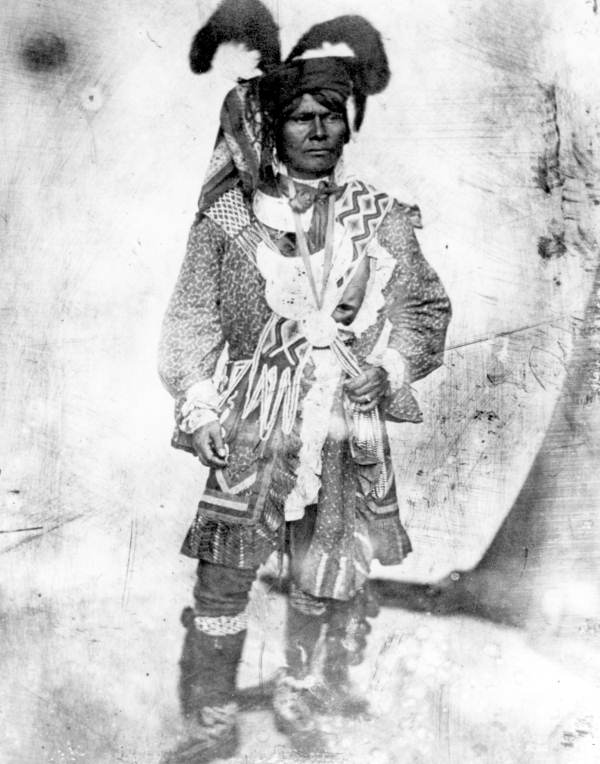
Egmont was the first stop for many Native Americans banished to Oklahoma after the Third Seminole War ended in 1858. One of those Native Americans was Billy Bowlegs, a warrior-leader who eventually did agree to leave Florida. Part of the campaign to persuade him to leave included a trip to Washington, where he met with President Millard Fillmore and was awarded a medal. After several more battles in which indigenous villages and crops were burned, Bowlegs finally agreed to leave.
The New York Herald describes how 160 Seminoles boarded the steamer Grey Cloud for the voyage that would lead to New Orleans and then up the Mississippi River to Oklahoma. “Silently, they took their leave of their much-loved Florida. Warriors that had defended their country to the last shed tears and, with aching hearts, passed onto the steamer’s deck. The scene is one to be remembered and calculated to excite the sympathies of the most inveterate Indian hater.”
Clara Barton
The founder of the American Red Cross, Clara Barton spent five days on Egmont Key after serving in Cuba caring for soldiers (both American and Spanish) wounded when the USS Maine exploded in the Havana harbor. Egmont and Mullet Keys were being used to quarantine soldiers returning from Cuba to prevent the spread of yellow fever, which killed 13 soldiers for every one who died in battle.
“The only drawback to a very pleasant stay here is the mosquitoes,” wrote Lucy Graves, a nurse traveling with Barton. Of course, at that time, no one understood that mosquitoes were also carriers of the deadly yellow fever.
Major Francis Langhorne Dade
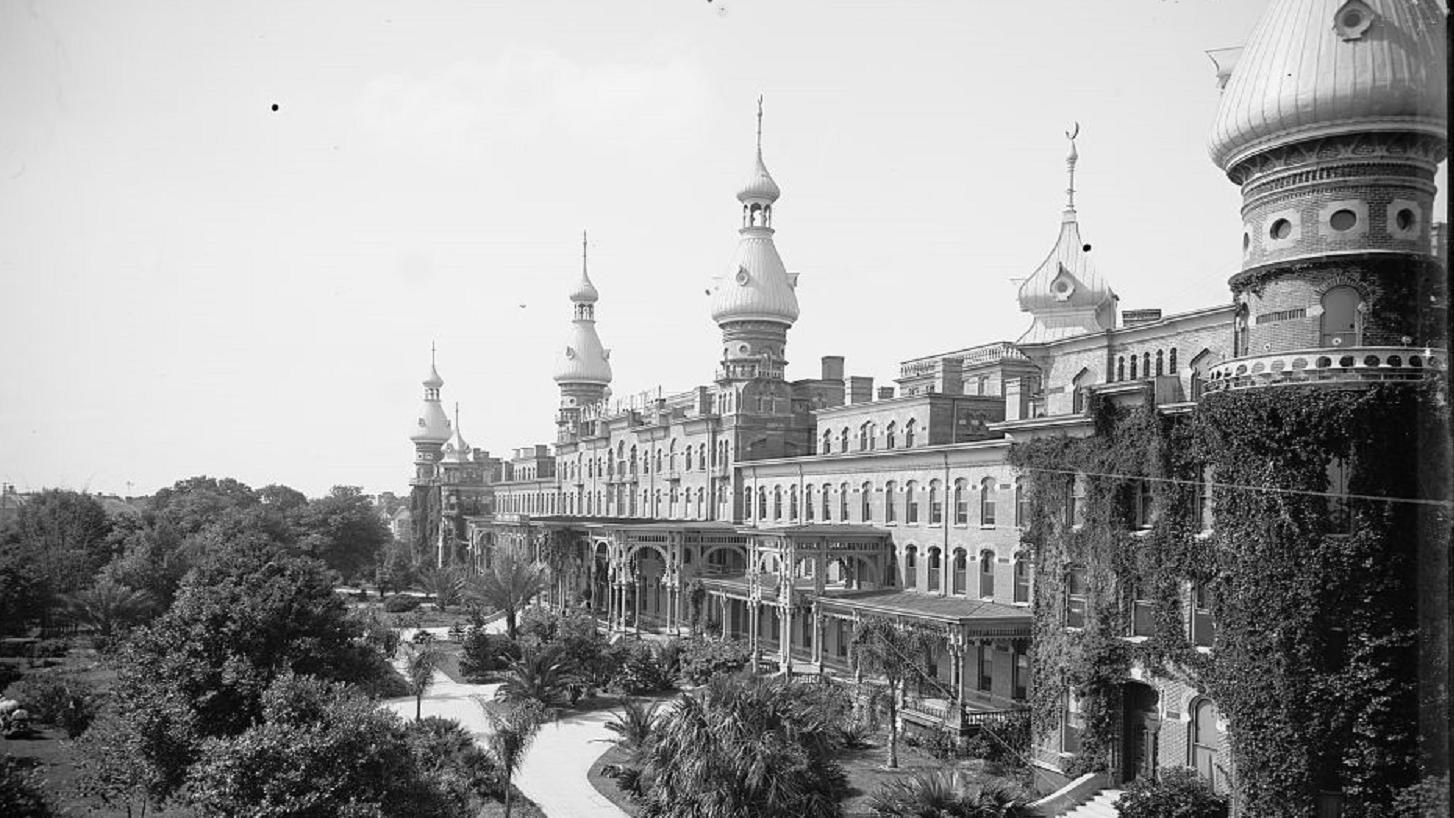
Like the Earl of Egmont, Major Dade never visited Egmont Key, although the fort on the island is named for him. Fort Dade and its sister fort on Mullet Key were built to protect Tampa Bay from Spanish invaders during the Spanish-American War. The combat only lasted three months, but Tampa had become a primary port of debarkation after Henry Plant persuaded his friends in Congress that the Tampa Bay Hotel – which sat empty during the hot summer months – would be a suitable location for planning the war.
Fort Dade never saw battle and soon became obsolete as military technology improved. It was used during World War I to train artillerymen before they were sent to Europe, and the lighthouse was used during World War II as an observation tower surveying for German U-boats. The fort was formally closed in 1922, and parts of it have fallen into the bay as the island erodes.
Sam and Clifford Gibbons
U.S. Representative Sam Gibbons has long been recognized as an environmentalist. A chance meeting between his son Clifford and then Secretary of the Interior Rogers Morton resulted in a helicopter trip with the Gibbons and Morton to Egmont Key. The Gibbons pointed out its features and Morton proclaimed the area a “National Wildlife Refuge.” (Prior to that, developers had proposed building a bridge from the north end of Anna Maria Island to Egmont.)
That trip also resulted in Caladesi, Honeymoon, Anclote and Passage Key being declared wildlife refuges. “There were no proclamations, no authorizations by Congress, hearings, discussions or debates – just a pronouncement that these five islands would receive the protection necessary to prevent further development,” writes Clifford Gibbons. “Indeed, it was a glorious historical day in Florida’s coastal environmental protection!”
If you go
Egmont is only accessible by boat, including a ferry that leaves from Fort De Soto daily. It reopened to visitors earlier this summer after most of the destruction caused by Hurricanes Helene and Milton was cleared by staff and volunteers. The guardhouse now being used as a visitors center is still standing along with the sections of Fort Dade that had not previously fallen into the bay, and most of the brick-paved roads have been cleared by volunteers and staff. Wildlife, including birds and gopher tortoises, is still abundant.
The island had been eroding before 2024, but supporters hope that it can be protected with dredged materials when the US Army Corps of Engineers begins widening the ship channel, which is on hold until Congress funds the project.
By Vicki Parsons, originally published August 5, 2025