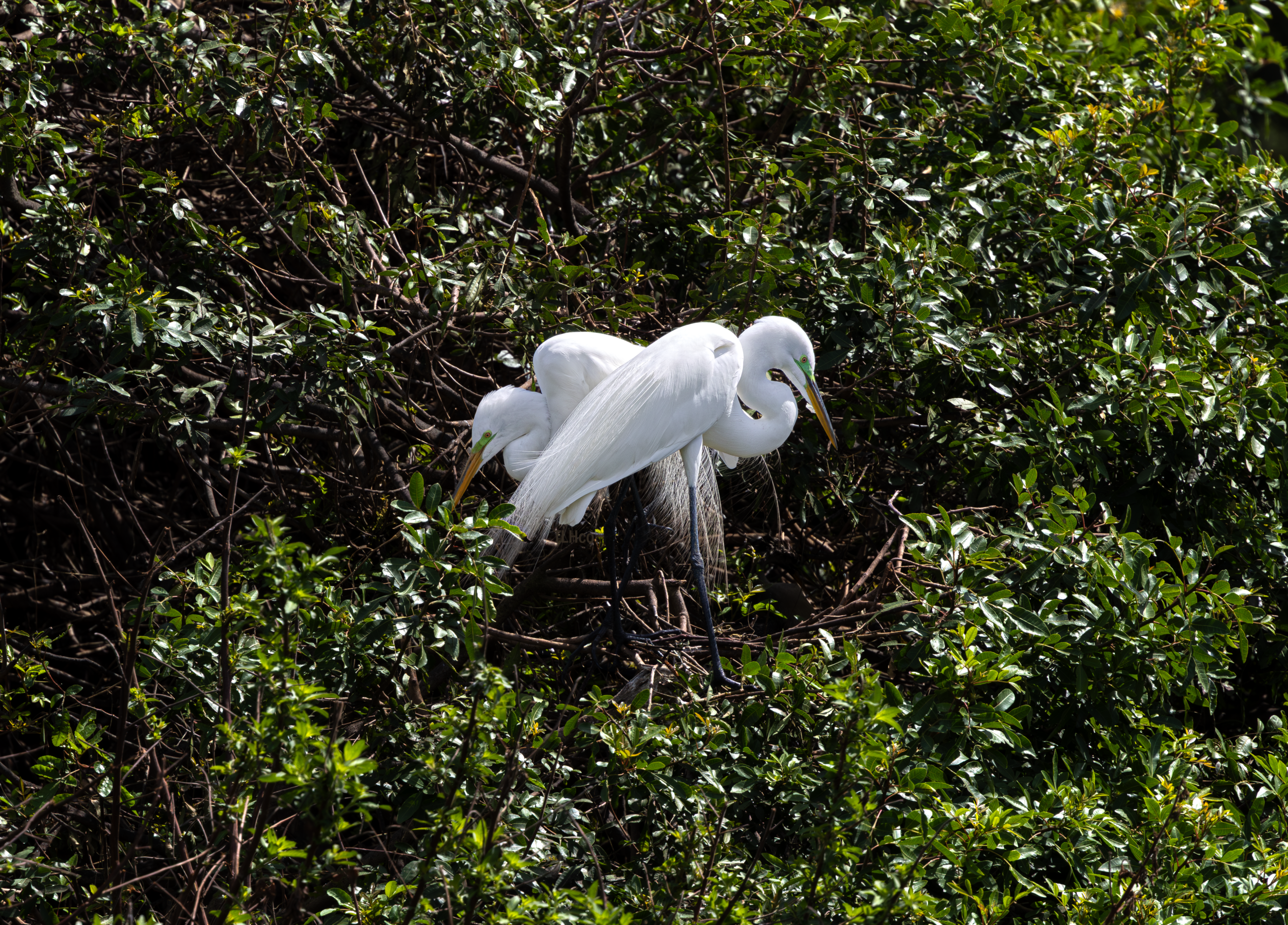
Scientists estimate that North American bird populations have declined by nearly 3 billion since 1970. While it would be difficult for Tampa Bay residents to make a meaningful impact on birds like the eastern meadowlark, nearly anyone can be a lifeline for the birds fighting to survive here.
Habitat loss – as humans move into spaces where birds once lived – is the most significant threat to birds in Florida, but volunteers can help protect birds living in close proximity to our homes. As the summer nesting season kicks off, Audubon Florida has scheduled a series of training events to prepare volunteers to work as citizen scientists, documenting bird nesting habits and protecting them in the most vulnerable times of their lives.
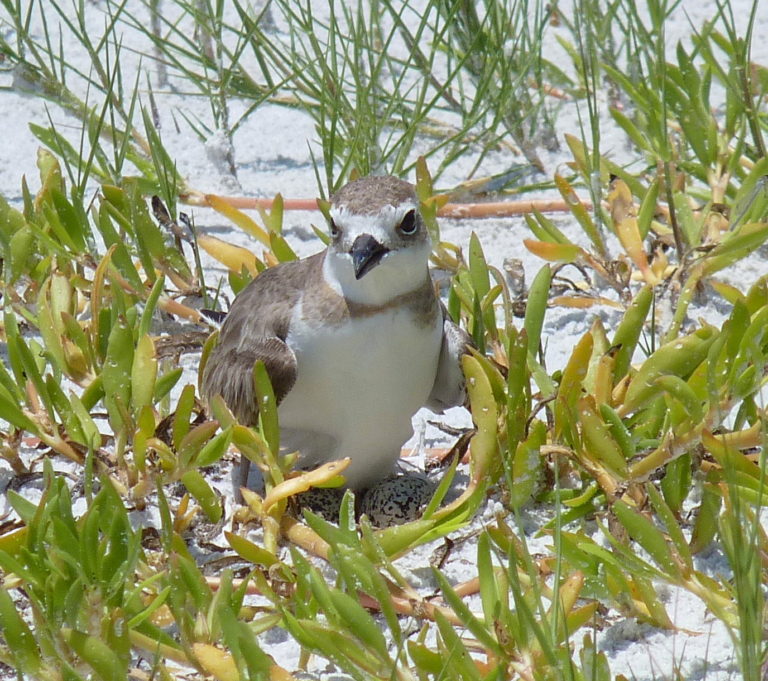
Beach bird stewards are the front-line defense for beach-nesting birds that have evolved to lay their eggs in shallow scrapes on beaches. While many nesting sites are roped off to protect the birds from beach-goers, bird stewards help ensure that people and pets continue to avoid the birds and their nests. They wear bright yellow t-shirts emblazoned with the words “Ask me about the birds” because most people are curious and want to help.
“Excess disturbance by people, their dogs, and beach toys can heavily impact an entire breeding season for beach-nesting birds,” says Kara Cook, Tampa Bay area shorebird program manager for Audubon Florida. Bird stewards aren’t asked to commit to a certain number of days, but they’re most needed on busy holiday weekends when beaches are crowded. Training classes for bird stewards are scheduled:
Fort De Soto County Park, 6:30 p.m. March 23, 2026
3 Rooker Island, 6:30 p.m., April 22, 2026
St. Pete Beach/Redington (black skimmers). 6:30 p.m., April 23, 2026
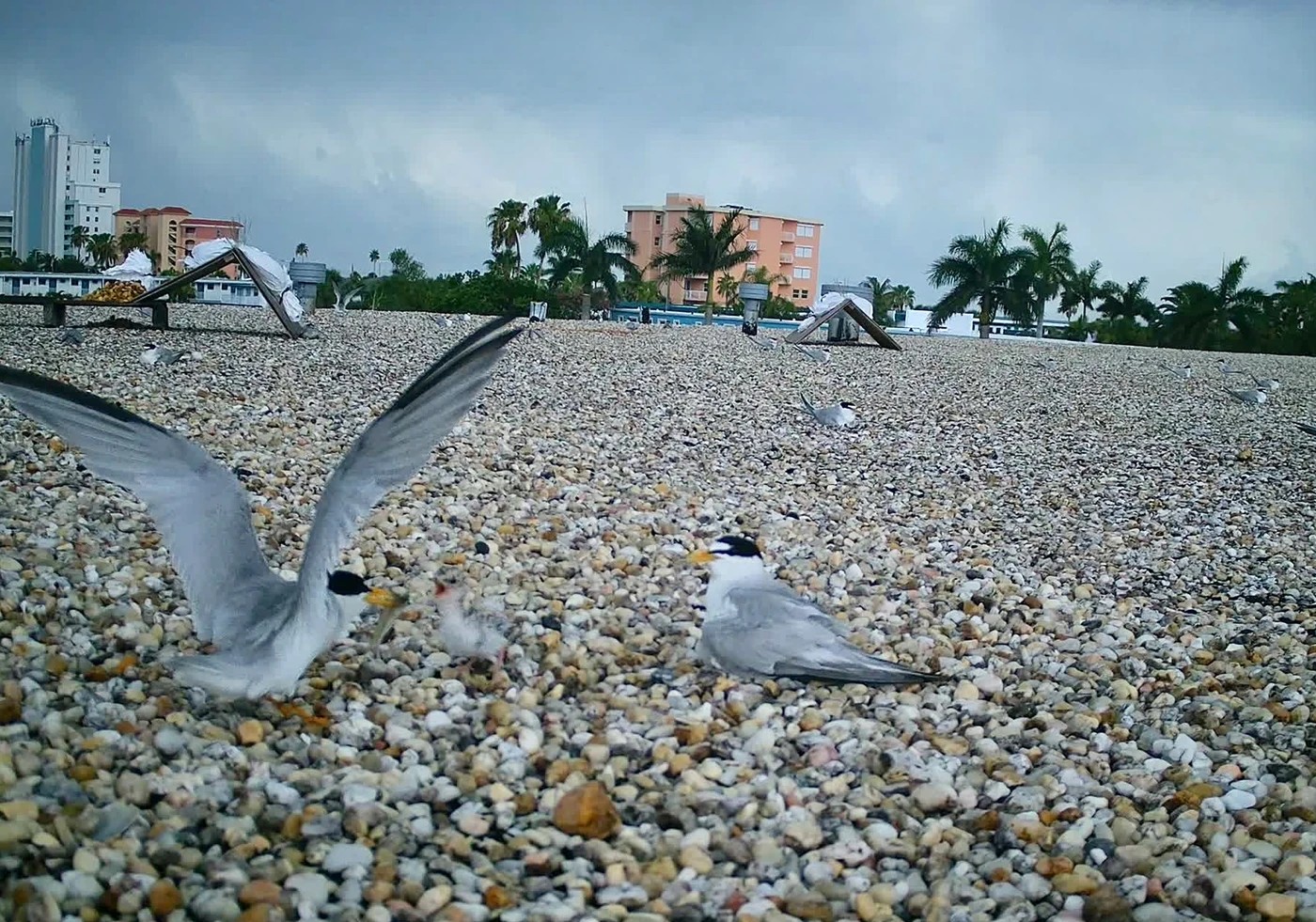
But not all beach-nesting birds are found on beaches. Some, like the black skimmer, least tern and American oystercatcher, take the high road and nest on flat white rooftops. They’re safe from human intrusion, but chicks can fall off the high roofs. Trained volunteers serve as “chick checkers” who monitor the building from the ground, and return chicks to the roof if they fall.
If you see birds nesting on a rooftop, reach out to Abby McKay, Audubon’s rooftop biologist for guidance. Join McKay on March 16, 2026 at 6:30 p.m. for a training class.
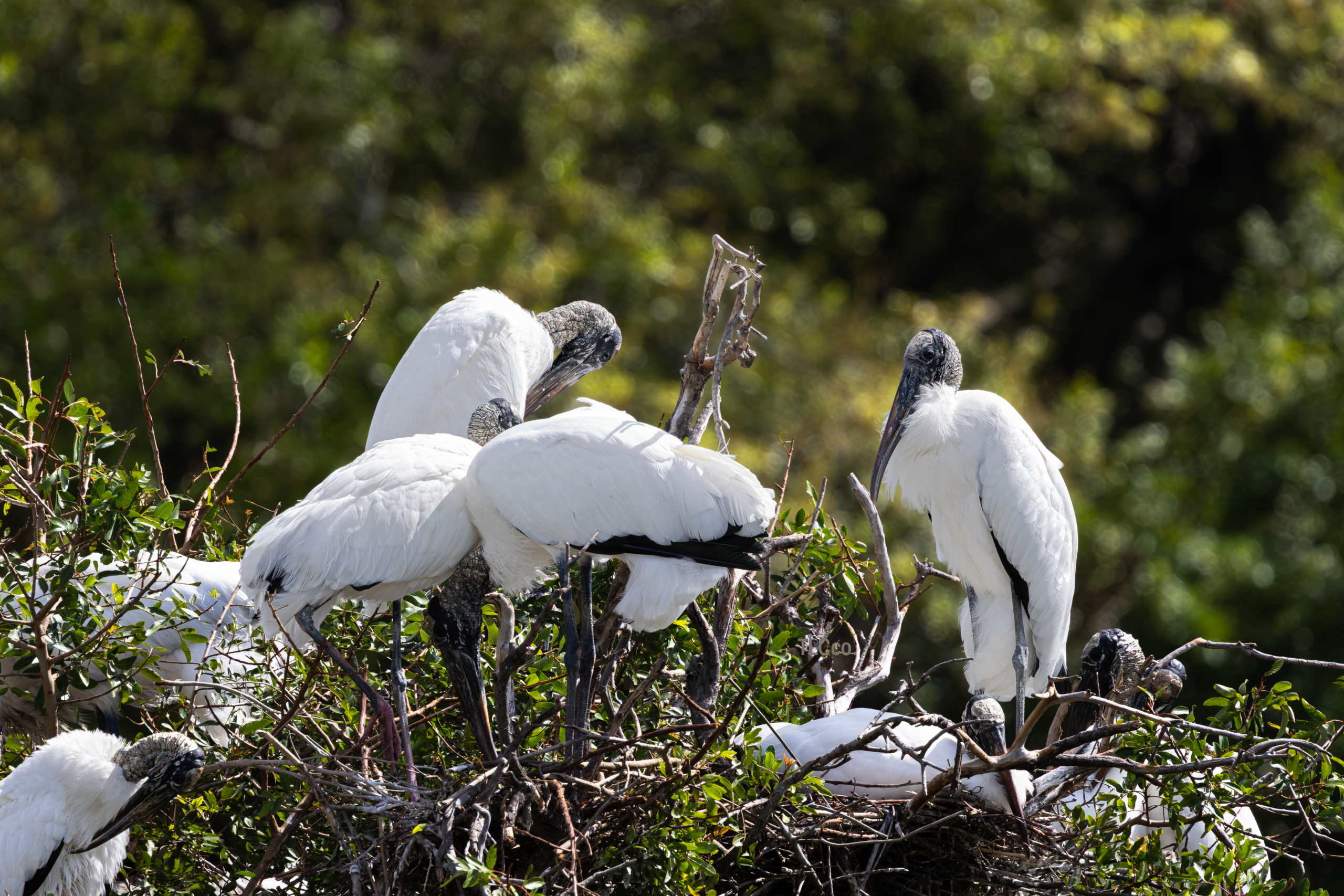
Project Colony Watch volunteers help protect birds like roseate spoonbills, storks, pelicans, and anhingas that nest on islands where mammalian predators can’t reach them. Many of the bird colonies in Tampa Bay are inland, often in suburban locations where small lakes or retention ponds with islands provide the birds with protection from predators. While some islands are tiny, alligators in the surrounding waters prevent raccoons and cats from reaching eggs or vulnerable hatchlings. On the coast, fast-moving tides serve the same purpose.
“Birds invest an enormous amount of energy into laying eggs and then protecting their babies, but a raccoon or feral cat can wipe out even a large population of birds in a matter of days,” said Ann Paul, president of Tampa Audubon Society.
Colony Watch volunteers adopt an island for a season, which runs from about mid-March through the end of the summer, and are asked to visit their island once or twice a month. They’ll receive a handbook that describes many of the birds they’ll see and forms they fill out to document the number of birds, particularly the number of nesting pairs and nests.
A training session for Colony Watch is scheduled for 10 a.m. on March 24, 2026 at Tampa Bay Harley Davidson, 9841 E Adamo Dr. in Brandon, where colonies of wood storks, egrets and ahinghas already are congregating for the summer nesting season.
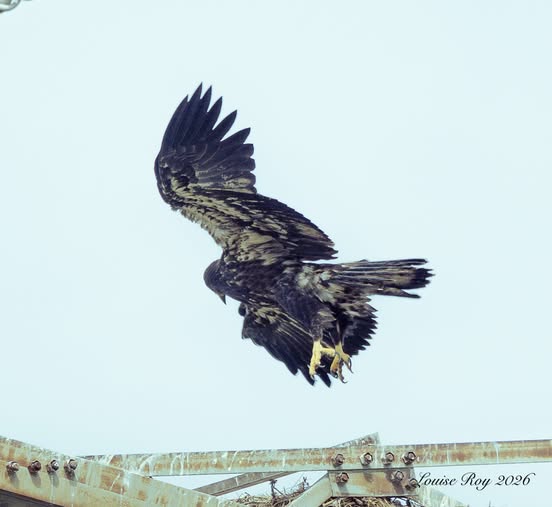
Eagle Watch, which runs from about October to May, is winding down as eaglets in Tampa Bay begin to fledge, or leave the nest. Populations in Florida have dramatically rebounded since the 1970s, and volunteers can help track eagles as they nest and then their eaglets fledge. More than half of the eagles in Hillsborough and Pinellas nest in cell phone towers or other artificial structures. “The fledgling rate from artificial structures is equivalent to and sometimes better than our natural nests,” said Cheryl Merz, Eagle Watch coordinator.
Citizen scientists can make an enormous difference to Florida birds, Paul adds. “We can’t save every bird, but we need to save every bird we can.”
By Vicki Parsons, originally published March 13, 2026