By David Lasker
Pull the lint screen out of your dryer and look at what’s on it. Most of that gray felt is not cotton. It’s polyester, nylon, and acrylic, the same plastics from our fleece jackets, workout clothes, bedsheets, and bath towels. Every load rubs loose thousands of these fibers. The screen catches some. The rest ride the hot air out the dryer vent and into your yard, where stormwater carries them into every corner of Tampa Bay.
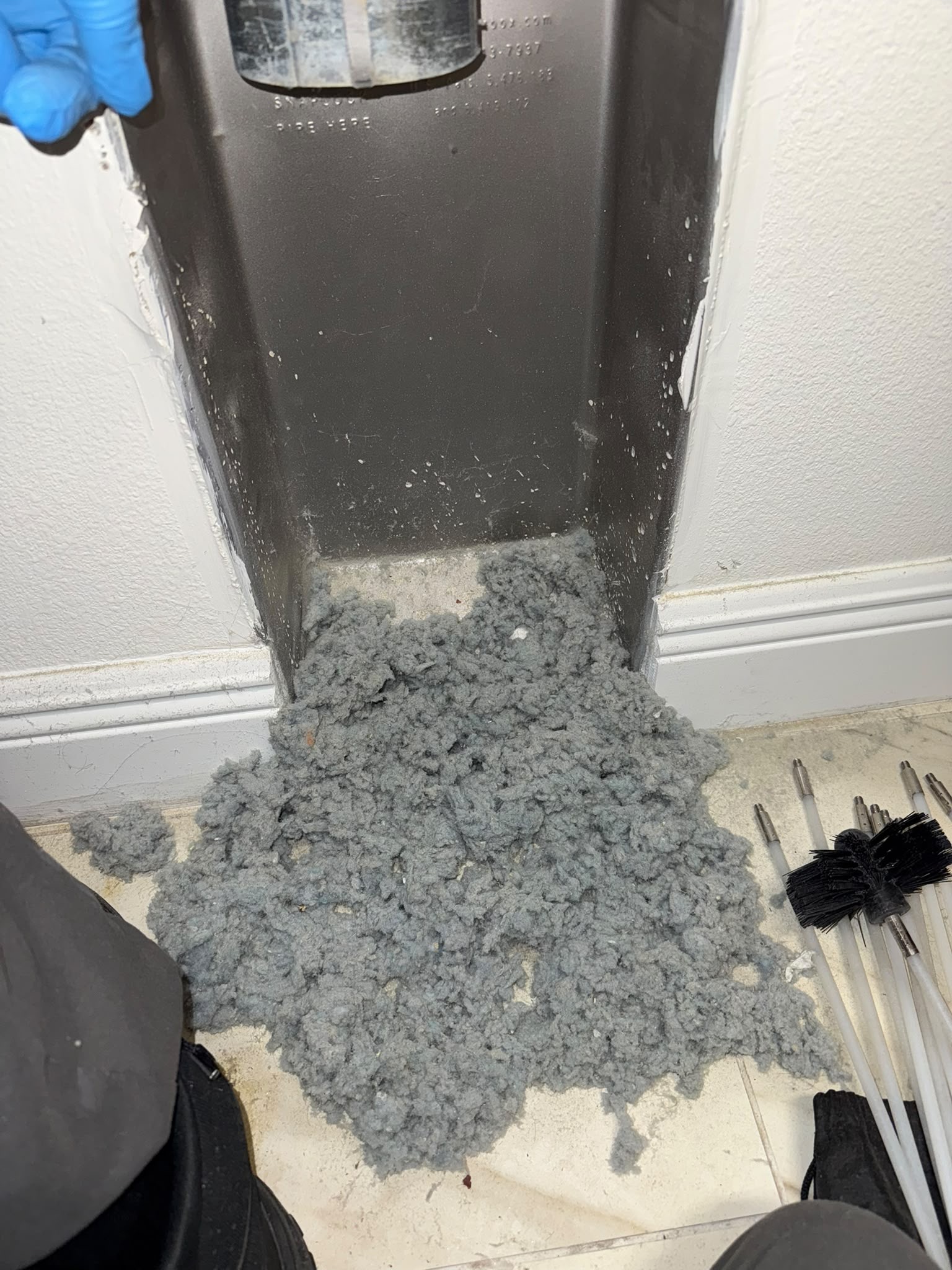
I clean dryer vents for a living across Tampa Bay, and I open a lot of vents that nobody has looked at in years. What’s in them is a good picture of what’s been leaving the house all along.
Why the vent matters more than the washer
Most of the attention on microfibers goes to washing machines, and for good reason. A single load can release hundreds of thousands of fibers into the wastewater. Dryers get less attention because the fibers leave through the air instead of the drain, so nobody sees them go.
Researchers have found that dryer exhaust can carry as many fibers as the wash, and sometimes more, because tumbling in dry heat breaks fibers loose. Those fibers drop onto the ground near the vent, wash into the street with the next rain, and run through storm drains into Tampa Bay. Nothing filters them on the way.
What we find at the vent
Walk around a house on a street near the water and look at the outside wall or roof where the dryer vents. You’ll often see a gray beard of lint hanging from the hood, or a pile on the ground under it. That lint is the heavier fraction. The lighter fibers are already gone.
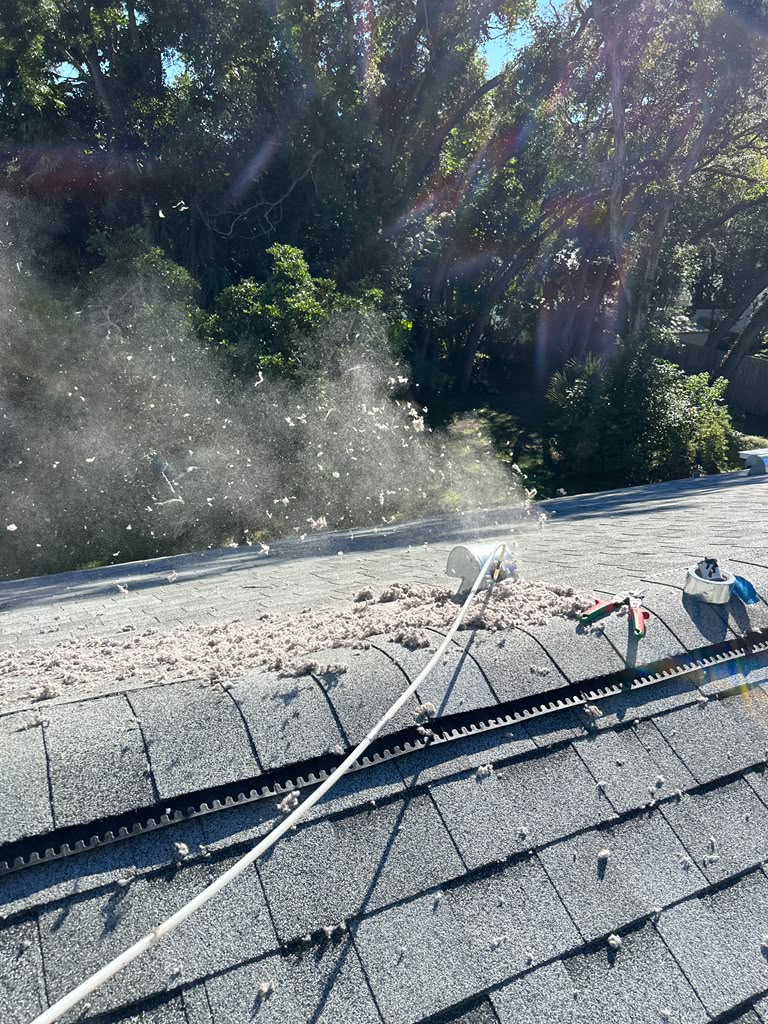
Inside the duct, it’s worse. Many Tampa Bay homes vent through the roof, and a long run up through the attic lets lint settle at every bend. A packed duct pushes air out more slowly, so more fibers tumble loose per load, and more of them escape around the edges of the vent hood instead of through it.
A clogged vent is also a fire risk. The Consumer Product Safety Commission counts about 4,900 home dryer fires a year, and the U.S. Fire Administration says failure to clean vents is the leading cause. So the same problem that sends plastic into the bay can burn your house down. Fixing one fixes the other.
Four things you can do
Dry less. Hang towels and sheets when you can. Every load you skip is a load of fibers that stays on the fabric. In our climate, a rack on the lanai dries most things in an afternoon.
Wash and dry full loads at lower heat. Less friction means fewer fibers break off. Full loads also mean fewer loads.
Clean the screen every load, and wash it with soap once a month. A screen clogged with softener film catches less, and more goes down the duct.
Keep the vent clear and sealed. Have the duct cleaned once a year, more often if the run goes through the roof or you have pets. Make sure the outside hood closes when the dryer is off and has no screen over it, which Florida’s building code doesn’t allow anyway. A clean, tight vent moves air fast, sheds less lint along the way, and keeps what it does carry from spilling out around the hood.
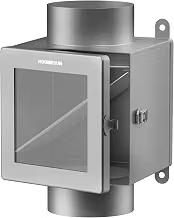
If you want to go a step further, you can buy a lint filter box that mounts on the exhaust duct and catches fibers before they reach the outside. They need emptying, but they work.
The bigger picture
None of this will solve the microfiber problem by itself. The fibers that reach Tampa Bay come from every laundry room, every road and every boat in the watershed. But the dryer vent is a source most of us can see from the driveway, and it takes about ten minutes to check. That’s a reasonable place to start.
David Lasker owns Dryer Vent Clean Experts, a family-run dryer vent company with offices in Largo, Clearwater, Seminole and St. Petersburg. Visit Lasker’s website for more information.