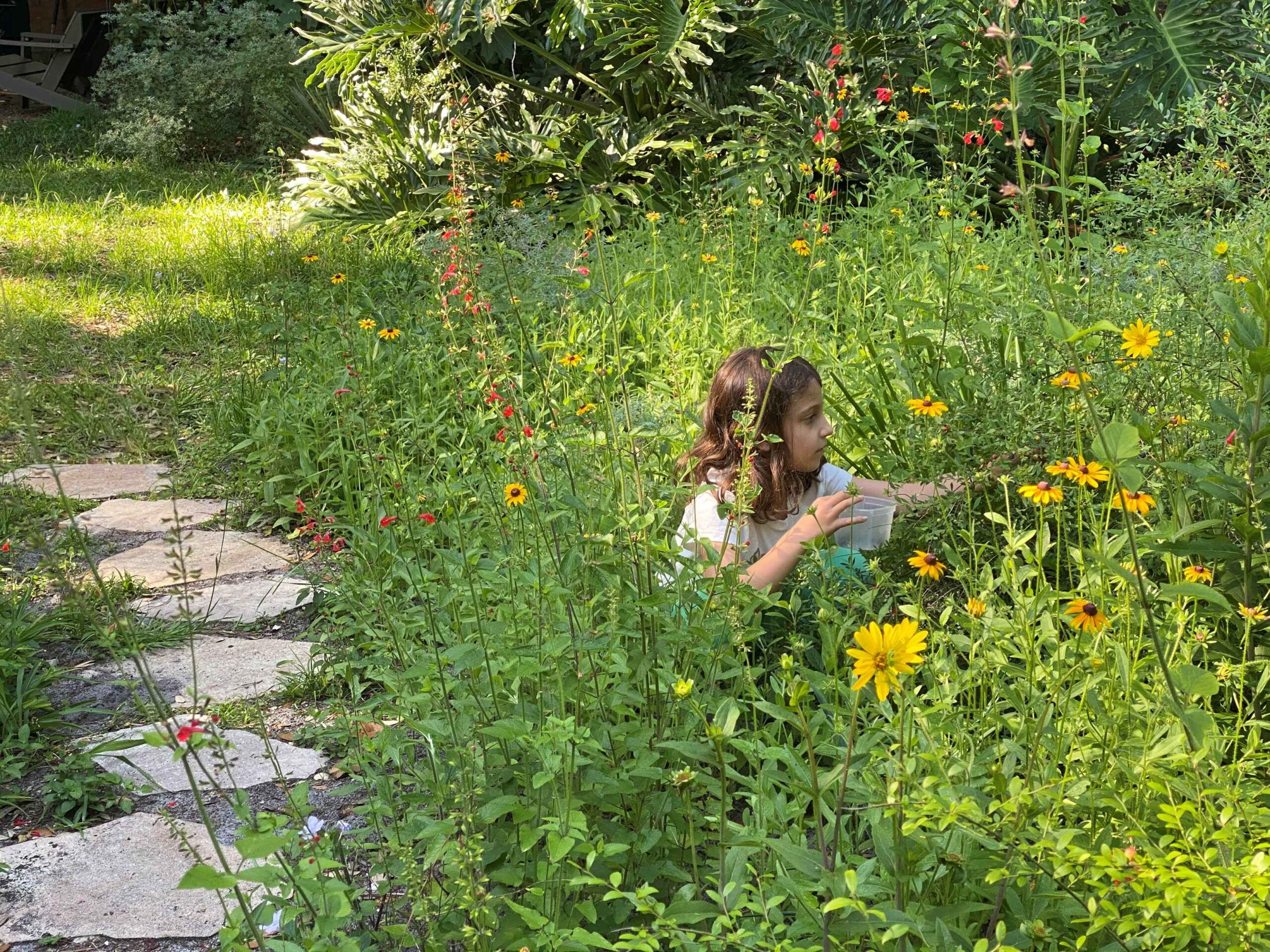
As gardeners across Tampa Bay contemplate replacing their cold-damaged plants or landscaping with new plants amidst the ongoing drought , Johanna Freeman has some advice: go native.
A scientist with the Florida Fish and Wildlife Research Institute in Gainesville specializing in terrestrial ecosystems, Freeman notes that native plants in backyards can imitate the wild places we are losing as the state’s population continues to grow. “A lot of what I do with my work is restoring and managing wild ecosystems,” she said. “Some of it– like the importance of fires– isn’t applicable in a home landscape but there are things you can do, particularly in the areas of supporting pollinators and pollinator habitats.”
The newly formed Florida Native Seed Partnership, spearheaded by the Florida Wildflower Foundation (FWF), is bringing scientists like Freeman together with university researchers, seed farmers, industry leaders and landowners to grow the native seed industry and ensure access to a reliable and affordable source of native seeds and plants.
“The Florida Wildflower Foundation already has a really nice website with a ton of resources that help you choose which native plants work best in your yard for sun or shade, different levels of soil moisture, and what plants are good for pollinators,” she notes. “The partnership is something that different agencies are working on to get more native plants into propagation and available on a larger scale.” A complementary organization, the Florida Association of Native Nurseries, has a website that allows you to search by species to find nearby growers or nurseries.
“You can’t just walk into Home Depot and pick up the prettiest plant you see and expect that it will be native or pollinator-friendly,” she adds. “They’re grown to be pretty for people, not wildlife.”
On the other hand, you’ll have to search out native plants and even then it will be a little bit of an experiment, she says. “If you go to Lowe’s and buy a cultivated plant, that thing has been cultivated to grow anywhere and everywhere, no matter what.”
However, when natives are planted using the key principle of “right plant, right place,” they can be incredibly hardy. “Once they’re established, they’ll come right back after a freeze because they evolved in Florida,” she said. “ They’ll need some babysitting when you first put them in the ground, but then they’ll be drought-tolerant too.”
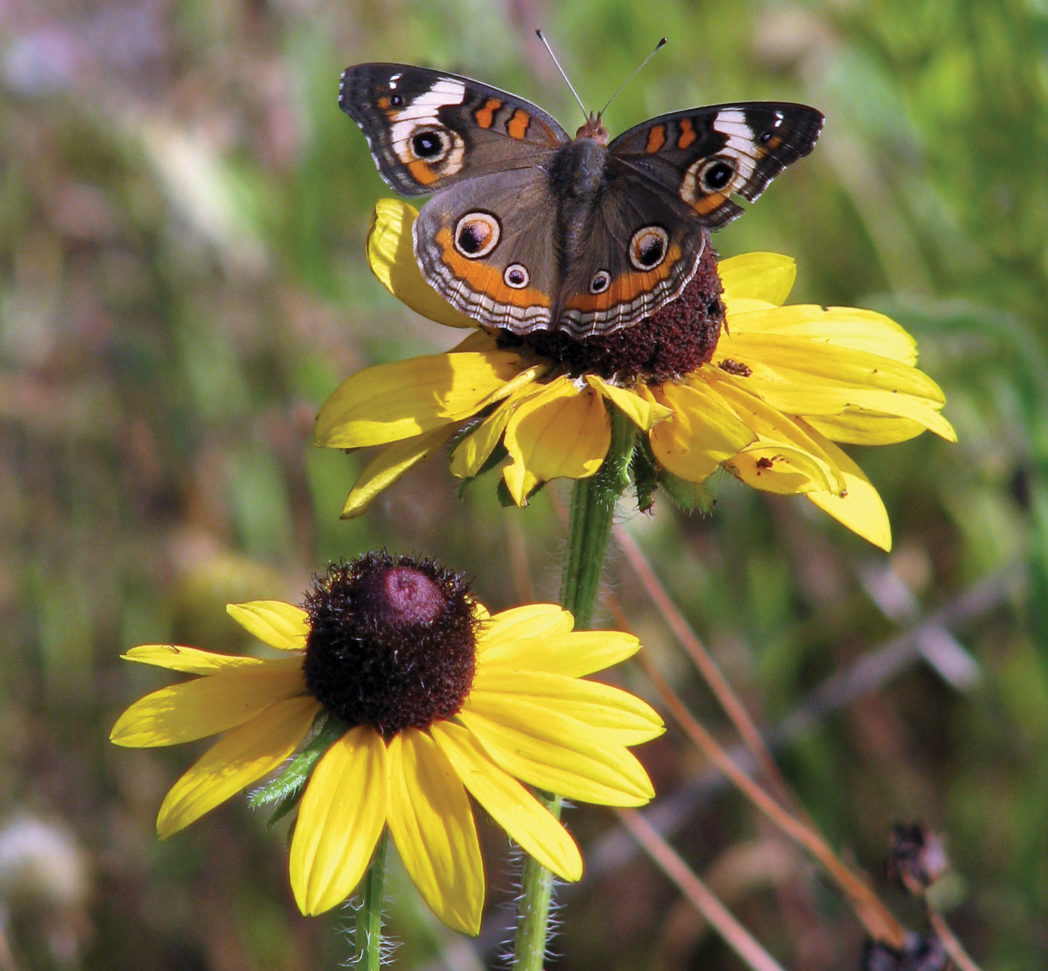
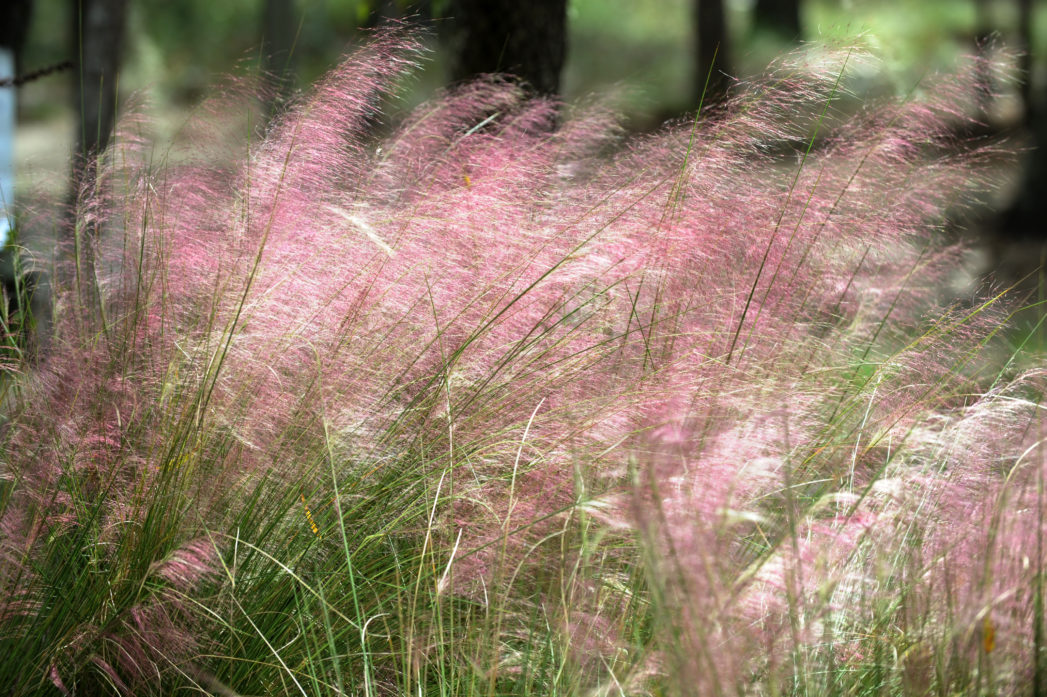
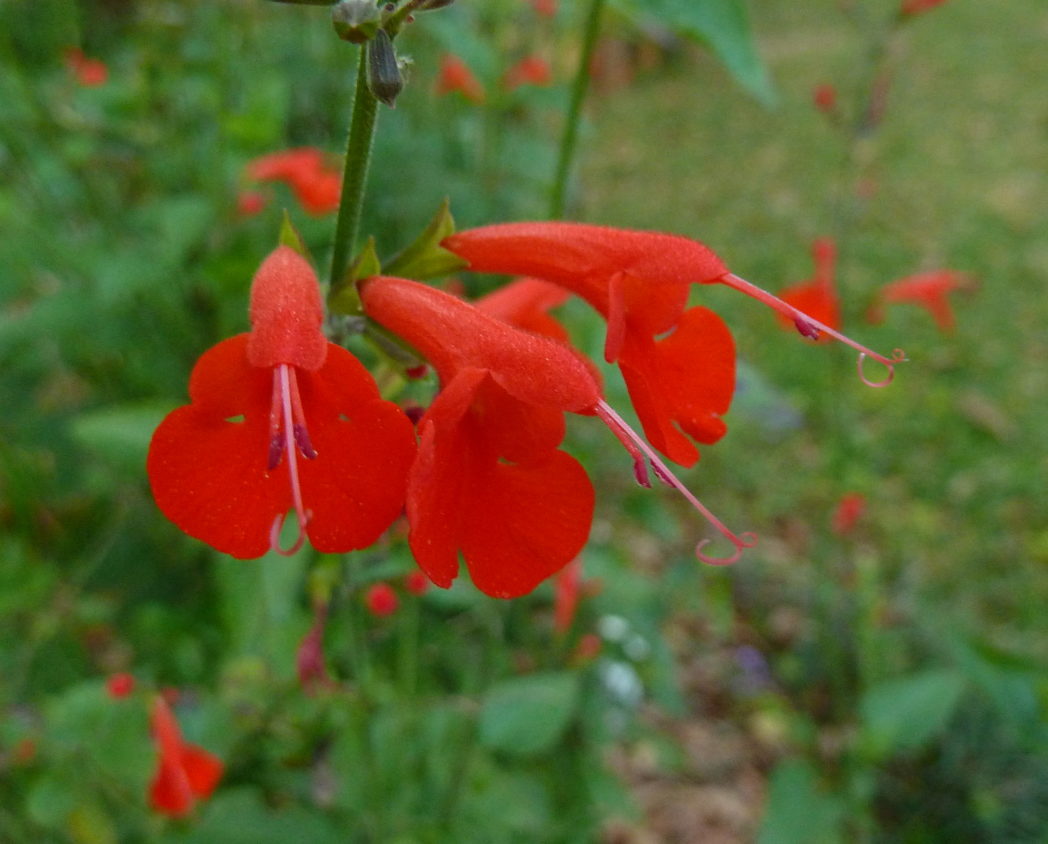
So what does an ecosystem scientist plant in her own backyard? A mix of grasses and wildflowers highlighted with longleaf pine trees. “By grasses, I don’t mean sod, I mean native grasses like Muhly grass, native asters like rudbeckia and coreopsis, and the sage species, particularly the scarlet sage that’s easily available and does really well in my backyard where the bees and hummingbirds love it.”
While planting native requires less maintenance over the long run, it’s not as cut and dry as planting “big box” species that have been bred to grow practically anywhere. “If you’re a person who really likes ecosystems and wildlife, and that’s what you want in your yard, it can be a really fun process of trying out different things,” she said. “Don’t buy a huge amount of anything on your first try; instead, pick out a variety of things and try them so you find out what’s best for your soil and sun conditions and then plant more of that.”
At least at first, native plantings will need ongoing maintenance. “In Florida, the vast majority of our uplands were savannas, so fires would sweep through and clear away dead materials. Native plants and animals adapted to it, but we don’t have that in our yards, and we also have a lot of pressure from weeds. If you want a native yard, it’s going to be a labor of love and really rewarding. But if you’re the person who thinks you’re going to go native and it won’t take any work, it’s not going to work.”
But taking those steps and creating habitat for wildlife, including pollinators, will be critically important moving forward. “I personally feel like we should all be Johnny Appleseed when it comes to native plants because so many of our natural areas are limited,” she said. “If enough people consistently do that, we’ll be able to restore lost biodiversity on a larger scale than we could possibly do it using only public lands.”
By Vicki Parsons, originally published April 30, 2026