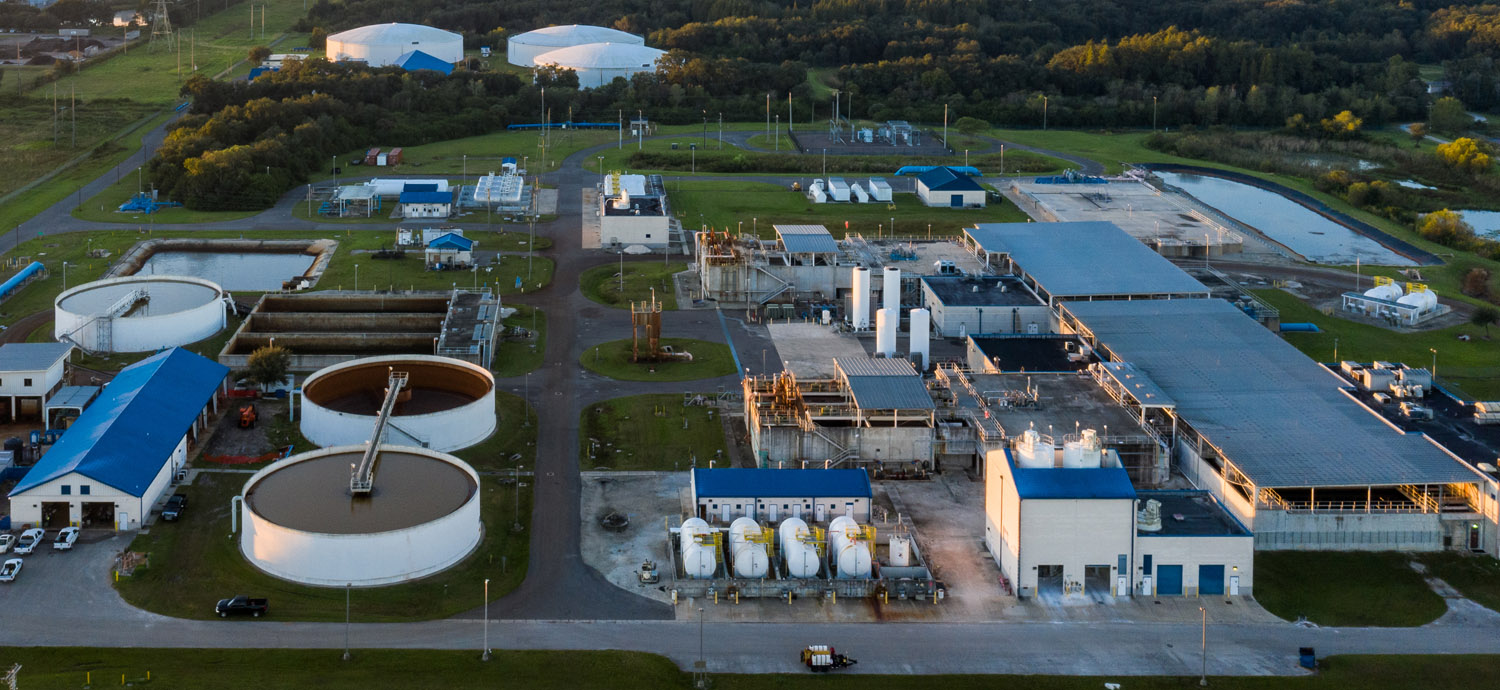
Tampa Bay Water (TBW) is evaluating a series of proposals that would provide water for the anticipated half-million new residents who are expected to move into the region by 2043. An estimated 38 million gallons of water per day (mgd) must be available to meet that demand, with approximately 10 to 20 mgd needed by 2033.
At the top of the list for bay managers is a new reservoir proposed for north Pinellas County that would harvest freshwater from Lake Tarpon Outfall and its tributaries, which drain into Old Tampa Bay, where nutrient pollution is most problematic. That proposal is strongly supported by the Tampa Bay Estuary Program (TBEP) because withdrawing freshwater from Lake Tarpon would also reduce nutrient loading in Old Tampa Bay.
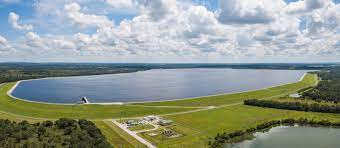
Harvesting water from the Alafia River has been one of the most significant nitrogen reduction projects in the region, according to Maya Burke, TBEP assistant director. Like the Alafia reservoir, water from Lake Tarpon would be withdrawn during periods of high flows, particularly summer rainy seasons, then stored in a reservoir for use during dry periods. Along with determining locations for the reservoir and treatment facility, an important issue will be water quality from the lake.
“There are some water quality challenges that are observed,” said Warren Hogg, TBW’s chief science officer. Like many of the surface waters in the region, Lake Tarpon is considered “impaired” for nutrients, which become a significant source of nutrients when it flows into Old Tampa Bay.
“We need to understand what’s in the lake and outfall canal, so that we can assess if this is a viable project or not, and what type of water quality treatment is required to meet all state and federal water quality standards,” Hogg said. “We’re also looking for contaminants of emerging concern so that we can decide if this is a viable, feasible project.”
In the meantime, TBW has received approval from the Southwest Florida Water Management District to increase its withdrawals from the Alafia River to more than double its current withdrawals, bringing online 10 to 12 million gallons per day in 2028. “This is a cost-effective, environmentally sustainable solution to meeting increasing regional water demands,” Hogg said. “The increase would allow us to reach our maximum withdrawal faster, with no harm to the river or environment.
The Alafia River pump station can already divert up to the proposed new cap of 75 mgd, so the utility won’t need new infrastructure to harvest the additional water, he added.
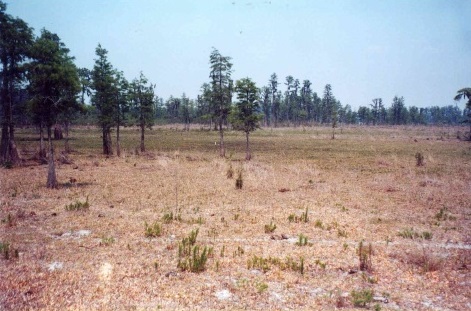
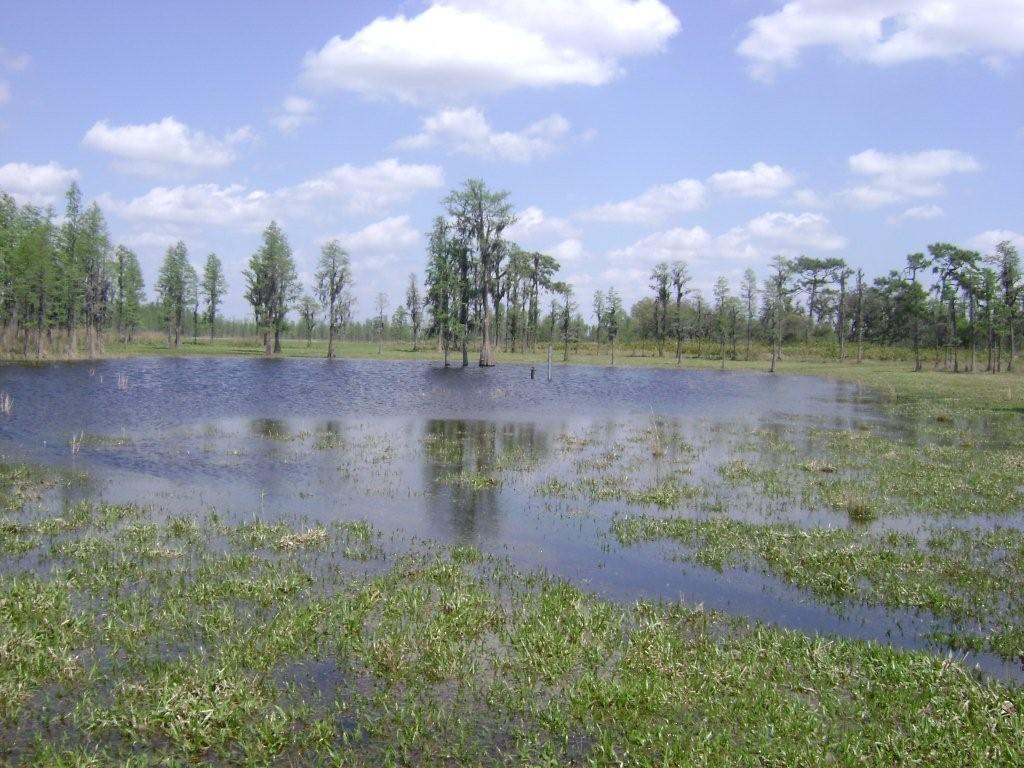
Another proposal under consideration would assess the feasibility of increasing groundwater withdrawals from TBW’s 10 wellfields, spread across 50 acres in northwest Hillsborough and Pasco counties. The wellfields have been in use for decades but overpumping, at up to 158 mgd in the late 1990s, caused severe environmental damage. Wetlands and lakes were restored when TBW’s permitted withdrawals dropped to 90 mgd after new water sources came online.
“We started with drought conditions and now we’re getting complaints about flooding, so the question is on the table: Did we cut back too much? Is there a bit of additional groundwater that we could reclaim without causing any environmental impact? And if there is, it would be a smart move for the region because groundwater is the most economical option,” Hogg said.
Other proposals being considered on the 2043 timeline, against criteria including technical feasibility, environmental impact and affordability, include:
· An east Pasco wellfield that could withdraw up to four million gallons of fresh water per day from the Upper Floridan Aquifer. As part of that feasibility study, TBW will consider brackish water withdrawals for some time after 2033.
· Expanding and retrofitting the desalination plant could provide an additional 10 mgd, as shown in a 2021 feasibility report. A new feasibility study will look at the potential to use brackish water in the current plant, instead of the saltier seawater. The brackish water would be withdrawn from new wells in coastal Hillsborough County.
· A South Hillsborough reservoir and surface water treatment plant could potentially withdraw water from the Little Manatee River and/or Bullfrog Creek in an environmentally sensitive manner. That proposal might become controversial as the lower part of the Little Manatee has been designated an Outstanding Florida Water.
TBW, which updates its long-term plans every five years, expects to finalize the feasibility studies by late 2027. “It takes about 10 years to go through feasibility, design, permitting and then construction to get a new project online,” Hogg said. The (TBW) board will choose from the projects that survive the feasibility study, and once we get their approval, we’ll start the design and permitting process.”
By Vicki Parsons, originally published Nov. 20, 2025