While classes in canning are still a staple at county Extension offices across Florida, the University of Florida’s Institute of Food and Agricultural Sciences (UF/IFAS) now focuses more strongly on natural resources. With offices in each of Florida’s 67 counties including Manatee, Pinellas, Hillsborough, Pasco, Hernando and Citrus in the Tampa Bay region, the programs vary widely depending upon the needs of local residents.
Data from a recent survey of residents across the state found that 85% believe that a “very high effort” or “high effort” is needed to address many of the challenges facing local governments, including protecting water quality. Protecting freshwater resources and air quality were also supported by more than 80% of respondents, and protecting natural habitats and ecosystems were important to nearly 80%.
In the Tampa Bay region, all six Extension offices offer multiple programs to address those issues. “Extension offices are the front line for many of these initiatives,” said Lara Milligan, natural resources agent for Pinellas Extension. “We are the professionals with our boots on the ground, working with residents and key stakeholders to address these critical natural resource issues. Most of our services are free to any resident, and we are constantly adapting to meet needs as they arise, whether that’s adjusting our outreach approach or shifting our focus entirely.”
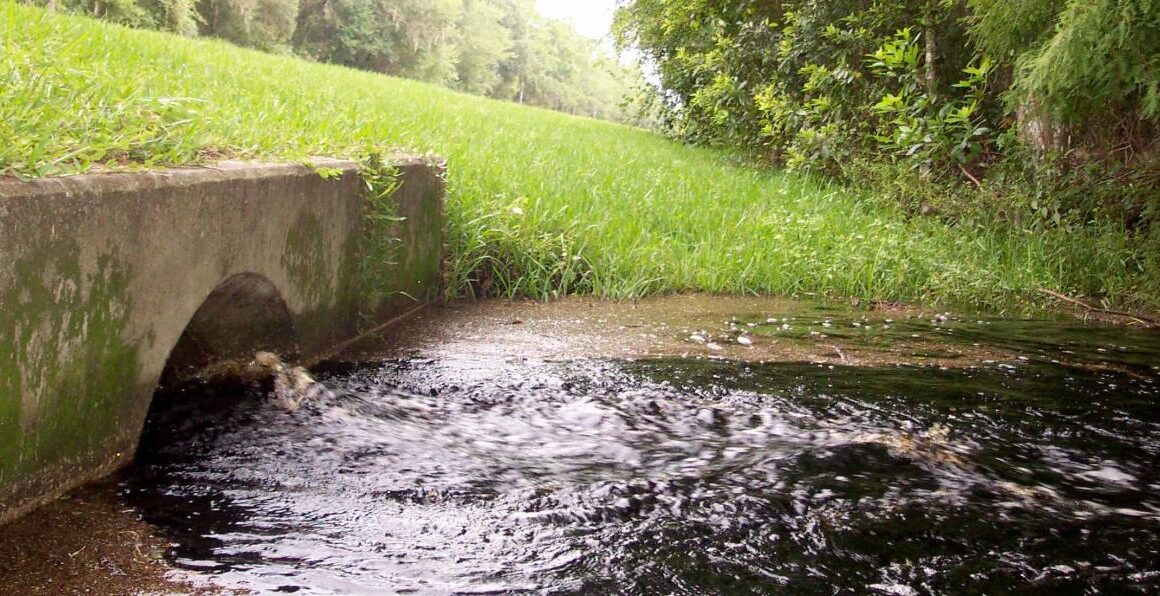
In Tampa Bay, where stormwater is the single most important source of pollution, Extension offers a series of programs that help to address nutrient pollution before it becomes an expensive problem.
“So much of what impacts our surface waters begins in our own backyards,” said Milligan. “Residents who understand the issues are much more likely to make decisions that minimize their impact on stormwater.” For example, 65% of graduates in Milligan’s Florida Waters Stewardship Program, an intensive, three-month learning experience, have taken on a leadership role in their community directly related to improving local water resources.
“As I tell my class, the goal is for participants to see water in a new way – a way that motivates positive action, as informed by current research, best practices, and information and skills acquired through the Florida Waters Stewardship Program.”
Initiatives like Adopt-A-Drain, modeled after a successful program in San Francisco, encourage residents to keep storm drains near their homes clean, removing trash and yard waste before they end up in surface waters. Along with the program Extension established in unincorporated Pinellas, four cities are working to develop similar programs, including St. Petersburg.
“This is another chance for residents to positively impact water quality,” Milligan said. “Last year’s storms really focused people’s attention on the importance of a well-maintained stormwater system. With this program, citizens not only have the opportunity to improve water quality but also to maintain critical infrastructure that reduces localized flooding.”
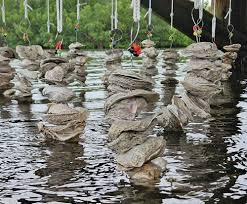
Beyond that initiative, Pinellas and Pasco Extensions teamed up to create a vertical oyster garden (VOG) program that supports community-driven ecosystem restoration and education. “Oysters each filter an average of 50 gallons of water a day,” notes Megan Moore, Sea Grant agent with Pasco Extension. “Together, over 600 volunteers have built over 2,400 VOGs in Pinellas and Pasco counties. Six months after installation, each VOG has an average of 50 oysters filtering up to 500 gallons of water a day each.”
Additionally, each of the Extension offices has ongoing programs that focus on improving landscaping and irrigation practices to reduce water waste and minimize fertilizer and pesticide runoff. “By promoting efficient irrigation, proper fertilizer application and healthy landscapes, Extension helps reduce nutrient loads, which, in turn, lowers the need for costly cleanup efforts required to meet state and federal standards for surface waters,” said Crista Kirby, interim director of Manatee Extension.
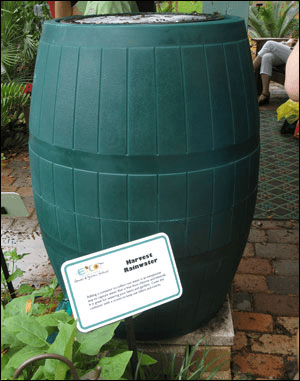
In Hillsborough County, monthly events bring together gardeners to learn about composting, rain barrels, and micro-irrigation, and participants are provided with the necessary tools to take home. Those programs helped local residents save more than a million gallons of water last year, notes Stephen Gran, director of Hillsborough Extension.
And while many new programs focus on natural resources, Extension continues to offer classes in chronic disease prevention and management, food safety and entrepreneurship, and personal finance, which have been its mainstay for decades. More than 80% of Florida residents surveyed by UF/IFAS report that “ensuring safe food handling practices to prevent foodborne illnesses” is a high priority, along with strengthening the local food systems, addressing hunger issues and ensuring that individuals have access to affordable healthy food.
“No other local organization offers free classes on these topics,” said Joshua Payne, the registered dietitian nutritionist who teaches those classes in Hillsborough County. “Extension clearly fills important needs on a wide variety of topics that aren’t being addressed otherwise.”
Across the board, 94% of residents surveyed by UF/IFAS Extension report that they have gained important knowledge or were able to improve their quality of life through Extension’s multiple programs. “Extension classes provide information that benefits residents in their own lives, but also impact everyone in Florida with programs that help participants positively impact natural resources,” Milligan said.
By Vicki Parsons, originally published Nov. 11, 2025