1757: Don Francisco Maria Celi surveys the island before sailing up the Hillsborough River.
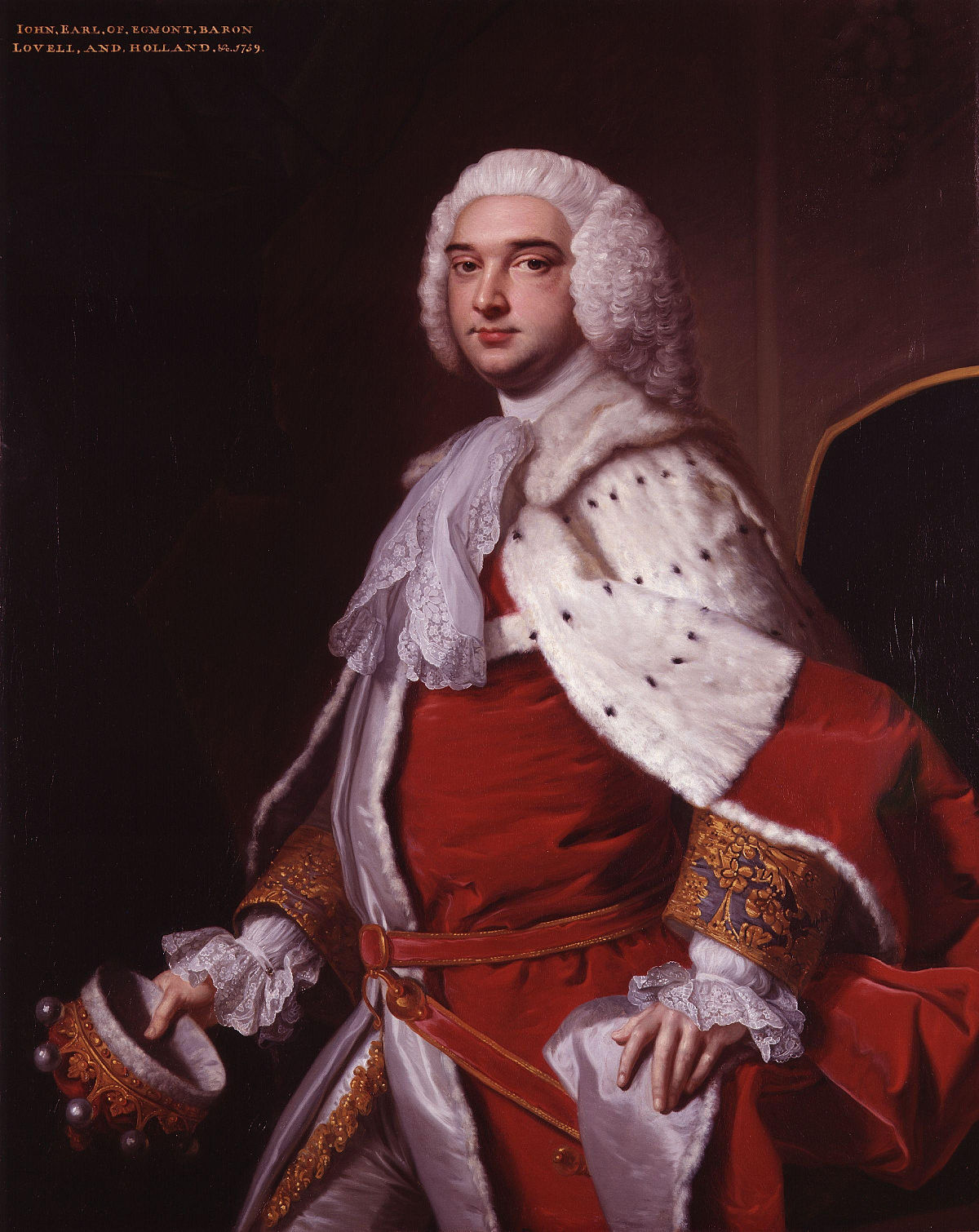
1763: Egmont is named in honor of John Perceval, the second earl of Egmont.
1848: The first lighthouse on Egmont is completed at a cost of $6,250 and becomes the only lighthouse between the panhandle and Key West.
1849: The predecessor organization to the Army Corps of Engineers visits Egmont and recommends that the island become part of a “New System of Coastal Defense.”
1858: Remnants of the Seminole Tribe were sequestered at Egmont, the first step in the Trail of Tears that eventually ended in Oklahoma. A small group of women and children lived on the island for several years, awaiting removal.
1861: The Union Army establishes a base on Egmont to prevent blockade runners from providing food and arms to Confederates.
1898: Fort Dade is built on Egmont to protect Tampa Bay during the Spanish-American War.
1926: The Tampa Bay Pilots Association sets up operations on the island where pilots can board ships entering the shipping channel.
1974: Egmont is protected from development when it becomes a National Wildlife Refuge.