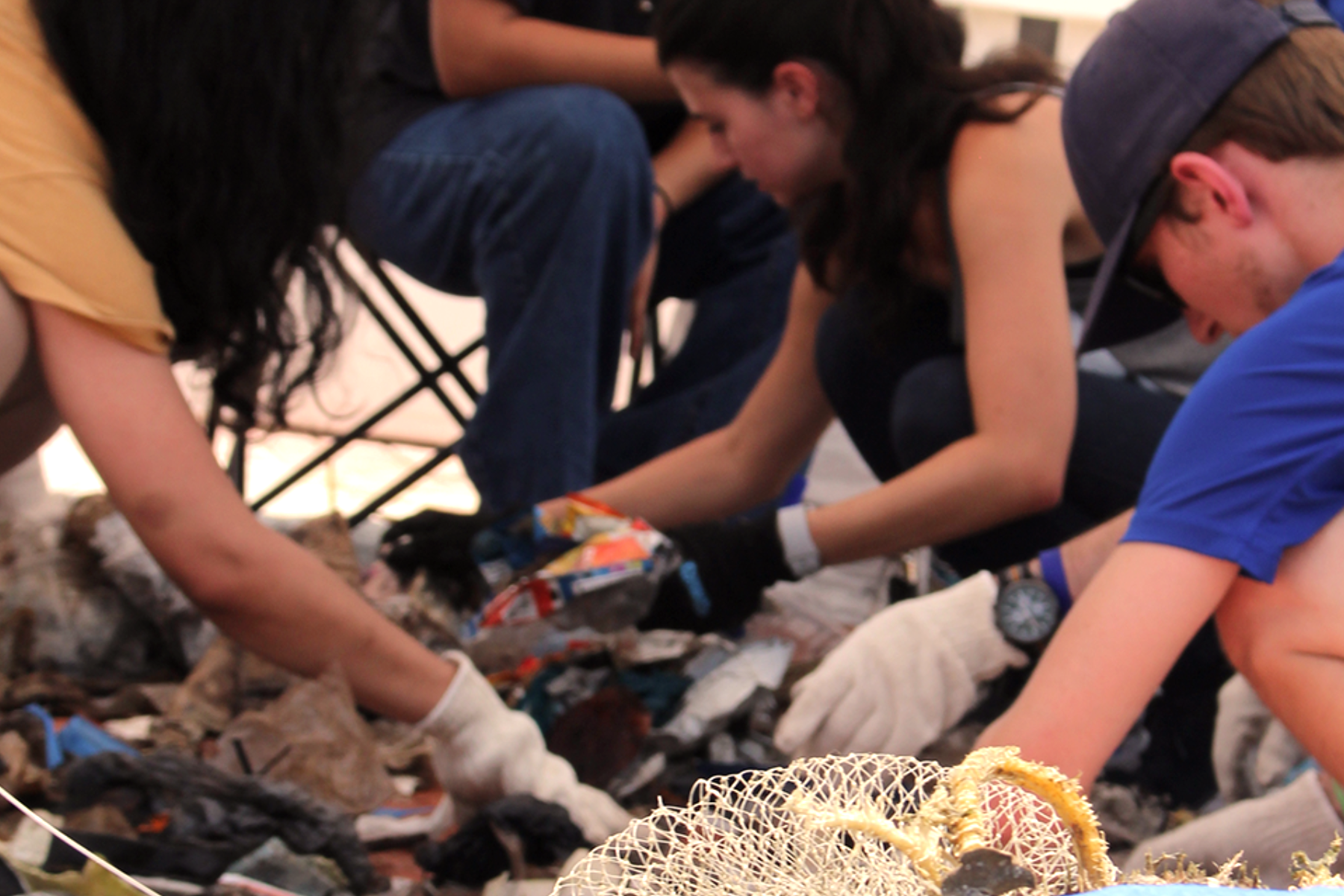
Veronica Morejon never intended to create Breach the Surface, an initiative that supports science teachers in public schools. “I was doing a research project on microplastic pollution at the St. Petersburg College STEM Center and ended up getting a mini-grant from the Tampa Bay Estuary Program to do outreach on their harmful effects,” Morejon said.
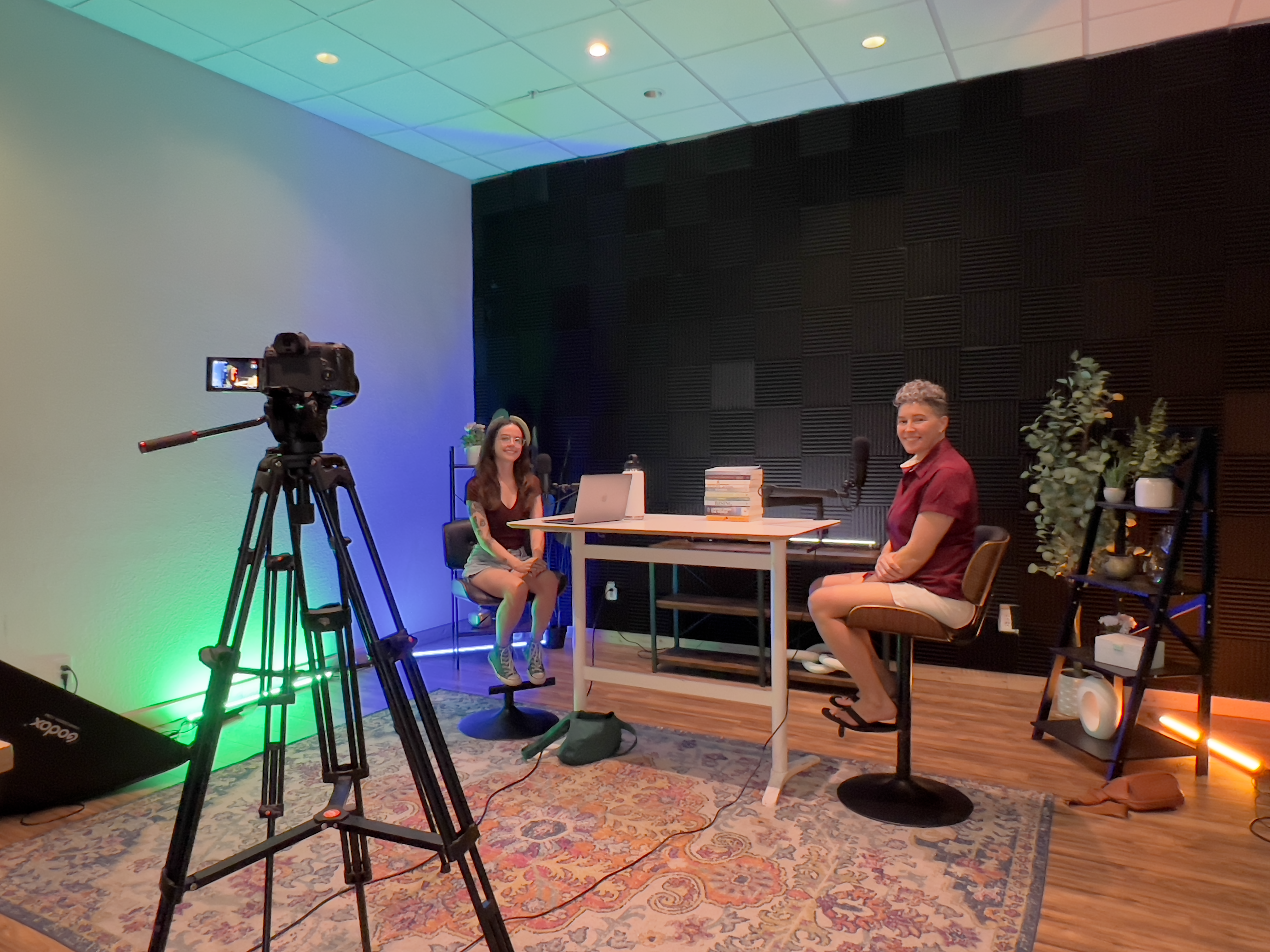
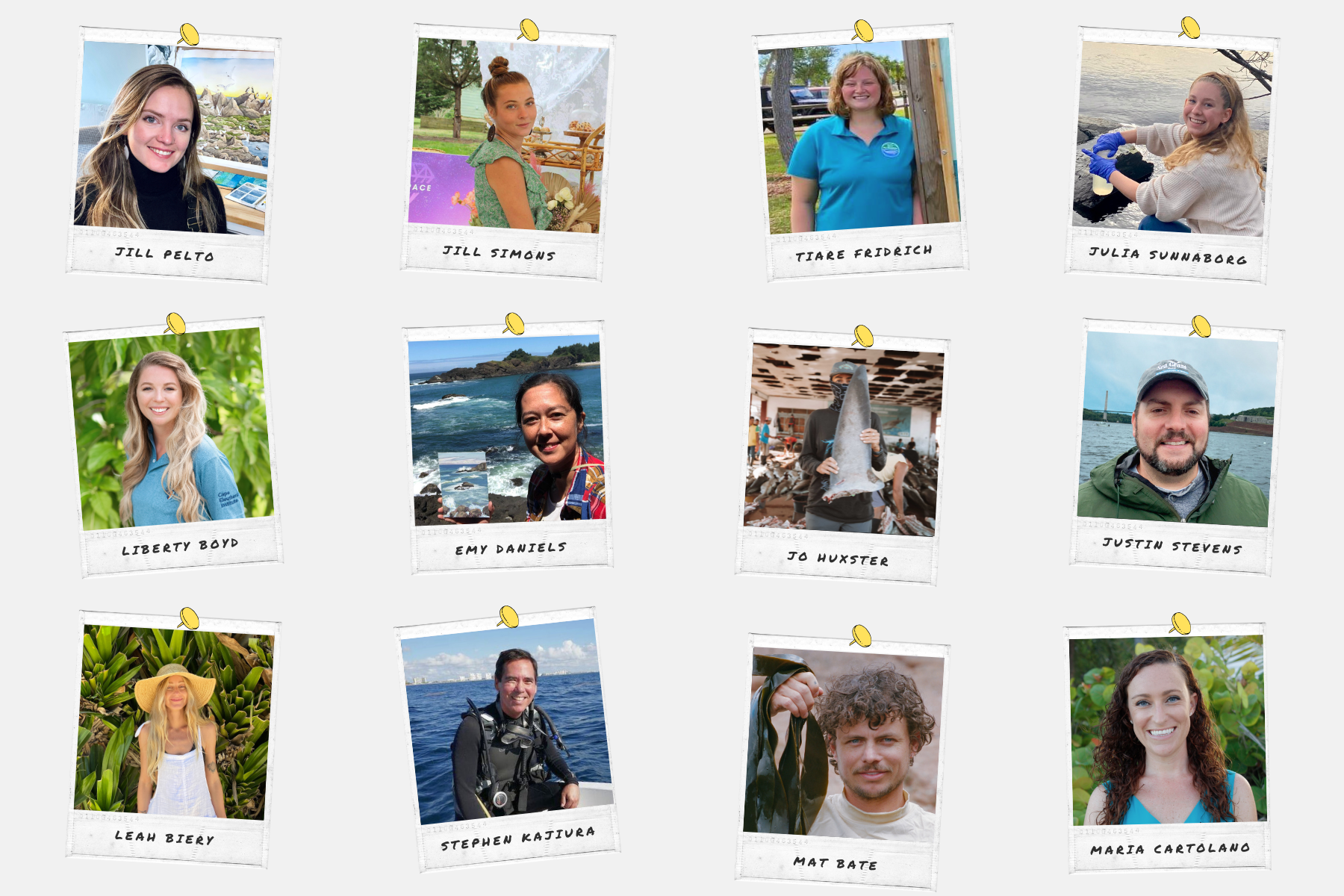
But that was the beginning of Covid-19 and there wasn’t an easy way to do traditional in-person outreach, so Morejon turned to podcasting instead. In the last four years, that podcast has expanded into a full-fledged not-for-profit focused on enhancing ocean education in public schools, starting in Hillsborough but looking to expand statewide over the next five years. Ocean Class, a pilot program being tested in Hillsborough County schools, makes its debut next month, and Shellphone, a series of podcasts featuring experts from across the country, is online and growing monthly.
“The general public’s knowledge of ocean-related issues is alarmingly low both nationally and internationally,” Morejon said. “A 2005 study, Environmental Literacy in America, estimated that less than 2% of all American adults are environmentally literate, highlighting the need for improvements in the education system. A 2018 study, Development of the International Ocean Literacy Survey, found that the American public is more literate about video games and gambling than our world’s oceans – that’s scary!”
A native of Apollo Beach and a 2019 graduate of H.B. Plant High School, Morejon was familiar with the marine science curricula in Hillsborough County public schools. “I knew where the shortcomings were, so we could go to the science directors in Pinellas and Hillsborough counties and ask how we could help.”
Since Hillsborough had recently updated its marine science curriculum, Morejon worked with teachers to build on the new material. “The hope is to receive critical feedback that will shape Breach’s ongoing efforts to increase access to marine science education across the state,” she said. “Though all 29 Hillsborough County public high schools offer some marine science classes, fewer than half offer any more than one. We also know that no school offers any more than two courses; although there are a total of five potential marine courses that could be offered at any given school,” she adds.
Ocean Class programs will tie back to Hillsborough County’s new curriculum, expanding upon topics like kelp forests and deep-sea coral reefs that local science directors have identified as priorities. Kelp forests, for example, aren’t going to be found in Florida waters, but they’re an easy way to teach students about ocean-based food webs and animal interactions because they’re relatively organized ecosystems.
“Our schools need new programs that fill these gaps by engaging youth, educational institutions, and the general public in ocean education that directs their attention to critical issues facing our oceans,” she said. Another important advantage to Breach’s programming is its availability across multiple online platforms, from standard podcasts to webinars and across social media. “If we don’t reach students where they are, we’re not going to have the impact we want to see,” she said.
Morejon also hopes that the programming reaches beyond the public schools offering formal marine science classes. “As a society, we mistakenly believe that everyone in a place like Florida has equal opportunities to engage with or understand the ocean. The reality is that a range of systemic barriers actually exist in terms of public school funding, as well as language and geographic barriers, and this needs to be addressed.”
Even in a region like Tampa Bay with hundreds of miles of coastlines, some students haven’t been exposed to the ocean or beaches. “Our team was able to fund a field trip for Broward Elementary School to Tampa Bay Watch’s Discovery Center and we learned how little exposure they had to our oceans and the bay. We have amazing partners like that with the Discovery Center and we’re looking forward to taking our digital programs one step further.”
Tackling the challenges facing oceans will require an “all-hands-on-deck” commitment, she adds. “We need all our schools and students to have the knowledge they need to address concerns like climate change, pollution, overfishing and habitat destruction.”
By Vicki Parsons, originally published May 10, 2025